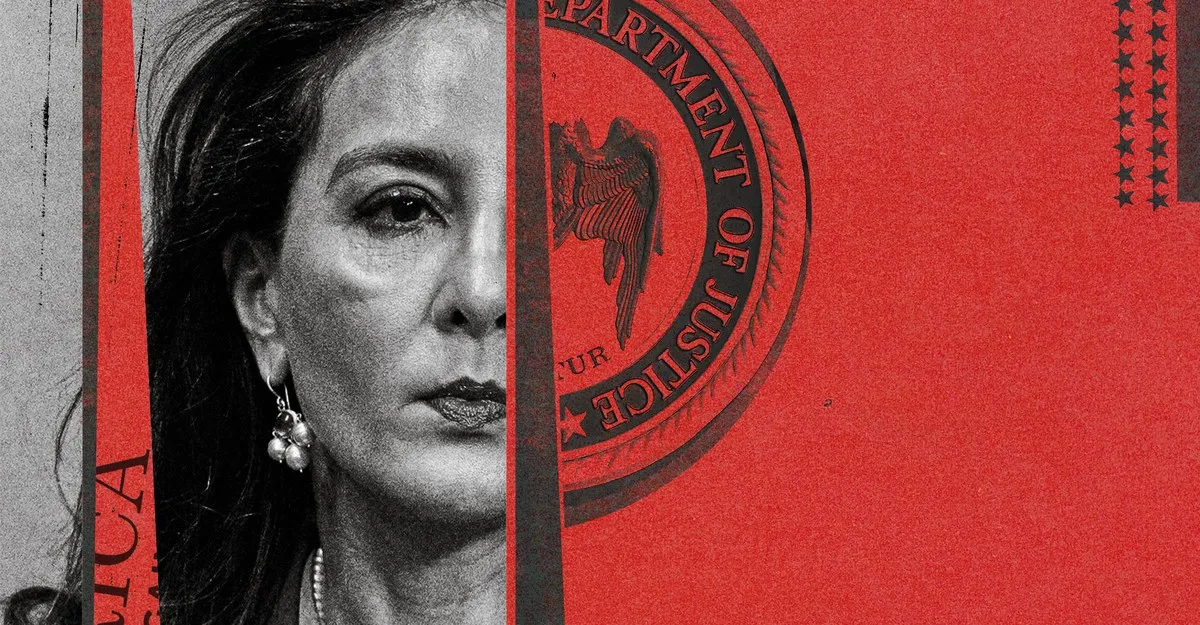
The Civil Rights Division has historically been responsible for protecting and defending people in positions of powerlessness. However, under the leadership of Harmeet Dhillon, the division has seen a dramatic shift in both its personnel and its priorities. Dhillon, who serves as the Assistant Attorney General for Civil Rights, has been at the center of a contentious debate regarding the direction of civil rights enforcement in the United States.
Since her appointment during the Trump administration, Dhillon has faced criticism for her approach to reshaping the Civil Rights Division. Reports indicate that nearly 400 of the 700 staff members had left the division by January 2025, with a staggering 76 percent of employees in leadership roles having departed. This mass exodus raises questions about the division’s ability to effectively enforce civil rights laws, a responsibility that has historically been paramount to its mission.
Dhillon has articulated a vision for the division that emphasizes a departure from what she terms “woke ideology.” She stated, “The job here is to enforce the federal civil-rights laws, not woke ideology,” reflecting a broader trend within the Trump administration to redefine civil rights in a manner that aligns with conservative values. This perspective has resonated with some, who view it as a necessary reformation, while others see it as a dangerous undermining of the division’s foundational goals.
One of the more controversial actions taken by Dhillon was the termination of a settlement aimed at improving sanitation in Lowndes County, Alabama. This decision has been met with backlash from civil rights advocates who argue that such measures are essential for protecting vulnerable communities. Dhillon’s leadership style has been characterized by a willingness to make bold moves that she believes will permanently change the Civil Rights Division, as she remarked, “Nobody had that vision of, like, We’re going to brutally change this place to how it should be.”
In a recent development, the Department of Justice opened an investigation into an alleged assault against journalist Savanah Hernandez during a protest. This incident has further intensified discussions around the division’s role in protecting civil liberties. Three individuals were arrested for the assault, and a fourth was taken into custody for obstruction with force against a deputy officer. Dhillon’s retweet of a post confirming the FBI’s involvement in the investigation indicates her support for accountability in such matters.
As the landscape of civil rights enforcement continues to evolve under Dhillon’s leadership, observers are left to ponder the long-term implications of her policies. The significant turnover within the Civil Rights Division suggests a potential weakening of its capacity to advocate for those in need. With the division’s future uncertain, many are watching closely to see how Dhillon’s vision will unfold and what it will mean for civil rights in America.
Looking ahead, the ongoing investigations and controversies surrounding Dhillon’s leadership are likely to shape the narrative of the Civil Rights Division in the coming months. As the division grapples with its identity and mission, the outcomes of these developments will be critical in determining its effectiveness and credibility in enforcing civil rights laws across the nation.