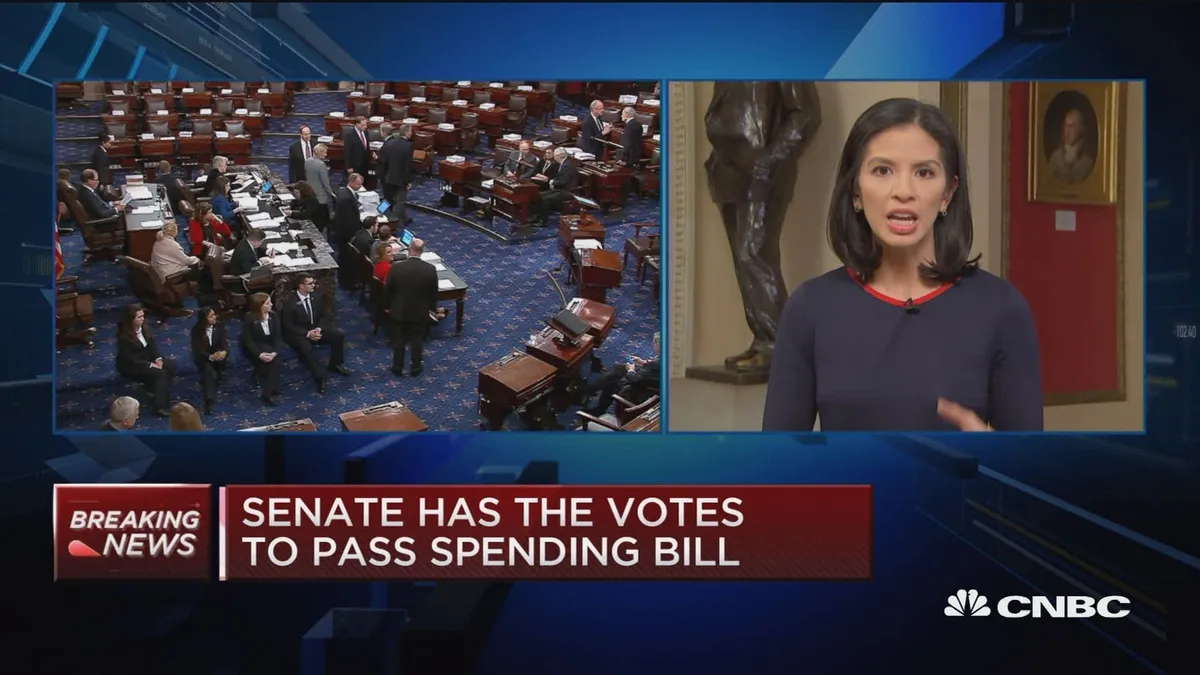
The shutdown ended with a bill that funds most of the Department of Homeland Security, marking the longest partial government shutdown in U.S. history. After lasting for 76 days, the standoff concluded when Trump signed a House-passed bill on April 30, 2026.
The impasse began on February 14, 2026, triggered by Democrats protesting ICE conduct. Yet no official changes to ICE operations occurred during this period. Initially, House Republicans rejected a Senate plan that excluded funding for ICE and Border Patrol.
After intense negotiations, the House finally passed the funding bill just ahead of a 12-day break requested by the White House. House Speaker Mike Johnson emphasized that despite a historically small majority, they continue to deliver for the American people.
Key impacts of the funding bill:
- The Coast Guard received essential funds after accruing over $300 million in unpaid obligations.
- Thousands of Coast Guard personnel faced financial struggles due to delayed paychecks during the shutdown.
- The Coast Guard had overdue utility bills totaling $5.2 million, exacerbating their operational crisis.
Adm. Kevin Lunday highlighted the dire situation: “The reality today is the Coast Guard is operating in a crisis.” He further stated, “This is needlessly harming our people and hollowing out our readiness.” The consequences of this shutdown will linger—especially for those directly impacted by these financial strains.