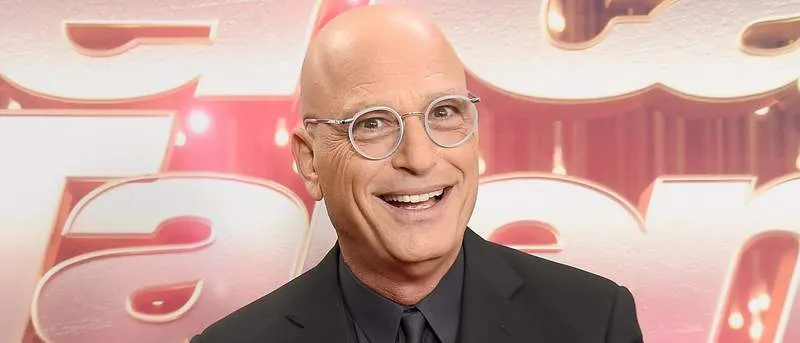
What does a seemingly innocent compliment reveal about societal attitudes towards aging? This question emerged following a recent live television exchange between Howie Mandel and Kelly Ripa on the show Live with Kelly and Mark. During the segment, Ripa complimented Mandel on his appearance as he celebrated his 70th birthday, but Mandel’s response turned the moment into a discussion about ageism.
Mandel, known for his candidness, referred to Ripa’s compliment as a “caveat compliment,” arguing that it implied a lesser standard for older individuals. He likened her praise to saying, “you’re smart for a stupid person,” highlighting the underlying ageist assumptions that often accompany compliments about looks.
The exchange was marked by Mandel wagging his finger at Ripa, a gesture that underscored the tension in the moment. Ripa, who is 55, insisted that her compliment was genuine and without any age qualifiers, stating, “We’re saying you look great and I don’t believe you’re 70!”
Viewers had mixed reactions to Mandel’s critique. Some praised him for calling out the subtle ageism embedded in compliments, while others felt the moment was awkward and unnecessary. Mandel ultimately attempted to defuse the tension with humor, declaring, “Honestly now, I’ll be serious for a minute. I’m gorgeous!”
This incident has sparked broader discussions about how society perceives aging celebrities and the language used to describe them. Mandel’s critique serves as a reminder of the societal norms that often dictate how we talk about age and beauty.
As the conversation around ageism continues to evolve, it remains to be seen how public figures will navigate these sensitive topics in the future. The awkward moment between Mandel and Ripa may be just one example of a larger cultural dialogue about aging and the compliments we give.
Details remain unconfirmed regarding the long-term impact of this exchange on public perceptions of age and beauty standards in the entertainment industry.