Introduction
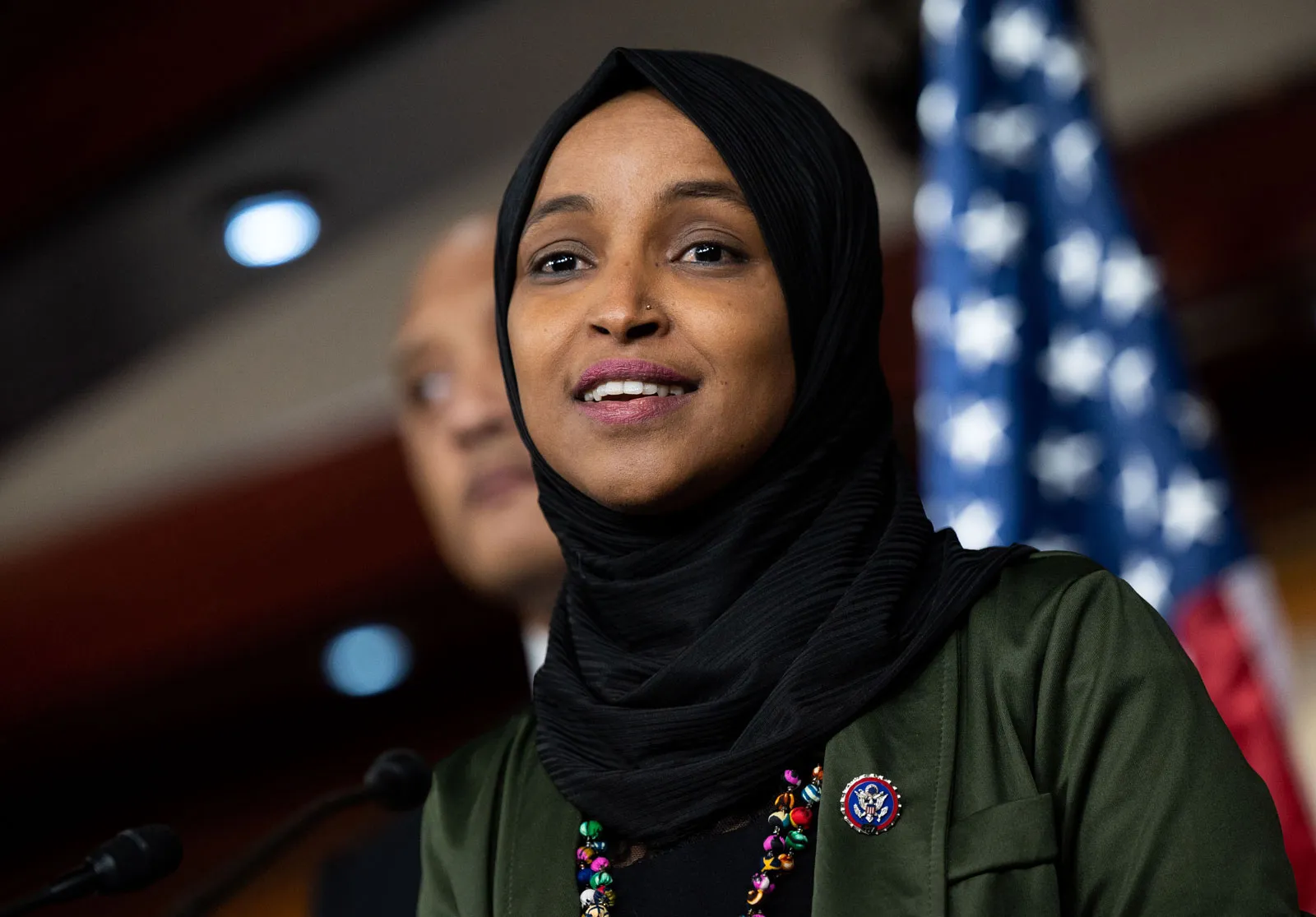
Ilhan Omar, the U.S. Representative for Minnesota’s 5th congressional district, has made headlines both for her progressive policies and her controversial statements. Serving since 2019, Omar is the first Somali-American and one of the first two Muslim women elected to Congress. Her role is significant not just in representing her constituents but also in shaping national discourse around immigration, healthcare, and social justice.
Recent Developments
In recent months, Omar has faced a wave of challenges. In September 2023, she was in the spotlight for supporting a resolution aimed at preventing foreign influence in U.S. elections. This move came amid increasing concerns regarding cybersecurity threats and disinformation campaigns that have emerged in the wake of the 2020 presidential elections. Additionally, she has been actively vocal against the rise of far-right extremism, emphasizing the need for unity and resilience within the fabric of American society.
Omar’s advocacy for progressive reforms has led her to co-sponsor various bills that focus on healthcare improvements and social equity. Most notably, her push for Medicare for All seeks to reform the healthcare system significantly, which has gained substantial traction among her fellow progressive Democrats. This aligns with her broader commitment to ensuring that all Americans have access to essential services regardless of their financial situations.
Public Sentiment and Controversies
However, Omar’s tenure has not been without controversy. Various remarks she made in the past have been scrutinised and have led to accusations of anti-Semitism, prompting criticism from both sides of the political aisle. These controversies can overshadow her policy achievements, leading to discussions about the balance between free speech and accountability in public office.
Moreover, her firm stance on issues such as Palestinian rights and her criticisms of U.S. foreign policy have positioned her at odds with more traditional Democratic leadership. This tension is indicative of a larger shift within the party, as younger, more progressive members challenge long-standing norms.
Conclusion
The significance of Ilhan Omar in the contemporary political landscape cannot be overstated. As a trailblazer for diversity and representation in Congress, she embodies the changing dynamics of American politics. Looking ahead, her influence is likely to grow, particularly as the country navigates complex issues surrounding immigration, healthcare, and civil rights. Omar’s journey highlights both the triumphs and tribulations of being a pioneering voice in a deeply divided political climate, making her a pivotal figure to watch in the coming years.