In a striking display of political resilience, six incumbents overcame challengers in Indiana’s congressional primaries on May 5, 2026. This outcome underscores the significant influence of endorsements and party loyalty within the state’s electoral landscape.
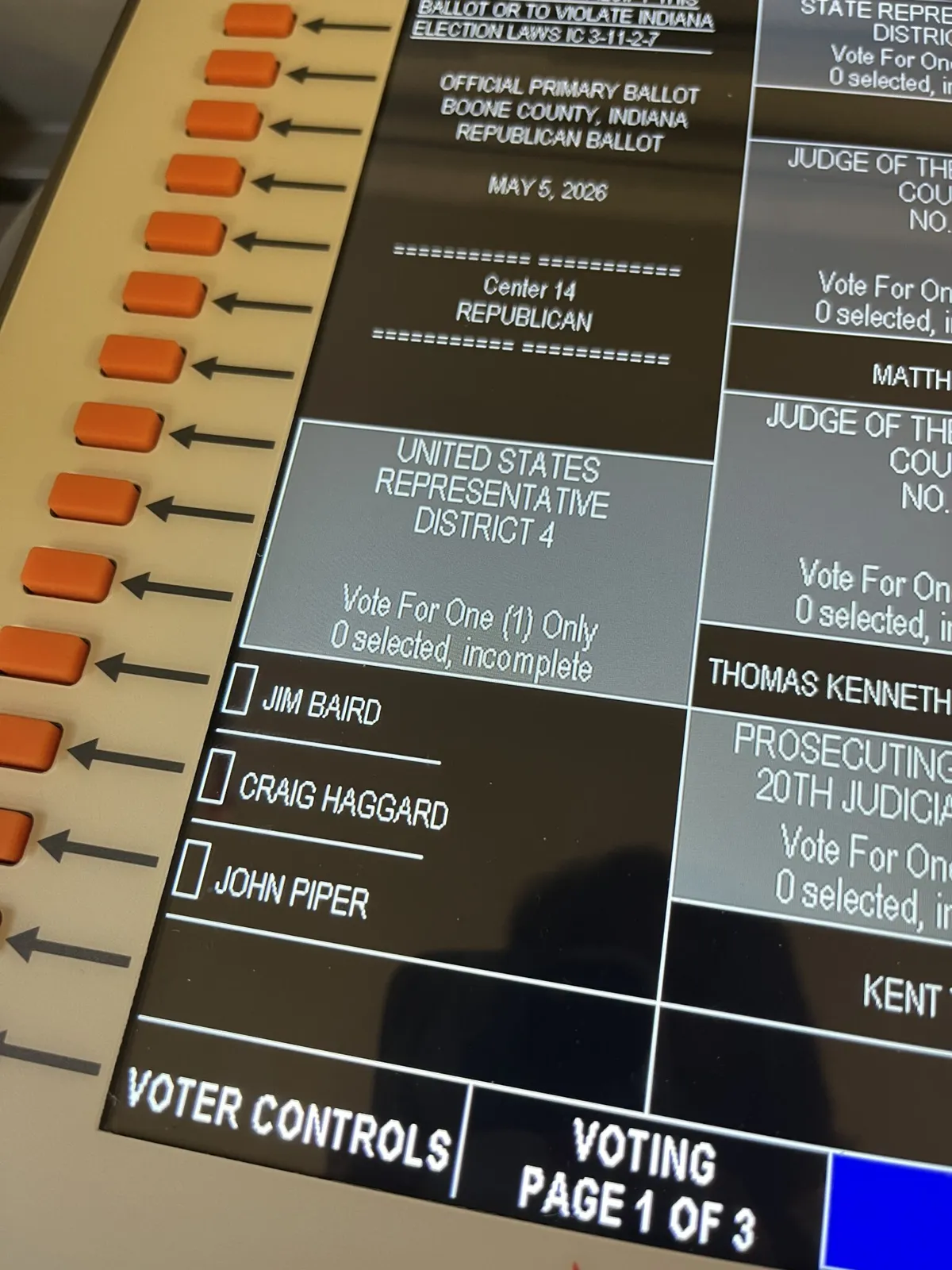
The results reflect a complex interplay of factors. Endorsements—especially from prominent figures—played a crucial role in swaying voters. For instance, Rep. Jim Baird triumphed with a commanding 60% of the votes against Craig Haggard in the 4th Congressional District.
Other incumbents also demonstrated their electoral strength. Rep. Frank Mrvan secured the Democratic primary in the 1st Congressional District, while Rep. André Carson garnered over 63% of the votes in his district. These victories signal that established names still hold sway among their constituents.
Moreover, Rep. Victoria Spartz won her primary against Scott King by nearly 20 percentage points—a testament to her solid support base. In another notable race, Cynthia Wirth won the Democratic nomination in the 6th Congressional District after a tough previous election where she lost by 30 percentage points to Jefferson Shreve.
Voter turnout played a pivotal role as well, reflecting engagement levels across party lines. Democratic state Sen. J.D. Ford received approximately 42% of the votes in his district, showcasing both challenges and potential for future elections.
This year’s primaries illustrate not just individual successes but also broader trends within Indiana’s political ecosystem—especially post-redistricting changes that have reshaped voter demographics and preferences.
Looking ahead, uncertainties linger around how these outcomes will influence the November general election. Will incumbents maintain this momentum? Or will challengers find new strategies to sway public opinion?