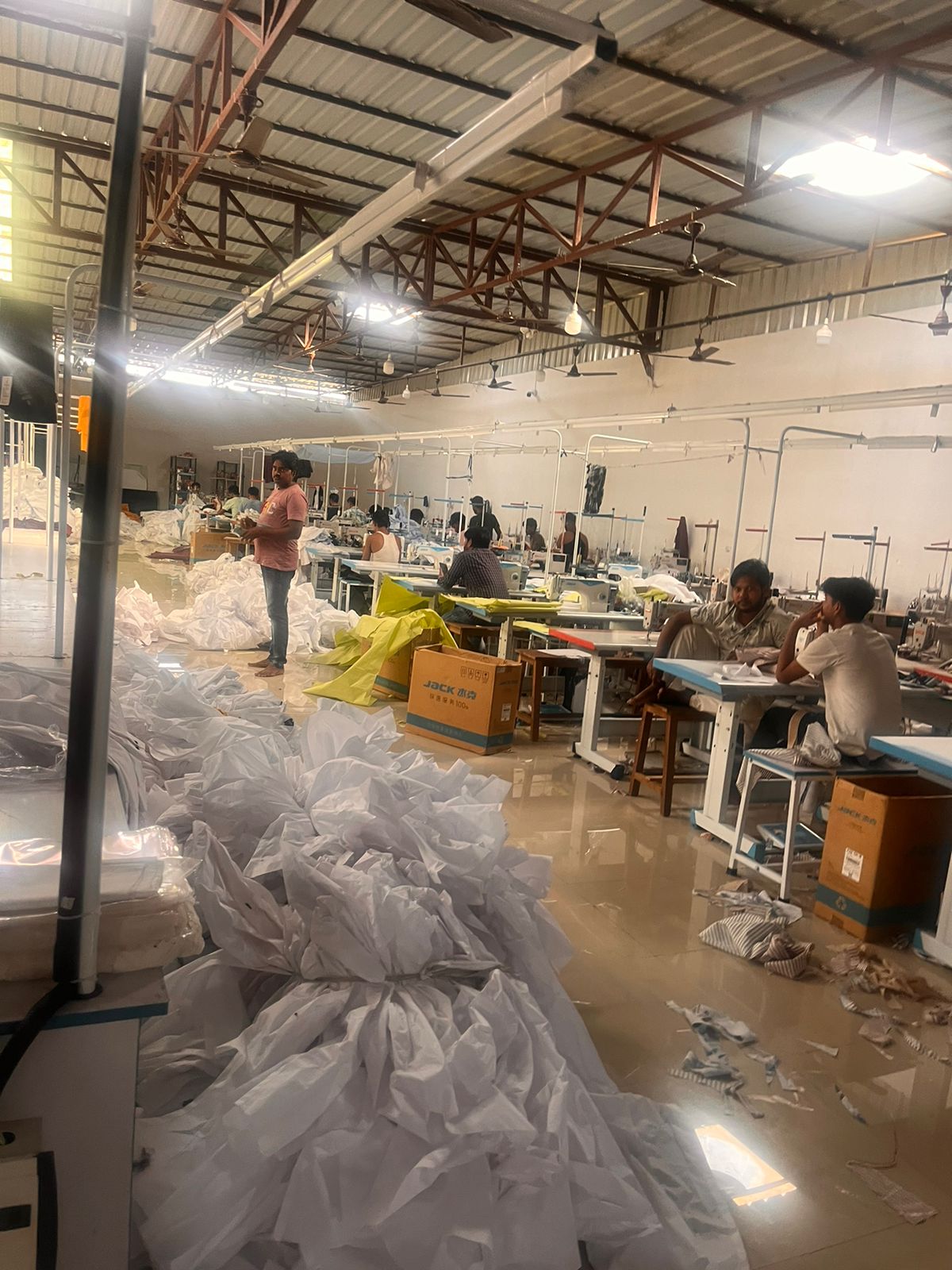
Introduction
With the rapid advancement of technology and the need for efficiency in production, understanding what goes on inside the factory has become crucial for both consumers and industry stakeholders. The modern factory not only contributes to the economy by providing jobs but also showcases the integration of innovative technologies that drive productivity.
The Modern Factory Setup
Modern factories have evolved significantly from traditional manufacturing setups. Today’s facilities are often equipped with automation technology, including robotics and artificial intelligence, which optimise production processes. In a recent report from the UK Manufacturing Council, it was noted that nearly 60% of manufacturers have integrated some level of automation to enhance productivity and reduce operational costs.
Factories now follow lean manufacturing principles to minimise waste and improve efficiency. Companies like BMW and Siemens are leading the way in this domain, demonstrating how streamlined processes can enhance output while conserving resources. For example, BMW’s plant in Oxford has implemented a Just-in-Time (JIT) production method that drastically reduces inventory costs and waste.
Impact on Employment and Economy
Despite fears that automation might lead to job losses, evidence suggests that factories increasingly require a skilled workforce to operate complex machinery and oversee production lines. A report by the Confederation of British Industry (CBI) highlighted that the manufacturing sector employed over 2.5 million people in the UK as of 2023, showcasing the sector’s resilience and its role in job creation.
Future Outlook
As factories continue to innovate, the importance of safety, sustainability, and workforce training becomes paramount. The UK government has introduced initiatives to support the upskilling of workers in the manufacturing sector in light of impending technological changes. Additionally, the shift towards sustainable manufacturing practices, with an emphasis on eco-friendly materials and processes, is expected to be a significant trend in the coming years.
Conclusion
Understanding what happens inside the factory is vital for comprehending the broader implications of manufacturing on the UK economy and job market. As technology continues to reshape the landscape, readers should stay informed about how these changes could affect future employment opportunities and economic health. By keeping abreast of developments within the manufacturing sector, individuals can better prepare for the evolving nature of work in this critical industry.