What observers say
“We risk entering into a new chapter,” warned Mohamad Elmasry, reflecting the heightened tensions following a series of aggressive military actions between Iran and Israel.
The backdrop to this alarming statement is a significant escalation in hostilities, marked by Israel and the United States launching a new wave of attacks against Iran. In response, Iran has pledged to strike power plants in Israel and other nations if its own power infrastructure is targeted. This tit-for-tat dynamic has raised fears of a broader conflict.
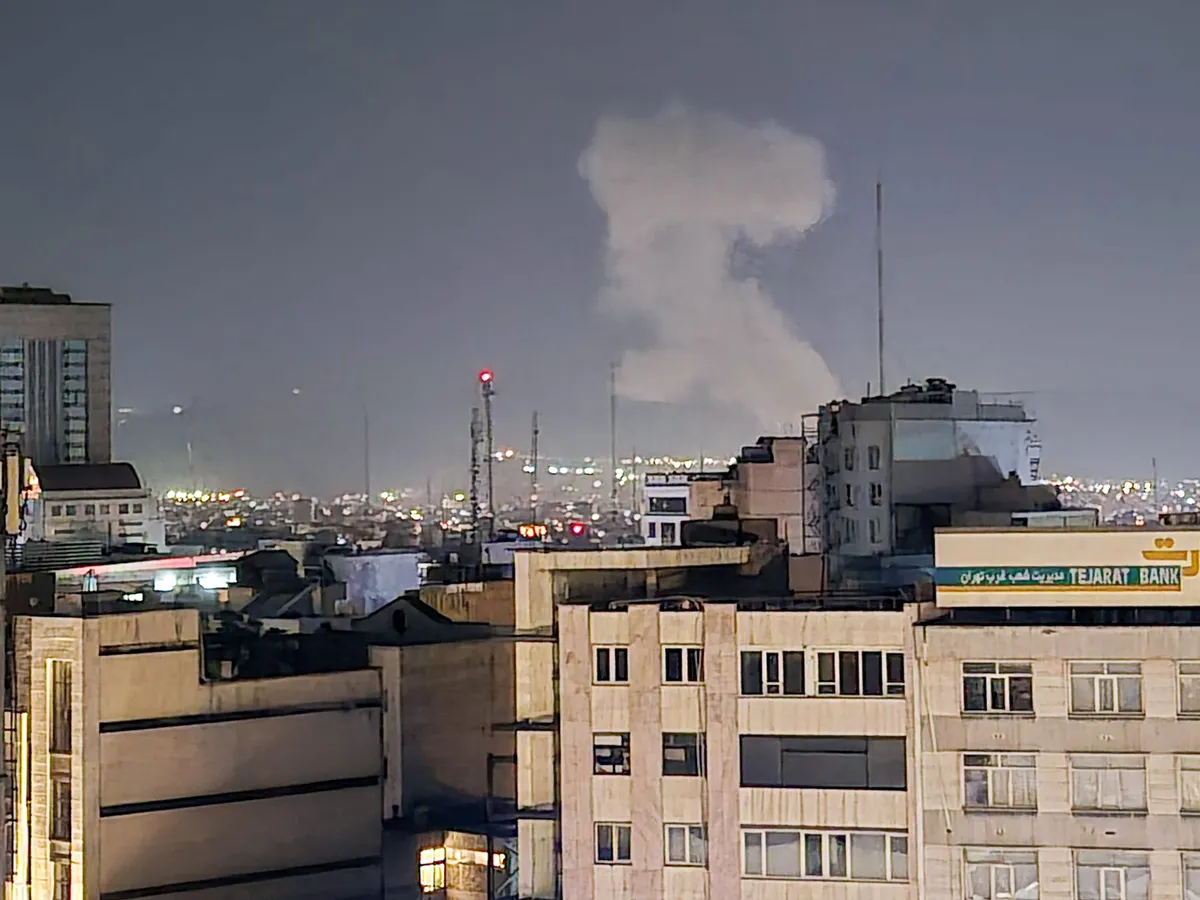
Recent reports indicate that the Israeli military has executed a wide-scale wave of strikes on infrastructure targets in Tehran. These operations have triggered the activation of Iranian air defense systems, which were deployed in response to US-Israeli drones over the capital. The intensity of these strikes has resulted in catastrophic damage, with over 80,000 civilian building units hit in Iran, including critical facilities such as hospitals and schools.
The human cost of this conflict is staggering. Iran’s death toll has surpassed 1,500, while 15 individuals have been reported killed in Israel due to Iranian attacks. These figures underscore the devastating impact of the ongoing hostilities on both sides.
In a related development, former President Donald Trump has extended the deadline for Iran to reopen the Strait of Hormuz by five days. This move is seen as an attempt to manage the escalating crisis, but it also raises questions about the US’s long-term strategy in the region.
Iran’s Islamic Revolutionary Guard Corps (IRGC) has made it clear that they are prepared to retaliate against US and Israeli attacks on their power plants, stating emphatically, “Do not doubt that we will do this.” This declaration signals a commitment to respond decisively to perceived aggressions, further complicating the already volatile situation.
As the conflict unfolds, there are growing concerns within Israel that the US might halt military operations prematurely, potentially leaving Israel vulnerable. Nida Ibrahim articulated this apprehension, noting that the uncertainty surrounding US involvement could have significant implications for Israel’s security strategy.
Details remain unconfirmed regarding the exact number of casualties and damage in various cities, but the situation continues to evolve rapidly, with both sides preparing for potential further escalations. The international community watches closely, aware that the stakes are higher than ever in this fraught geopolitical landscape.