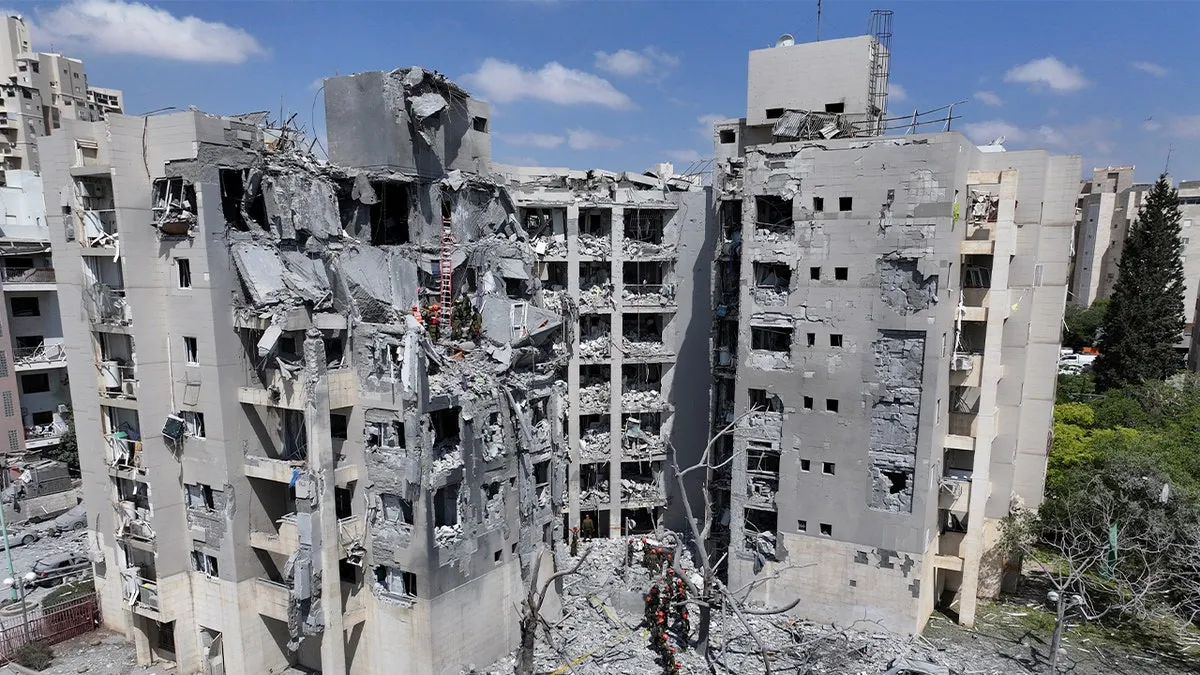
The ongoing conflict between Iran and Israel shows no signs of abating, as Iran has dismissed a U.S. proposal for a ceasefire and continues its military operations. The stakes are high, with the humanitarian toll escalating; Iran’s death count has surpassed 1,500, while Lebanon has seen 1,100 casualties and Israel 16 deaths.
Iran’s Foreign Minister, Abbas Araghchi, has made it clear that no negotiations are currently on the table, stating, “No negotiations have happened with the enemy until now, and we do not plan on any negotiations.” This sentiment reflects Iran’s broader strategy of asserting its conditions for any potential ceasefire.
In a counter to U.S. diplomatic efforts, Iran has proposed its own five-point plan for a ceasefire, which includes demands for reparations and a halt to the killings of its officials. This proposal underscores Iran’s insistence on sovereignty over the Strait of Hormuz, a critical chokepoint for global oil shipments, through which 100% of the world’s oil is transported.
Meanwhile, the U.S. has ramped up its military presence in the region, dispatching at least 1,000 troops from the 82nd Airborne Division. This move, however, has only heightened tensions, as Iran remains suspicious of U.S. intentions, particularly following past attacks during diplomatic negotiations.
The conflict has also had significant economic repercussions, with Iran’s strikes on regional energy infrastructure causing oil prices to surge. Brent crude oil prices recently peaked at $120 per barrel, marking a 35% increase since the war began.
Despite Iran allowing a limited number of ships through the Strait of Hormuz, U.S. and Israeli vessels remain barred, further complicating the geopolitical landscape. An anonymous Iranian official stated, “Iran will end the war when it decides to do so and when its own conditions are met,” indicating a firm stance against external pressures.
As the situation evolves, uncertainties loom large. It remains unclear who within Iran’s government holds the authority to negotiate or if any party is willing to engage in dialogue. Furthermore, the exact conditions Iran requires for a ceasefire have not been fully disclosed, leaving the prospect of peace hanging in the balance.
Details remain unconfirmed, and the international community watches closely as the conflict continues to unfold, with the potential for further escalation always present.