“I will soon be reviewing the plan that Iran has just sent to us, but can’t imagine that it would be acceptable in that they have not yet paid a big enough price for what they have done to Humanity, and the World, over the last 47 years.” This statement from Donald Trump encapsulates the current tensions surrounding Iran’s recent peace proposal.
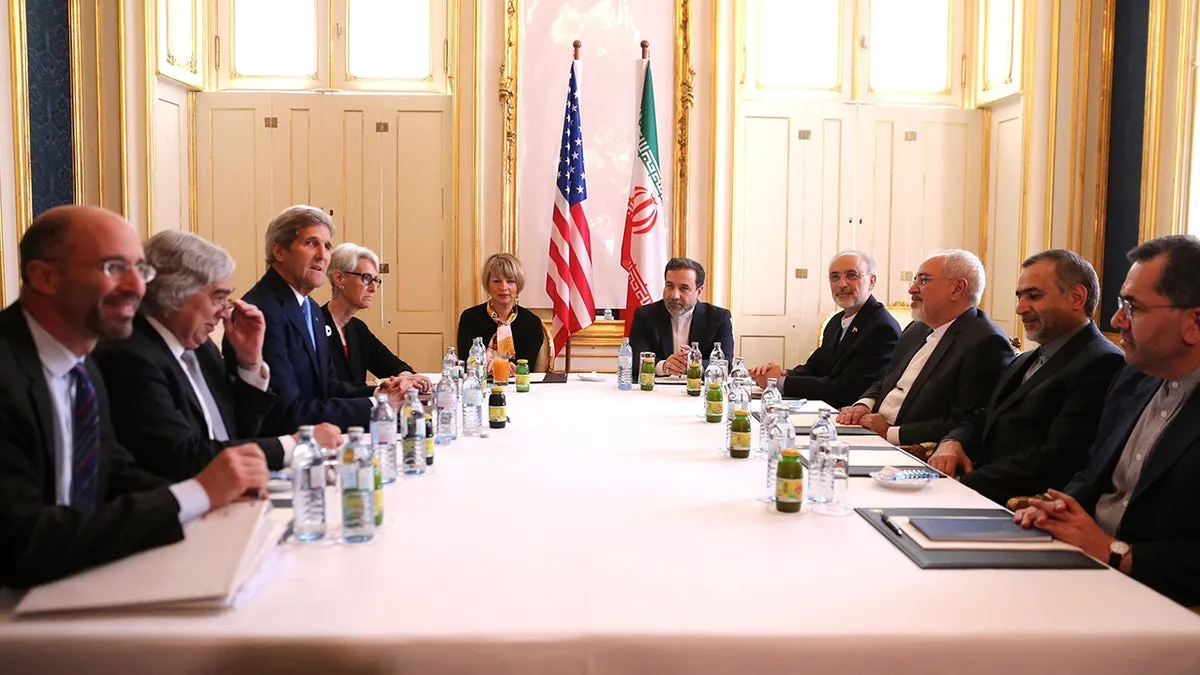
Iran has put forth a 14-point peace proposal aimed at reshaping US-Iran relations. It includes a 30-day phase to transition from a ceasefire to a complete end to hostilities. Yet, Trump’s skepticism looms large—he questions whether Iran has faced adequate repercussions for its past actions.
The proposal demands significant concessions from the US: lifting sanctions, ending blockades, and withdrawing military forces from the region. In exchange, Iran offers a strategic dialogue with neighboring Arab states and proposes a 15-year freeze on uranium enrichment—a significant point given the ongoing nuclear negotiations.
Amid this backdrop, Iranian officials assert that their proposal does not address nuclear issues directly. Esmaeil Baghaei emphasized that “Iran’s proposal did not include any clause related to the nuclear issue.” This could be an attempt to de-escalate tensions and focus on immediate regional stability.
The geopolitical stakes are high. The Strait of Hormuz, through which approximately 20 percent of the world’s oil and gas supplies flow, has seen increasing military activity as Iran blocks shipping routes. The US continues to demand that Iran relinquish its stockpile of over 400 kg of highly enriched uranium—a sticking point in negotiations.
The next steps remain uncertain. The US has responded through Pakistani mediators, but no clear timeline or wording for their official response has been shared. The world watches closely as these developments unfold—how will this impact Middle East security?