How it unfolded
As tensions in the Middle East reached a boiling point, the situation surrounding Iran’s leadership and its President became increasingly precarious. On March 31, 2026, the Iranian government faced a critical juncture as President Donald Trump issued a stark ultimatum regarding the closure of the Strait of Hormuz, a vital artery for global oil shipments. This closure had persisted for 31 days, significantly impacting international shipping and raising concerns over global oil supply.
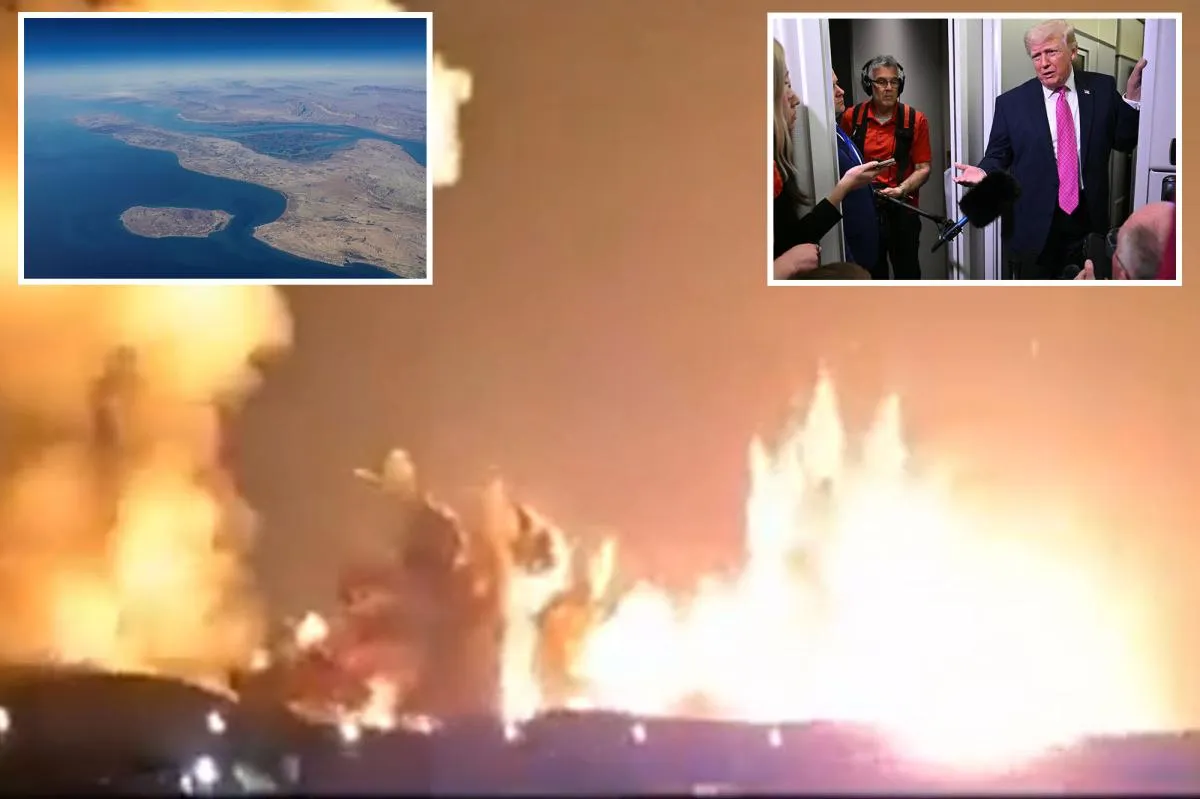
In the preceding weeks, the conflict had escalated dramatically. Trump had expressed confidence that the Iran war was nearing its end, yet his administration’s military actions contradicted this optimism. The U.S. targeted military positions on Kharg Island, while Iran retaliated by striking a key water and electrical plant in Kuwait. Such actions underscored the volatility of the situation and the potential for further escalation.
Trump’s ultimatum set an April 6 deadline for Iran to reopen the Strait of Hormuz or face U.S. airstrikes. This ultimatum was not just a tactical maneuver but a reflection of the broader geopolitical stakes involved. Trump stated, “We’re obliterating the s–t out of them right now,” indicating a willingness to escalate military action if necessary. The stakes were high, with Brent crude oil prices soaring to $115, marking a 60% increase since the onset of the conflict.
Amid these tensions, Iran’s Foreign Minister Abbas Araghchi clarified that communications with the U.S. should not be misconstrued as negotiations. Instead, he described them as an “exchange of messages either directly or via our friends in the region.” This statement highlighted the complexity of diplomatic relations and the challenges of reaching a resolution amid ongoing hostilities.
Iran’s leadership, under President Mohammad Bagher Qalibaf, faced mounting pressure to respond to Trump’s ultimatum. The Iranian government outlined its conditions for ending the war, which included guarantees against future attacks and reparations for damages incurred during the conflict. This stance reflects Iran’s determination to safeguard its sovereignty and economic interests in the face of external threats.
The human cost of the conflict has been staggering, with reports indicating that approximately 1,900 people have been killed in Iran, alongside 1,200 in Lebanon and 19 in Israel. These figures underscore the devastating impact of the ongoing hostilities on civilian populations and the urgent need for a diplomatic resolution.
As the April 6 deadline approaches, the international community watches closely. The implications of this standoff extend beyond the immediate region, affecting global oil markets and international relations. The potential for military escalation looms large, and the stakes are higher than ever for both Iran and the United States. The outcome of this confrontation will likely shape the geopolitical landscape for years to come.