Reaction from the field
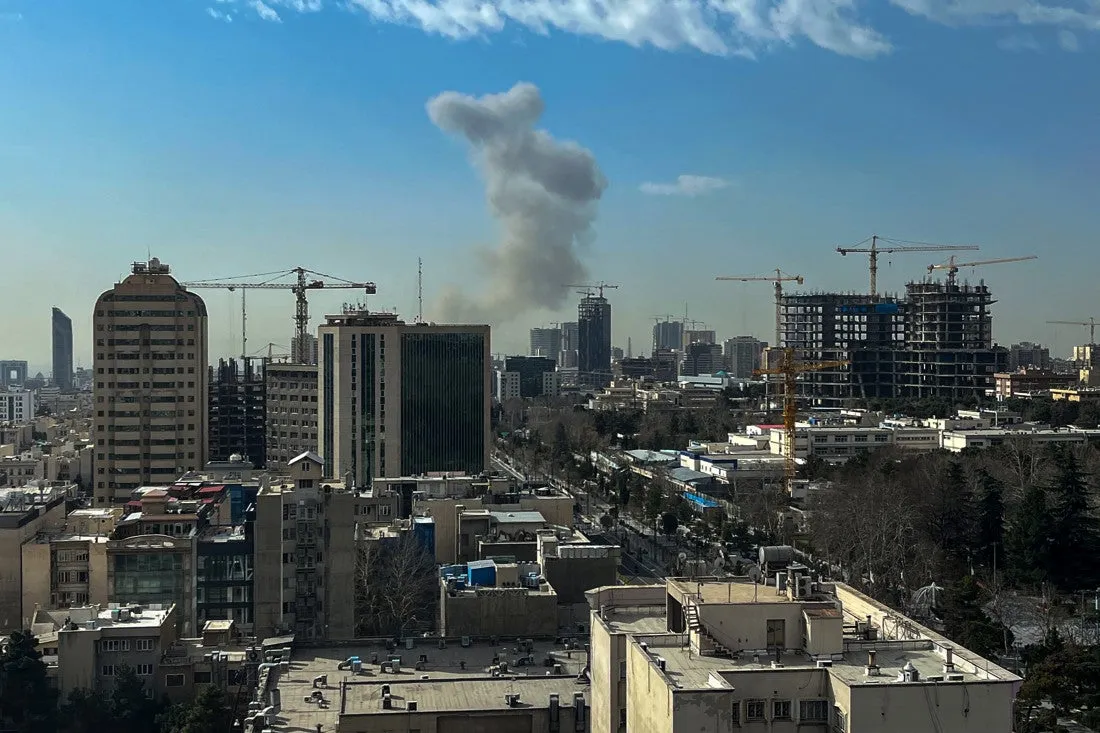
The recent escalation of conflict marked by Iran strikes has resulted in a significant military response from the United States and Israel, fundamentally altering the geopolitical landscape of the Middle East. On February 28, 2026, the U.S. military launched major combat operations, dubbed Epic Fury, alongside Israel’s Roaring Lion initiative, targeting the Iranian regime in a bid to eliminate perceived imminent threats. This coordinated effort has led to severe consequences, including the loss of lives and extensive damage across the region.
Since the onset of these operations, Iran has retaliated with sustained waves of ballistic missiles and drones aimed at Israeli population centers and U.S. military positions. Reports indicate that Iran has fired over 400 ballistic missiles toward Israel, resulting in at least 17 Israeli civilian deaths and over 4,000 injuries. The scale of these attacks underscores the Iranian regime’s aggressive posture, which has been a longstanding concern for both Israel and the United States.
In a tragic turn of events, Iranian strikes have also claimed the lives of 13 U.S. service members and left approximately 140 wounded. The U.S. Central Command has reported that over 9,000 targets have been struck in the ongoing conflict, including significant damage to Iranian naval capabilities, with more than 140 Iranian vessels reported as damaged or destroyed. This military engagement represents one of the most intense confrontations in recent history.
The political ramifications of these strikes are profound. The death of Ali Khamenei, Iran’s Supreme Leader, in strikes on Tehran has created a power vacuum, with his son, Mojtaba Khamenei, now appointed as the new supreme leader. This transition raises questions about the future direction of Iranian policy and its military strategies. Mojtaba Khamenei has already indicated a hardline stance, asserting that the Strait of Hormuz should remain closed and used as leverage against Iran’s adversaries.
The conflict has also seen Hezbollah intensifying its attacks on Israel, launching rockets and missiles from southern Lebanon, further complicating the security situation in the region. The Iranian regime’s ability to sustain missile attacks has reportedly eroded significantly, with ballistic missile launch rates declining by roughly 90% from peak levels, indicating a potential shift in military strategy or capability.
Statements from key figures reflect the gravity of the situation. Donald Trump emphasized the necessity of U.S. military action, stating that it was essential to defend American citizens from threats posed by Iran. Meanwhile, Israeli Prime Minister Benjamin Netanyahu articulated that Israel’s actions were aimed at neutralizing the existential threat posed by Iran, framing the conflict as a battle against terrorism.
As the situation continues to evolve, uncertainties loom large. The full extent of the military and civilian casualties remains unclear, and the international community watches closely as developments unfold. Details remain unconfirmed regarding the long-term implications of these strikes on regional stability and the potential for further escalations in hostilities.