Recent Developments in the Gulf Region
On March 8, 2026, Iranian drone attacks targeted a water desalination plant in Bahrain, escalating tensions in the Gulf region. This incident followed a series of retaliatory strikes by Iran against neighboring countries, which Iran claims were in response to attacks from the US and Israel.
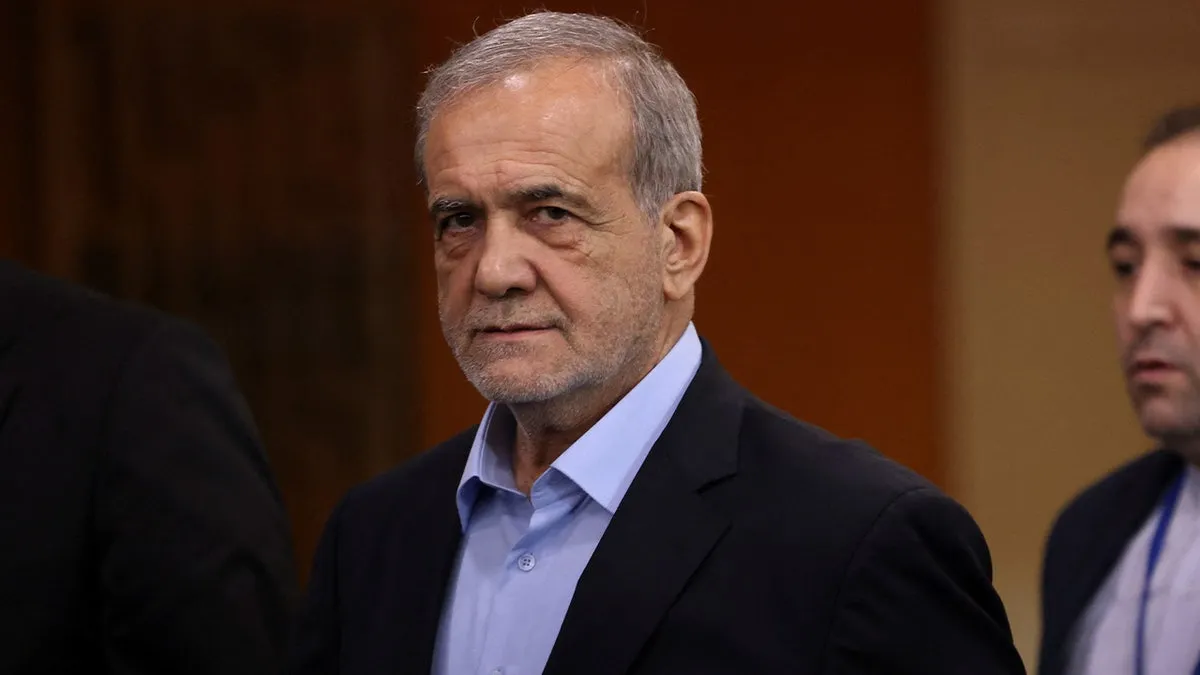
In light of these events, Iranian President Masoud Pezeshkian publicly apologized to the affected neighboring countries, stating, “I personally apologise to neighbouring countries that were attacked by Iran.” He emphasized the importance of regional solidarity, saying, “We stand with these ones we love in the region.” This statement reflects a desire to mend relations amidst rising hostilities.
However, Pezeshkian’s remarks have not been universally accepted. The Islamic Revolutionary Guard Corps (IRGC) expressed disapproval of his apology, warning that Iran would continue its military actions if the US and Israel utilized neighboring territories for attacks. The IRGC’s stance highlights the internal divisions within Iran regarding its military strategy.
Iran’s Foreign Minister Abbas Araghchi reinforced this position by stating that Tehran would not cease its attacks, indicating a firm commitment to its military response strategy. Pezeshkian, while pledging to halt attacks unless they originated from neighboring countries’ soil, faces challenges in aligning his administration’s military policies with the IRGC’s more aggressive stance.
In a recent phone conversation, Pezeshkian discussed regional tensions with Azerbaijani President Ilham Aliyev, signaling Iran’s intent to engage diplomatically with its neighbors. However, the mixed messages from Iran’s leadership regarding military actions have led to confusion about its foreign policy direction.
The Gulf Cooperation Council condemned Iran’s drone attacks, labeling them as dangerous acts of aggression. This condemnation underscores the broader regional concerns regarding Iran’s military capabilities and intentions.
Furthermore, Pezeshkian’s statements have been interpreted by some as being misinterpreted by adversaries aiming to create division. This perception complicates Iran’s diplomatic efforts as it navigates its relationships with neighboring countries.
As the situation evolves, the implications of Pezeshkian’s statements on Iran’s foreign policy remain uncertain. Details remain unconfirmed regarding the exact nature of the mixed messages from Iranian leadership, which could impact future military and diplomatic engagements.
Overall, the current state of affairs in the Gulf region reflects a complex interplay of military actions, diplomatic overtures, and internal divisions within Iran’s leadership, particularly concerning President Masoud Pezeshkian’s approach to regional relations.