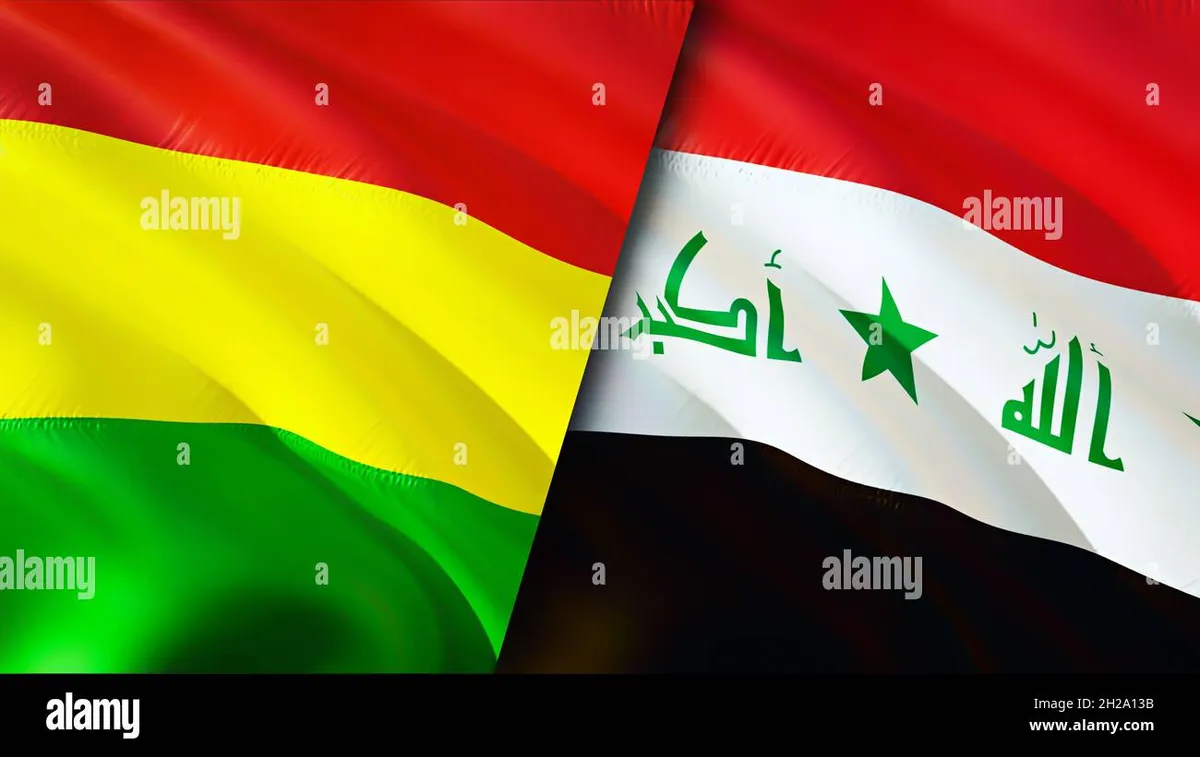
Who is involved
The stage is set at Durban’s Kings Park Stadium for a pivotal clash between Iraq and Bolivia in the 2026 FIFA World Cup Qualifiers. Both teams enter this match with two wins apiece in their qualifying campaigns, but the stakes could not be higher. For Iraq, this match represents a chance to end a 40-year drought since their last World Cup appearance in 1986. Conversely, Bolivia, which last qualified in 1994, sees this match as an opportunity to reclaim its place on the world stage.
Before this decisive moment, expectations were cautiously optimistic for both teams. Iraq, despite its historical struggles, had been preparing for this match amid ongoing conflict in the Middle East, which has hampered their competitive readiness. They had not played any competitive games since December, raising concerns about their match fitness. Meanwhile, Bolivia, buoyed by their recent performances, hoped to capitalize on Iraq’s lack of competitive play.
The match is a one-game, winner-takes-all scenario. If Iraq wins, they qualify directly for the 2026 FIFA World Cup, a monumental achievement that would resonate deeply within their footballing history. A draw would lead to extra time and potentially a penalty shootout, while a loss would eliminate Iraq from the qualification process entirely. On the other hand, a victory for Bolivia would secure their qualification, marking a significant turnaround for a nation that has struggled to make its mark on the global football stage.
As the match approaches, the implications for both teams are stark. Iraq’s historical context adds layers of pressure; they have not qualified for the World Cup since 1986, and the weight of expectation from their supporters is palpable. For Bolivia, the opportunity to return to the World Cup after nearly three decades is equally significant, as they seek to reinvigorate their footballing legacy.
According to expert analyses, the dynamics of this match could hinge on Iraq’s ability to overcome their lack of recent competitive experience. The team has faced challenges in preparation due to the ongoing conflict, which has affected their training and morale. In contrast, Bolivia’s recent form could provide them with the momentum needed to seize this crucial opportunity.
Statistically, both teams have shown resilience, with Iraq currently holding a slight edge, being one point ahead of Bolivia in the standings. However, the unpredictability of a knockout match adds an element of uncertainty that could tip the scales in favor of either side. The winner of this match will join Group I alongside footballing giants France, Senegal, and Norway, further elevating the stakes.
As fans eagerly await this encounter, the historical significance of the match cannot be overstated. It is not just about qualification; it is about national pride, the revival of footballing legacies, and the dreams of millions. The outcome will resonate beyond the pitch, shaping the narratives of both nations in the years to come.
Details remain unconfirmed regarding the final preparations and player conditions as the match day approaches, but one thing is certain: the clash between Iraq and Bolivia will be a defining moment in their footballing histories.