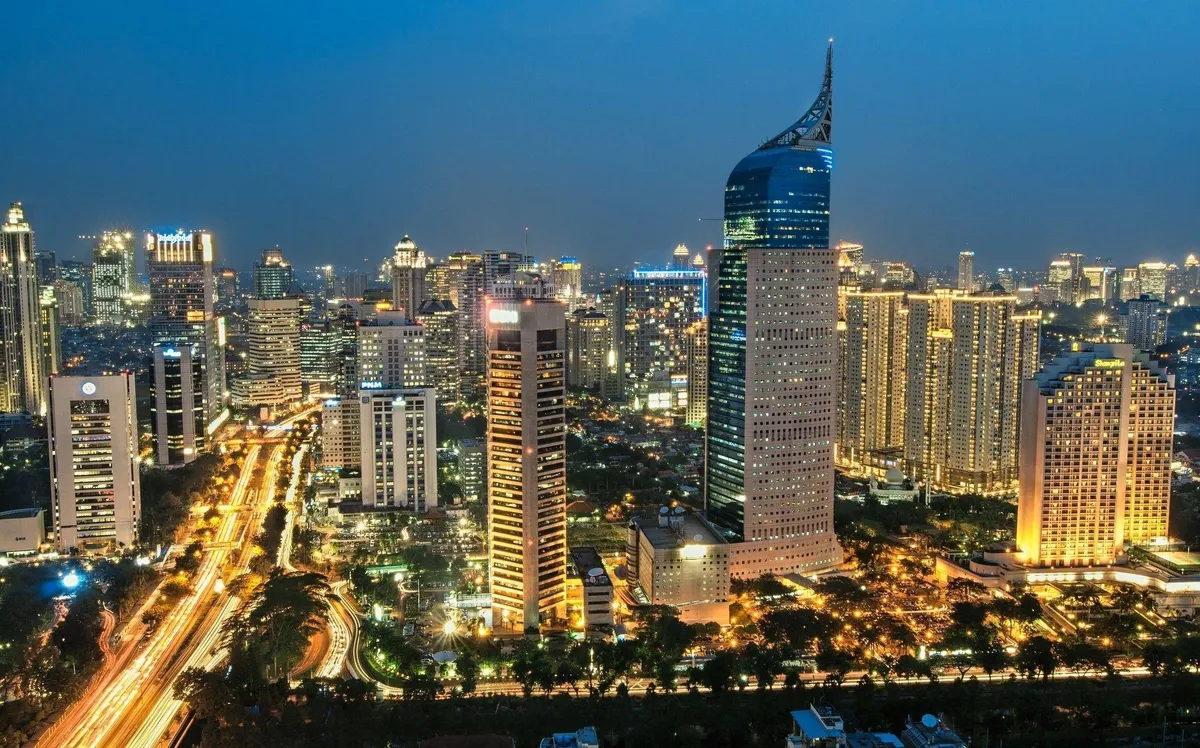
Jakarta, once a thriving metropolis with a population of 42 million, is now grappling with an existential crisis. Historically, the city has experienced explosive growth, expanding from just 150,000 residents in the early 20th century to over 31 million by 2024. However, this rapid urbanization has come at a significant cost, as Jakarta is sinking at an alarming rate of six inches per year, exacerbated by climate change and overdevelopment.
Recent reports reveal that approximately 40 percent of Jakarta lies below sea level, raising concerns about its future viability. The situation has become increasingly dire, with experts warning that nearly half of the city could be inundated and uninhabitable by 2050. In 2020, devastating floods claimed the lives of more than 60 people, underscoring the urgent need for effective solutions.
In response to this crisis, Jakarta’s government has announced ambitious plans for a 435-mile seawall project aimed at protecting the city from rising sea levels. President Joko Widodo emphasized the scale of this undertaking, stating, “This is a massive project with a timeline of 15 to 20 years. This isn’t a one- to two-year project.” This initiative marks a decisive moment in Jakarta’s battle against environmental degradation.
However, the challenges extend beyond infrastructure. Local residents like Ratini have expressed their frustrations, stating, “The water can reach thigh high. Cars and motorcycles can’t enter the area.” Similarly, M. Abdul Baits highlighted the stark reality of the situation, noting, “This is proof that Jakarta has sunk below sea level here. This used to be a two-story house.” Such firsthand accounts illustrate the immediate effects of the ongoing crisis on the lives of Jakarta’s inhabitants.
Despite these efforts, some experts argue that relocating the capital does not address the root environmental and social problems. M. Abdul Baits pointed out that “those issues remain unresolved,” indicating that while infrastructure projects may provide temporary relief, they do not tackle the underlying causes of Jakarta’s plight.
As the city continues to sink, the question remains: can Jakarta find a sustainable path forward? The urgency of the situation demands not only immediate action but also long-term strategies that prioritize both environmental and social resilience. The fate of Jakarta hangs in the balance, and the world watches closely as this densely populated city confronts its greatest challenge yet.