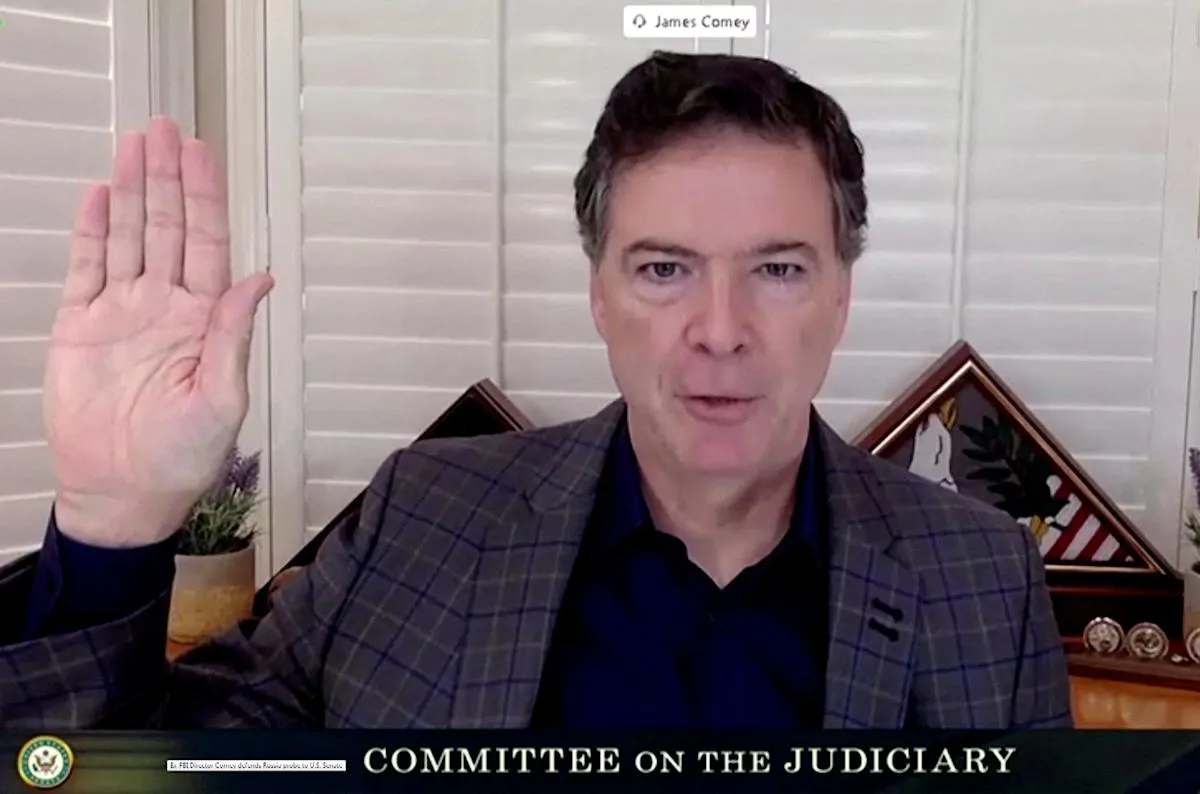
James Comey is facing an indictment for allegedly threatening the life of President Donald Trump, a situation that has stirred significant controversy. The charges originate from a social media post made by Comey in 2025, which he asserts was misinterpreted.
The indictment includes one count of making threats against the president and another count of transmitting a threat across state lines. The crux of the matter lies in a photo Comey shared, depicting the numbers ’86 47′ arranged in seashells on a beach — numbers that some interpret as coded language for violence.
Comey stated, “I didn’t realize some folks associate those numbers with violence.” He later removed the post after facing backlash but insists he never intended it as a threat. This incident has sparked debate regarding the implications of free speech versus perceived threats.
The background is crucial here: Comey served as FBI director under President Barack Obama and was dismissed by Trump in 2017 due to his handling of the investigation into Russian interference in the 2016 election. This history adds layers to the current indictment — some view it as a continuation of personal vendetta.
Comey’s legal team plans to challenge these threat charges, labeling them as vindictive. Legal experts have begun to weigh in on the strength of the case against him, with many questioning whether it can hold up in court given the context and nuances involved.
The fallout from this situation may extend beyond legal ramifications. Trump’s response has been sharp; he has labeled Comey a “dirty cop,” echoing sentiments that have fueled division among supporters and critics alike.
As this case unfolds, uncertainties remain about its broader implications on political discourse and legal precedents surrounding speech. The next steps are anticipated eagerly by both sides, with potential hearings looming on the horizon.
This case not only tests Comey’s legal defenses but also raises questions about how far political tensions can escalate before they infringe upon individual rights and freedoms.