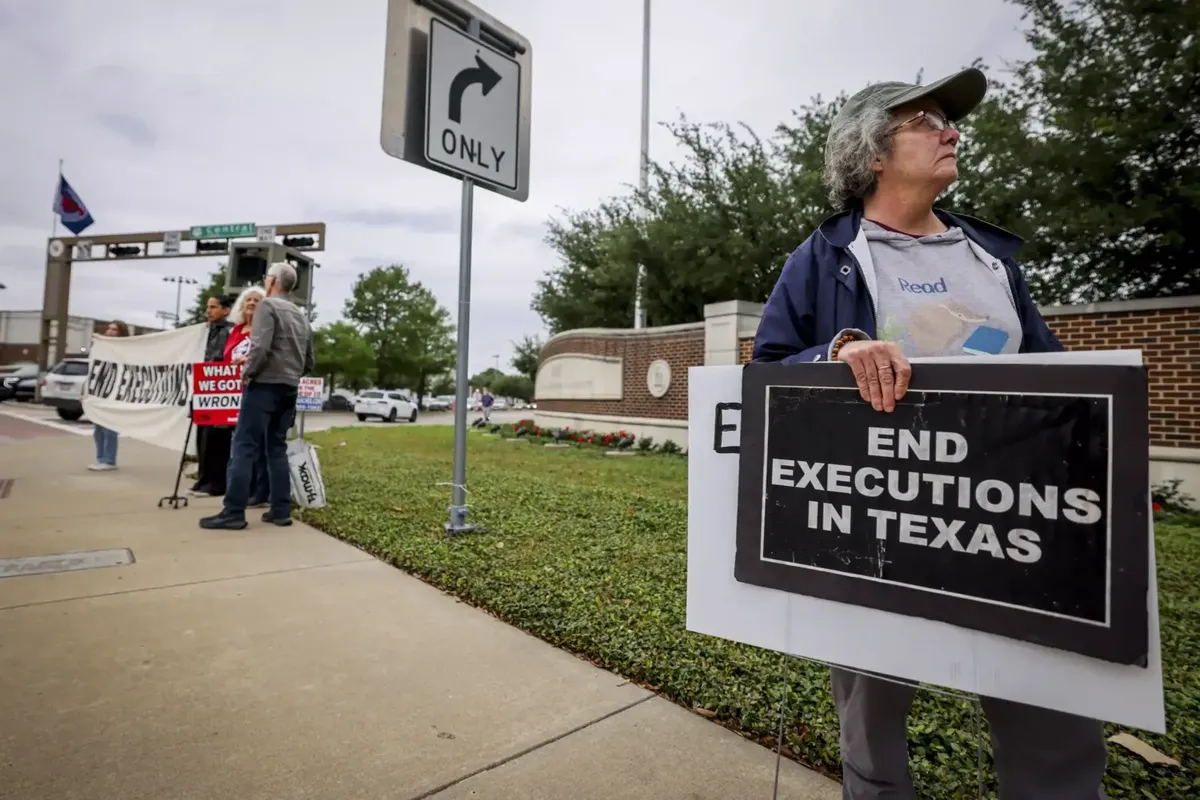
On April 30, 2026, James Broadnax was executed by lethal injection in Huntsville, Texas, for his role in the 2008 robbery and murders of two victims, Stephen Swan and Matthew Butler. This execution occurred despite a shocking recent confession from his cousin, Demarius Cummings, who claimed he was the actual shooter.
The circumstances surrounding Broadnax’s conviction raise troubling questions about the integrity of the criminal justice system. Convicted in 2009, Broadnax maintained his innocence throughout the trial and subsequent appeals. His cousin’s admission of guilt—coming years later—has sparked outrage and calls for clemency.
Key facts:
- Broadnax was 37 years old at the time of his execution.
- Cummings received a life sentence without parole for his involvement in the crime.
- More than 80,000 signatures were collected in support of clemency for Broadnax.
- The U.S. Supreme Court denied Broadnax’s final appeal to stop the execution.
- Prayer vigils were held across Texas on the day of his execution.
Broadnax’s legal team argued that he had been under the influence of drugs when he initially confessed to the shooting—suggesting that this confession may have been coerced or unreliable. Yet, despite these claims and new evidence presented just days before his execution, officials denied a requested 30-day reprieve.
In his final moments, Broadnax expressed gratitude for those who supported him and reiterated his innocence: “I’m innocent; the facts of my case should speak for itself period.” His last words included prayers for the families of Swan and Butler, highlighting a tragic irony in a case that has drawn national attention.
This incident underscores ongoing debates surrounding the death penalty and wrongful convictions in America. As states like Texas continue to uphold capital punishment, cases like Broadnax’s ignite discussions about justice and accountability within the system. The implications are vast—how many others may be wrongfully condemned?
The future remains uncertain as advocates push for reforms in capital punishment legislation. The conversation around wrongful convictions is gaining momentum, with more voices calling for systemic change to prevent similar tragedies from unfolding again.