Introduction
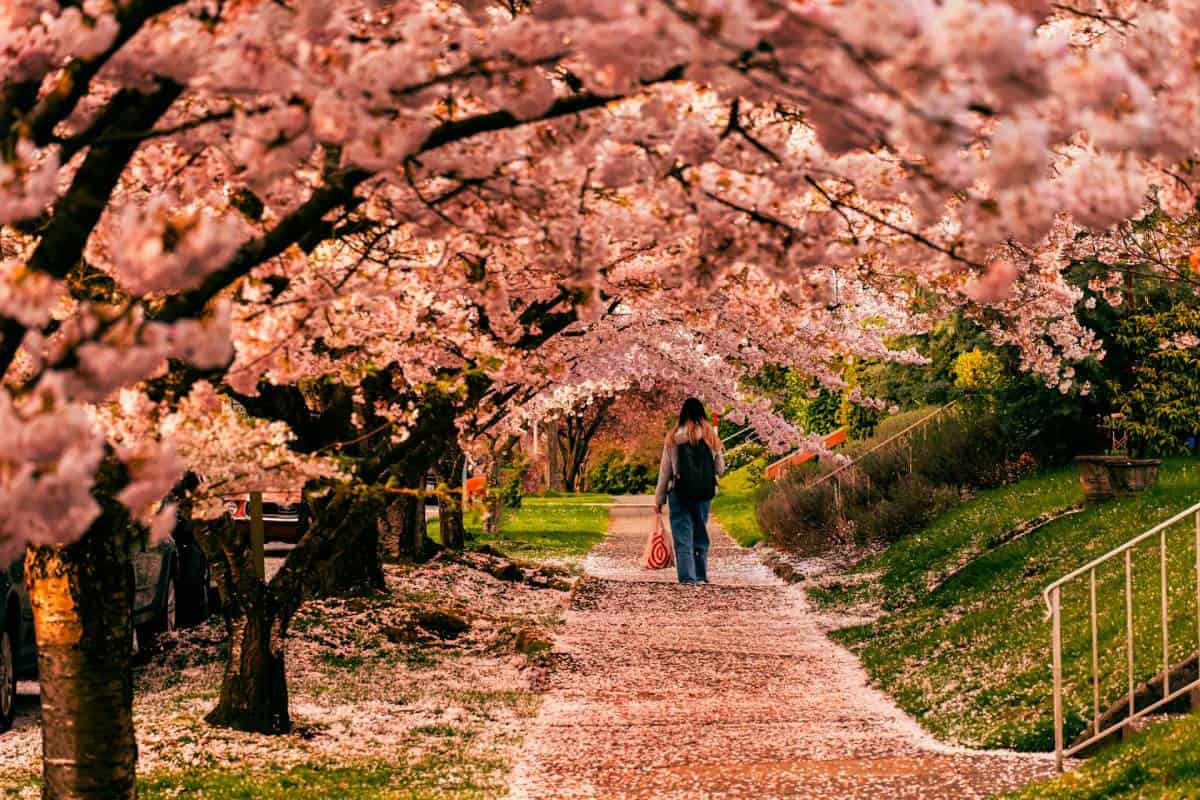
The cherry blossom festival, an iconic cultural event celebrated across Japan, has been cancelled this year due to unforeseen circumstances. This festival typically draws millions of visitors both domestically and internationally, celebrated for its breathtaking beauty and symbolic representation of renewal and the transient nature of life. The cancellation not only impacts tourism but also the cultural fabric of communities that partake in this time-honoured tradition.
Details of the Cancellation
This year, the announcement came early in March, a time when many look forward to the blooming sakura (cherry blossoms) that typically peak around late March to early April. Authorities cited concerns surrounding public safety and health as primary reasons for the cancellation, referencing the ongoing implications of the COVID-19 pandemic and potential weather disruptions. Local governments often risk heavy participation in large gatherings during this period, making health protocols a focal point as the nation navigates post-pandemic recovery.
Impact on Communities and Tourism
The cancellation is expected to significantly affect local economies, particularly in regions famous for their cherry blossom trees such as Tokyo, Kyoto, and Hirosaki, where the influx of tourists usually boosts business for hotels, restaurants, and local vendors. Many municipalities had invested heavily in the festival’s organisation, planning related events such as food stalls, traditional performances, and guided tours. Local artisans who rely on the festival for income have expressed concern over lost opportunities for sales and exposure.
Alternatives and Future Outlook
In light of the cancellation, some local governments and organisations are pivoting to virtual celebrations and smaller, socially-distanced events to honour the cherry blossom season. These initiatives aim to maintain community spirit and allow citizens to engage with the beauty of sakura blooms safely. Looking towards the future, cultural experts suggest that while this year’s festival is cancelled, the deep-rooted tradition of cherry blossom viewing (hanami) will endure, with hopes for the return of festivities in subsequent years.
Conclusion
The cancellation of Japan’s cherry blossom festival carries significant consequences for economic, cultural, and social dimensions. While the immediate impacts are being felt this year, the resilience of communities and their dedication to the cherry blossom tradition suggest that the spirit of hanami will persist, paving the way for brighter celebrations in the future.