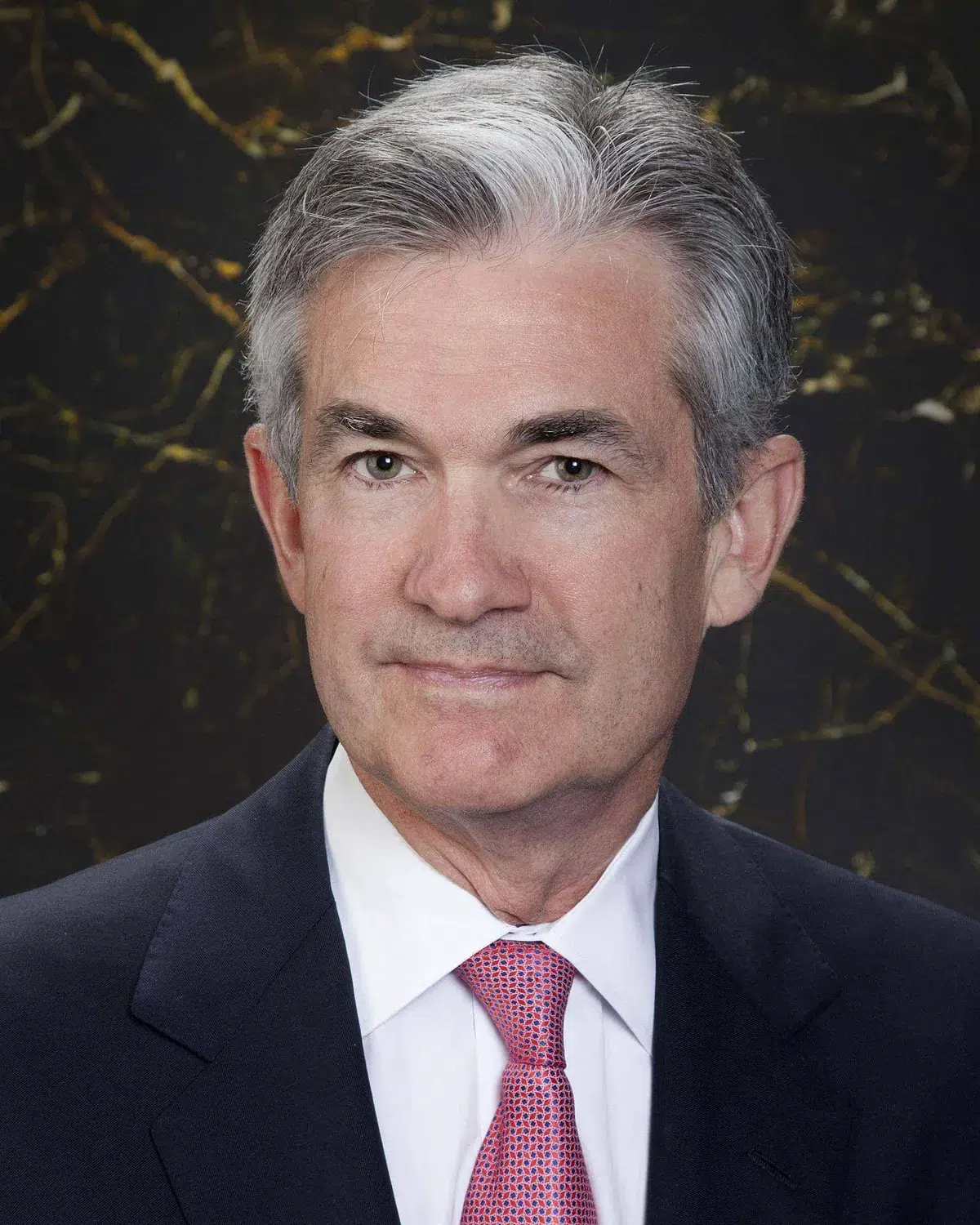
Jerome Powell’s potential departure from the Fed marks a significant shift in U.S. monetary policy leadership, as his last meeting as Fed chair is expected on April 29, 2026. With President Trump nominating Kevin Warsh to replace him, the landscape of interest rates and economic strategy may soon change dramatically.
Before this development, many expected Powell to continue shaping Federal Reserve policy amid ongoing economic challenges. His tenure—over eight years—has been characterized by a careful balancing act between maintaining economic growth and controlling inflation.
The decisive moment came when the Senate Banking Committee voted 13-11 to endorse Warsh’s nomination. This narrow margin highlights the divided opinions on monetary policy direction among lawmakers. Warsh, who has pledged to act independently and not take orders from the president, brings a different perspective that could diverge significantly from Powell’s approach.
The implications of this shift are profound for various stakeholders. Investors may react cautiously, especially since interest rates are expected to remain unchanged at Powell’s final policy meeting. Stability is often preferred during transitions, but uncertainty can trigger volatility.
Experts have weighed in on the potential impacts of Warsh’s nomination. Some argue that his commitment to economic independence could foster a more aggressive stance on inflation control, which could lead to higher interest rates down the line—an outcome that many businesses and consumers are keenly watching.
Kevin Warsh stated, “The president never asked me to commit to interest rate cuts at any particular meeting over the period of my tenure at the Fed.” His independence may signal a new era for the Federal Reserve, one where political pressures are less likely to dictate monetary decisions.
As Powell prepares for his exit, he retains the option to remain on the Fed’s governing board until 2028. His experience will still be available to guide future decisions, albeit from a different role.
The confirmation vote for Warsh is expected soon in the full Senate. This vote will further illuminate whether Congress supports a substantial shift in monetary policy direction or prefers continuity under Powell’s established framework.