The numbers
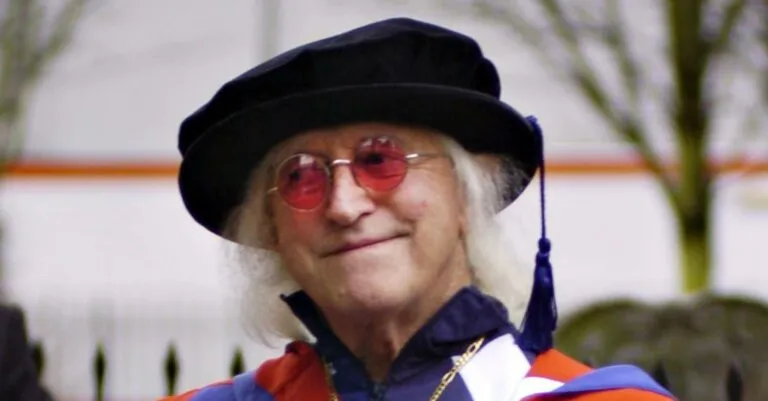
Jimmy Savile, a prominent British television star and radio host, has been labeled by filmmaker Louis Theroux as the worst person he has ever met during his career. This stark characterization highlights the shocking revelations that emerged after Savile’s death in 2011, when he was posthumously exposed as a pedophile implicated in the assaults of hundreds of victims.
During an interview for a documentary in 2000, Theroux interacted with Savile, who denied any allegations of sexual assault at the time. “My mind tends to go to Jimmy Savile, basically because when I met him, I was making a documentary about him—his crimes had not been discovered,” Theroux reflected, expressing feelings of guilt and responsibility for having been friendly with the notorious figure.
The scale of Savile’s offenses is staggering. A report by the NSPCC and the Metropolitan Police revealed that between 1955 and 2009, 450 individuals made complaints against him. The report documented 214 criminal offenses, including 34 rapes, and indicated that many of Savile’s victims were under the age of 18. This shocking data reshaped public perception of Savile, who was once celebrated as a national treasure.
Theroux, known for his close encounters with controversial figures, described Savile as “probably the worst VIP predator, or person in the public eye who was a predator, certainly of recent times.” The revelations surrounding Savile have led to a broader discussion about the responsibility of media and society in recognizing and addressing such predatory behavior.
As the fallout from the Savile scandal continues, many observers are left grappling with the implications of his actions and the systemic failures that allowed them to persist for decades. The impact of these revelations has been profound, prompting calls for greater accountability and protection for potential victims.
In the wake of the scandal, Theroux has emphasized the importance of focusing on the dignity of the survivors, stating, “I’d prefer to focus on the dignity of the survivors.” This sentiment underscores the need for a shift in narrative from glorifying figures like Savile to supporting those who suffered due to their actions.
As society continues to process the scale of the Savile scandal, the legacy of his crimes remains a painful reminder of the vulnerabilities faced by many. Details remain unconfirmed about the full extent of his actions and the systemic issues that allowed them to go unchecked for so long.