Introduction
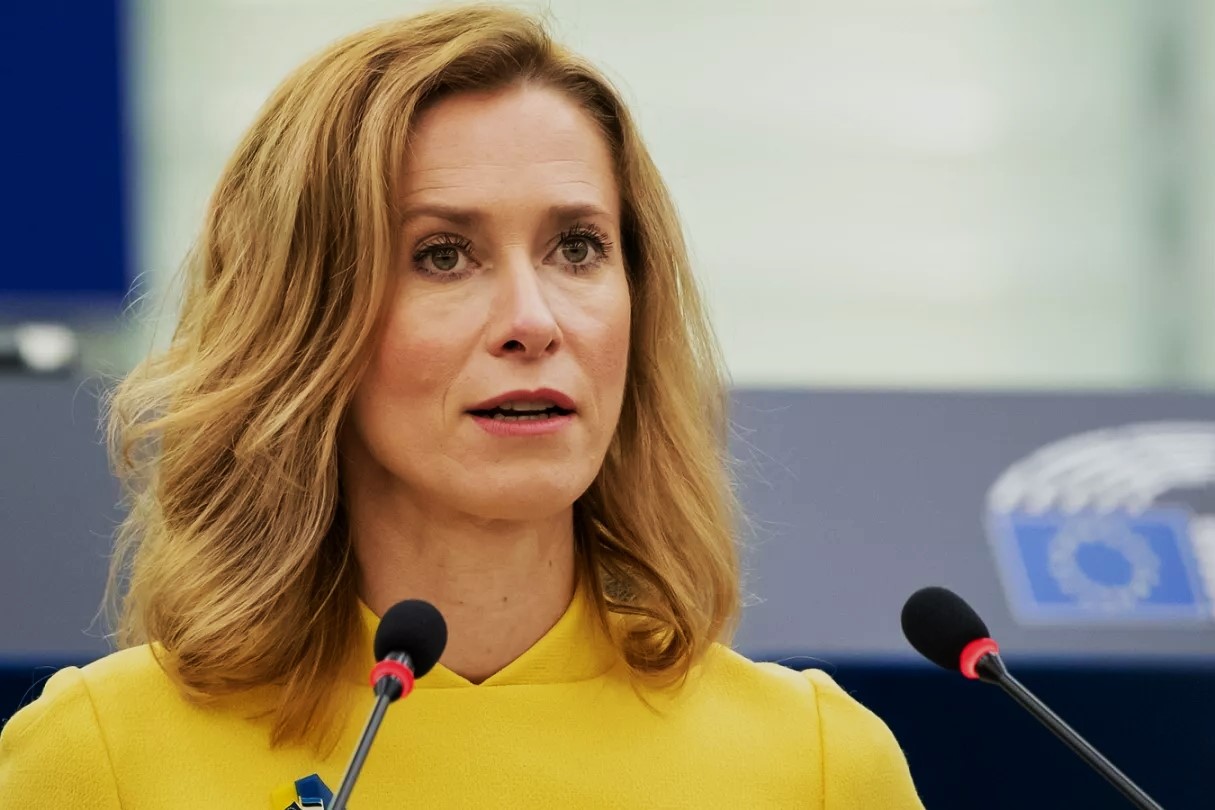
Kaja Kallas has emerged as one of the most significant political figures in Estonia and Europe since she took office as the Prime Minister in January 2021. As the first woman to hold this position, Kallas represents a shift toward progressive governance in a nation known for its digital advancements and commitment to European Union values. Her leadership gains even more importance amid the challenging global landscape, which includes economic instability and regional tensions following Russia’s actions in Ukraine.
Political Background
Kaja Kallas, born in 1977 in Tallinn, comes from a politically active family; her father, a prominent politician, inspired her early interest in leadership. After studying law and earning her master’s degree at the University of Tartu, she began her political career with the Reform Party, where she represented Estonia in the European Parliament from 2014 to 2018. Some of her pivotal roles in local politics laid the groundwork for her ascension to the Prime Minister’s office.
Her Policies and Initiatives
Since taking office, Kallas has addressed multiple pressing issues, including economic recovery post-COVID-19, digital innovation, and security concerns due to the ongoing conflict in Ukraine. Kallas is a strong advocate for EU unity and has pushed for measures to strengthen the European energy supply, reduce dependency on Russian energy, and bolster defence initiatives. Her government has provided substantial military support to Ukraine, demonstrating staunch support for sovereignty and international law.
Challenges and Opposition
However, Kaja Kallas’s tenure has not been without challenges. Public support has fluctuated due to rising living costs and inflation rates, which have affected many Europeans. Opposition parties are gaining traction as citizens express dissatisfaction with the government’s handling of the economy. These hurdles test Kallas’s leadership and determination to uphold the values she champions.
Conclusion
Kaja Kallas’s leadership has not only shaped domestic policies in Estonia but has also positioned her as a notable figure in the broader context of European politics. As she navigates through both domestic and international challenges, her approach will likely influence the future of Estonia and define her legacy as a pioneer for women in leadership. Observers will be keen to see how Kallas adapts her strategies moving forward, especially amid evolving economic and geopolitical landscapes.