Kari Lake’s Leadership Controversy
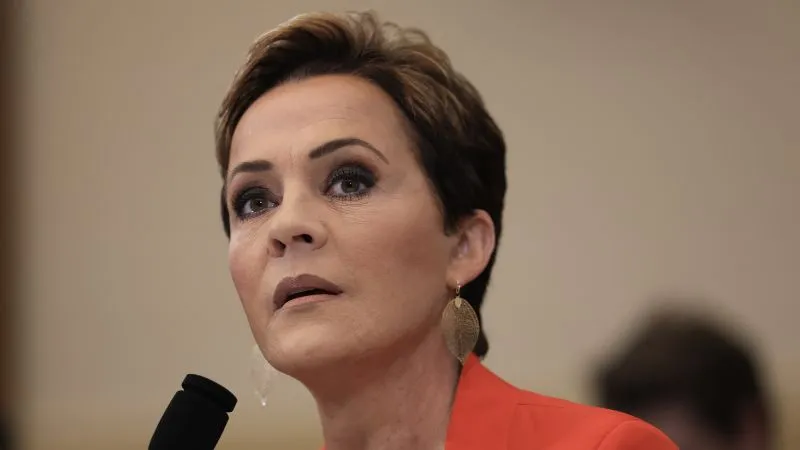
In early March 2026, the political landscape surrounding Kari Lake shifted dramatically when a federal judge ruled that she unlawfully ran the U.S. Agency for Global Media (USAGM) for several months the previous year. This ruling came just as Lake was preparing to appeal the decision, which has significant implications for her actions and the operations of the Voice of America (VOA).
Key Developments in the Case
On March 7, 2026, Judge Royce C. Lamberth issued a ruling that voided mass layoffs and other actions taken by Lake during her tenure as the acting CEO of USAGM. The judge determined that Lake’s leadership was in violation of the Federal Vacancies Reform Act and the Constitution’s Appointments Clause, as she had not been confirmed by the Senate and was not employed by USAGM when the former CEO resigned.
Impact on Voice of America
The ruling was seen as a significant rebuke of Lake’s attempts to dismantle the Voice of America, which is a government-funded entity that produces journalism and promotes democratic values outside the United States. Under the Trump administration, the VOA was limited to broadcasting in just four languages, a stark contrast to the 49 languages it had previously broadcasted in, reaching an audience of 420 million people globally.
Reactions to the Ruling
Following the ruling, a statement from the plaintiffs, which included VOA journalists and a union representing federal employees, expressed relief. They stated, “The judge’s ruling that Kari Lake’s actions shall have no force or effect is a powerful step toward undoing the damage she has inflicted on this American institution that we love.” In contrast, Lake referred to the decision as “bogus” and claimed it was an example of an activist judge overstepping his bounds.
Lake’s Plans Moving Forward
Despite the setback, Kari Lake announced plans to appeal the judge’s ruling. She argued that Judge Lamberth has a pattern of activist rulings and that this case is no different. Lake’s comments reflect her ongoing commitment to her vision for USAGM, despite the legal challenges she faces.
Broader Implications for Press Freedom
The case has broader implications for press freedom and the operations of government-funded media organizations. Clayton Weimers, a representative from a press freedom advocacy group, noted, “This case is proof that fighting for press freedom matters,” emphasizing the importance of maintaining independent journalism in the face of political pressures.
As the legal battle unfolds, the future of the Voice of America and its mission to provide unbiased information remains uncertain. The ruling against Kari Lake highlights the ongoing tensions between government oversight and journalistic independence, raising questions about the direction of U.S. media policy in the coming years.