How it unfolded
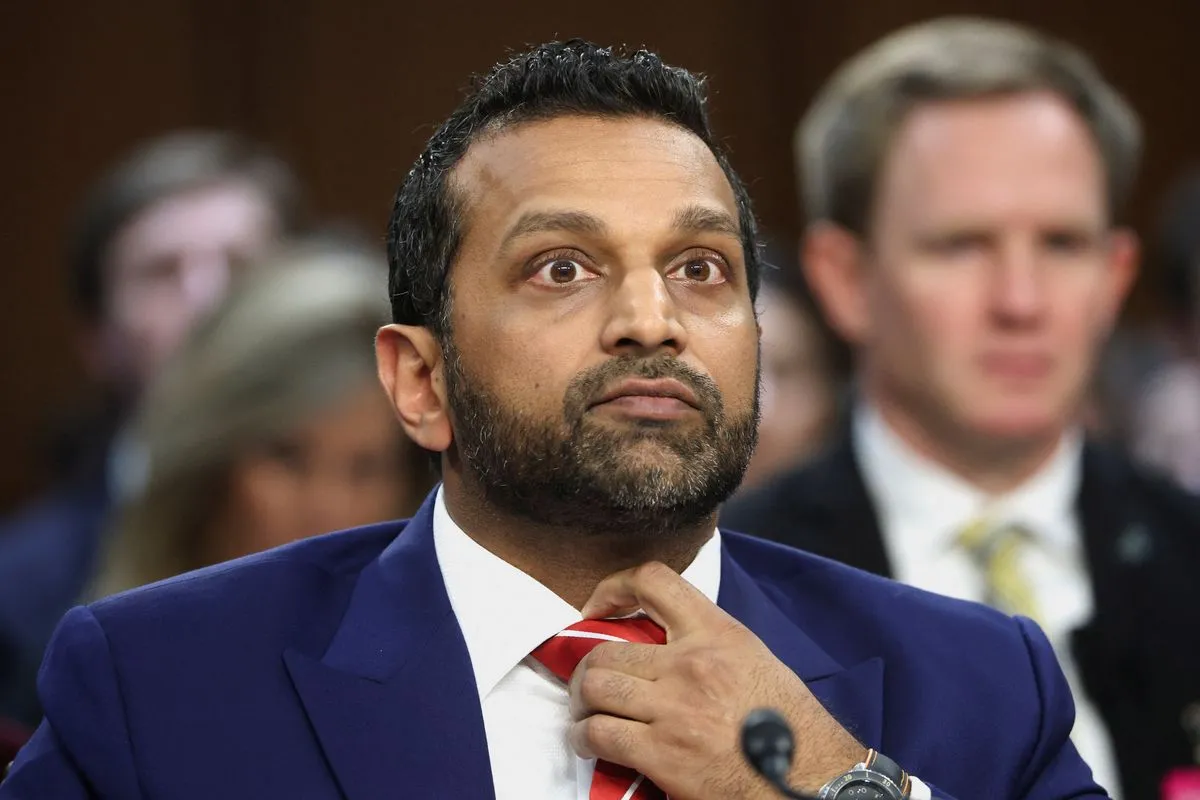
On March 27, 2026, the cybersecurity landscape was shaken by the revelation that a pro-Iranian hacking group, known as the Handala Hack Team, had successfully breached the email account of FBI Director Kash Patel. This incident marks a significant escalation in the ongoing cyber warfare between foreign actors and U.S. officials, particularly those associated with the Trump administration.
Details surrounding the breach are still emerging, but it has been confirmed that the hackers published sensitive materials, including photos and documents taken from Patel’s account. The stolen emails reportedly span a timeline from 2011 to 2022, raising concerns about the potential implications of such a leak. The FBI has stated that while the breach was serious, no government information was compromised, characterizing it as a compromise of personal information rather than a direct attack on FBI systems.
The breach was reportedly a retaliatory act by the Handala Hack Team, who claimed their actions were in response to a missile strike that killed 168 children in Iran. This context underscores the geopolitical tensions that often fuel cyberattacks, as foreign hackers leverage personal data to make political statements or exert pressure on U.S. officials.
In a statement regarding the breach, an FBI spokesperson noted, “The FBI is aware of malicious actors targeting Director Patel’s personal email information, and we have taken all necessary steps to mitigate potential risks associated with this activity.” This acknowledgment highlights the ongoing threat posed by foreign hackers, particularly those linked to Iran’s Ministry of Intelligence and Security, which has been implicated in previous attacks on Patel.
This is not the first time Patel’s private information has been targeted; in late 2024, he was informed that he had been specifically targeted as part of an Iranian hacking operation. The persistence of these attacks raises questions about the effectiveness of current cybersecurity measures and the vulnerabilities that still exist within the personal accounts of high-ranking officials.
In response to the breach, the FBI has offered a $10 million reward for information leading to the identification of the Handala Hack Team, emphasizing the seriousness with which they are treating this incident. The breach involved a range of personal, business, and travel correspondence, further complicating the situation for Patel and potentially exposing sensitive information that could be exploited.
As the investigation unfolds, details remain unconfirmed regarding the exact timing of the hack and the full extent of the information that may have been compromised. The implications of this breach extend beyond Patel himself, as it reflects broader vulnerabilities in the cybersecurity infrastructure protecting U.S. officials from foreign interference.
The Kash Patel email breach serves as a stark reminder of the ongoing battle against cyber threats and the need for robust defenses against foreign hacking efforts. As the FBI continues its investigation, the stakes remain high for those involved, and the repercussions of this breach could resonate throughout the political landscape.