Introduction
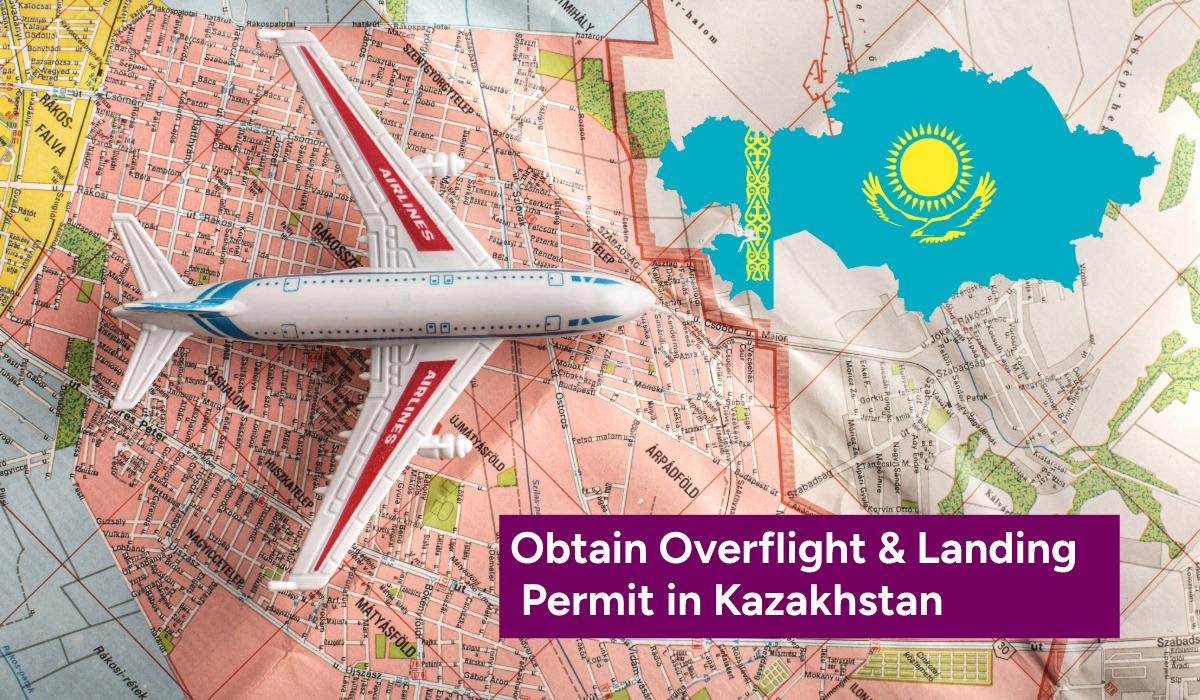
Kazakhstan, the world’s largest landlocked country, is located in Central Asia and has become a focal point of discussion in global politics, economics and cultural exchange. As the ninth largest country by land area, its strategic position serves as a bridge between Europe and Asia, making it crucial for trade and international relations. With growing economic prospects and a rich heritage, Kazakhstan is increasingly significant in international dialogue.
Current Events and Economic Landscape
In recent months, Kazakhstan has demonstrated resilience amidst global economic challenges. The nation’s GDP growth rate is projected to be around 3.5% for 2023, showing recovery after the impacts of the COVID-19 pandemic. Moreover, the government’s focus on diversifying the economy beyond dependency on oil and gas has led to substantial investments in renewable energy and agriculture. Notably, Kazakhstan has set ambitious targets to increase the share of renewable energy sources to 50% by 2050.
In June 2023, President Kassym-Jomart Tokayev announced a series of reforms aimed at enhancing foreign investment, improving the business climate, and increasing the country’s competitiveness. This includes simplifying regulations for starting businesses and lowering barriers for foreign investors. Additionally, the strategic location along the Belt and Road Initiative has fortified Kazakhstan’s position as a transit hub for freight and trade in the region.
Cultural Richness and Diversity
The cultural landscape of Kazakhstan is as diverse as its geography, hosting a mixture of ethnic groups and traditions. As the country celebrates its independence, which it achieved in 1991, the spirit of unity and cultural pluralism resonates in its capital, Nur-Sultan. The city showcases modern architectural designs intertwined with historical elements, symbolising the nation’s journey from its storied past to a dynamic future.
As of 2023, Kazakhstan has also been focusing on improving its international image through soft power initiatives. The establishment of the “Cultural Heritage Programme” aims to preserve historical sites while promoting contemporary culture, including art and music festivals, to further attract tourism.
Conclusion
Kazakhstan stands at a crossroads of opportunity, with robust economic growth forecasts and a rich cultural heritage that continues to attract global attention. As the nation embraces reforms and diversifies its economy, it is poised to play an increasingly vital role in international affairs. For readers keen to follow developments in Central Asia, Kazakhstan represents not only a region of historical significance but also a land of future potential.