How it unfolded
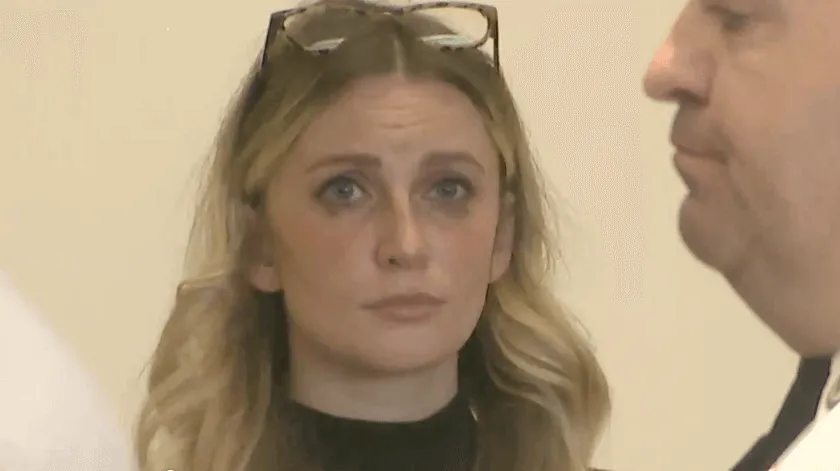
On June 30, 2025, a tragic incident unfolded in Lawrence, Massachusetts, involving Kelsey Fitzsimmons, a 29-year-old police officer with the North Andover Police Department. Fitzsimmons was being served a restraining order filed by her then-fiancé when she was shot in the chest by fellow officer Pat Noonan. This shocking event not only raised questions about police conduct but also highlighted the often-overlooked issues surrounding mental health within law enforcement.
In the aftermath of the shooting, Fitzsimmons faced significant challenges. She spent over 100 days in jail before her trial began, a period during which she underwent two surgeries and spent weeks recovering in the hospital due to her injuries. The emotional and physical toll of the incident was compounded by the fact that she was a new mother, with her son only four months old at the time of the shooting.
As the trial approached, Fitzsimmons opted for a bench trial instead of a jury trial, a decision that her attorney, Jennifer Roman, noted could lead to a faster resolution. This choice reflects the complexities of her case, which involves not only the legal implications of the shooting but also the mental health crisis that Fitzsimmons claims led to her actions. She has pleaded not guilty to the single charge of assault with a dangerous weapon.
The courtroom drama intensified as testimonies unfolded. Officer Noonan, who shot Fitzsimmons, reportedly exclaimed, “Kelsey, don’t do it,” moments before the gunfire erupted. This statement, along with the chilling words of witness Timothy Bradl, who recalled, “‘Kelsey, no. Kelsey, no.’ You don’t say that when you’re staring at the muzzle of a gun pointed at you,” paints a vivid picture of the chaotic moments leading up to the shooting.
Prosecutors, led by James Gubitose, have framed the case around the assertion that Fitzsimmons raised the gun and pointed it at Officer Noonan, a critical point that will likely influence the trial’s outcome. The prosecution’s narrative suggests a clear act of aggression, while Fitzsimmons’ defense centers on her mental health struggles and the context of the restraining order, which she claims contributed to her state of mind at the time.
Currently, Fitzsimmons remains suspended from her position as a police officer, a situation that adds another layer of complexity to her case. The implications of this trial extend beyond Fitzsimmons herself, touching on broader issues of mental health support for law enforcement personnel and the protocols surrounding the use of firearms in high-stress situations.
As the trial progresses, the community watches closely, aware that the outcome could set precedents for how similar cases are handled in the future. The intersection of mental health and law enforcement is a critical discussion point, as many advocate for better support systems for officers facing personal crises.
Details remain unconfirmed regarding the potential repercussions of the trial’s outcome on Fitzsimmons’ career and personal life. As the legal proceedings continue, the case serves as a stark reminder of the vulnerabilities faced by those in law enforcement, particularly when personal struggles intersect with professional responsibilities.