Key moments
On March 16, 2026, the Kennedy Center board members voted unanimously to approve a major renovation plan that will result in the center’s closure for two years. This decision comes under the leadership of Donald Trump, who appointed himself as chair of the board and dismissed all previous members to install a new team, which includes prominent figures such as Usha Vance, Allison Lutnick, and Susie Wiles, Trump’s chief of staff.
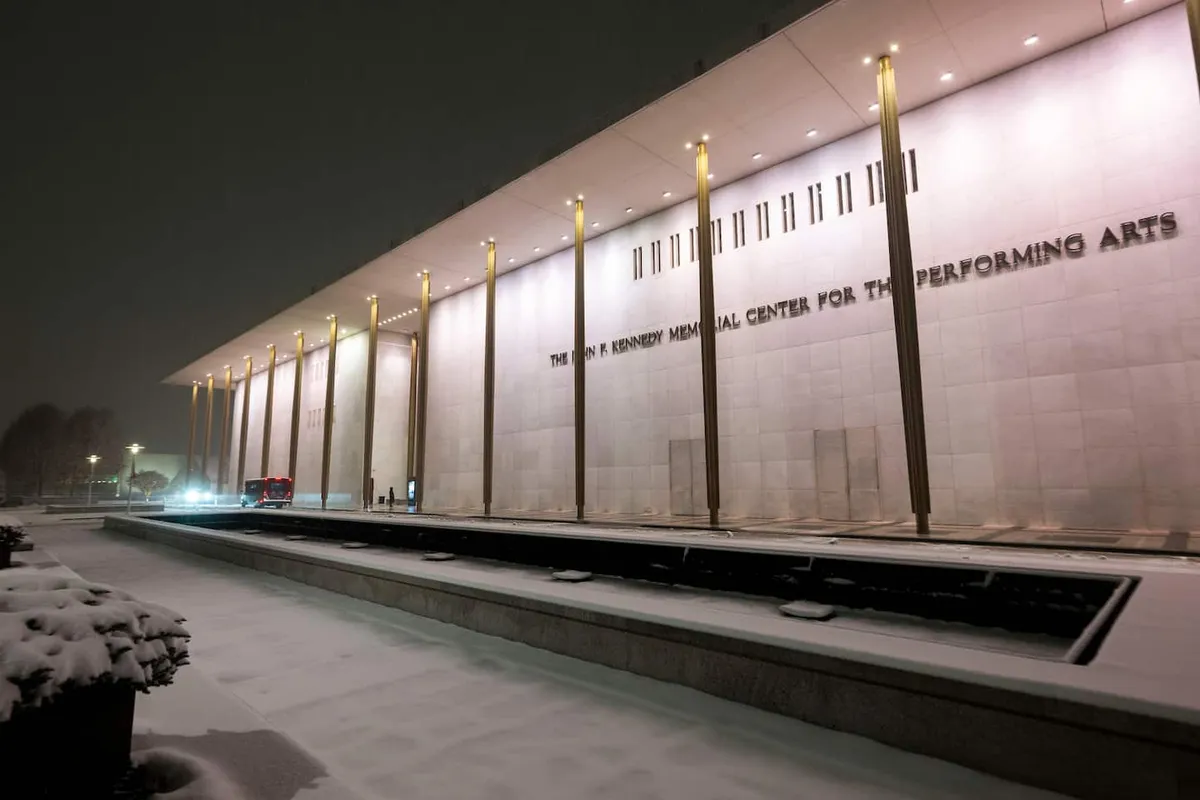
The board’s decision to renovate the Kennedy Center is estimated to cost $257 million and will involve a complete overhaul of the building’s systems, including HVAC and electrical infrastructure. The center plans to shut down after a July 4 celebration, marking a significant transition for the venue, which has served as a cultural hub in Washington, D.C.
Since Trump’s appointment as chair, ticket sales at the Kennedy Center have reportedly decreased, raising concerns about the center’s financial health. The board meeting, which took place at the White House, has drawn attention not only for its decisions but also for the political implications surrounding Trump’s involvement.
In a statement regarding the renovations, Trump remarked, “The place is falling down,” indicating a sense of urgency behind the board’s actions. However, the process has not been without controversy. Representative Joyce Beatty has filed a lawsuit against the board, arguing against the closure and renovation process, stating, “I was very clear in advising them that while I’m not against renovations, if they need to be done, I am totally against the process.” This legal challenge highlights the tensions surrounding the board’s decisions.
Deborah Borda, a key figure in the performing arts community, expressed her concerns about the impact of the closure, stating, “The harms from a closure of the Kennedy Center at the scale and on the timeline announced are severe, immediate, and cannot be quickly reversed.” The closure is expected to have significant repercussions for the performing arts community, which relies heavily on the center for performances and events.
Details remain unconfirmed regarding the exact timeline for the renovation and closure, as well as the potential impact on the National Symphony Orchestra, which has a longstanding relationship with the Kennedy Center. The center, designated by Congress as a living memorial to John F. Kennedy, has been a vital part of the cultural landscape for nearly 50 years.
As the Kennedy Center prepares for this major transition, the future of its programming and the broader implications for the arts community remain uncertain. The board’s actions have set a precedent for how cultural institutions may navigate leadership changes and renovation projects in the future.