What does the premiere of La Oficina reveal about the evolution of workplace comedies? The new series, which debuted on March 13, 2026, on Prime Video, offers a fresh perspective by setting the story in a family-owned soap factory in Aguascalientes, Mexico.
La Oficina is a Mexican adaptation of the iconic series The Office, which originally aired in the UK from 2001 to 2003 and was later adapted in the U.S. The new show consists of eight episodes, all available for binge-watching, and aims to reinterpret the franchise’s signature cringe comedy through a distinctly Mexican lens.
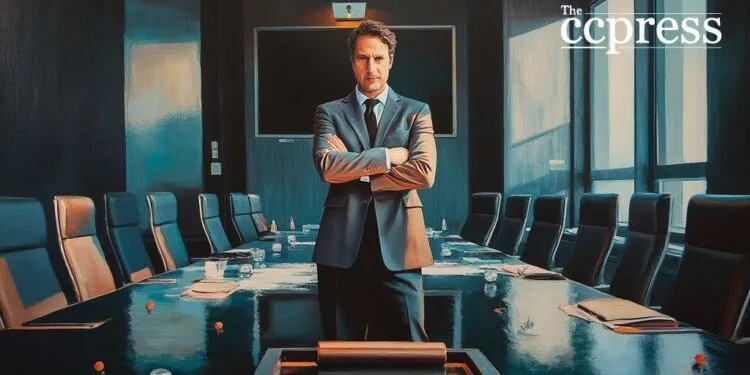
Directed by Gaz Alazraki, known for his work on Club de Cuervos, the series features Fernando Bonilla as Jerónimo Ponce III, the incompetent heir to the family business. The character embodies the awkwardness and humor that fans of the franchise have come to expect, while also adding a unique cultural flavor.
As noted by Forbes, “By moving the setting to Aguascalientes and centering the story on a family-run manufacturing business, La Oficina aims to capture the office worker culture of Mexico while staying true to the irreverent, fly-on-the-wall spirit of the original BBC creation.” This approach not only highlights local office dynamics but also infuses the narrative with distinctly Mexican humor and family business drama.
The adaptation is part of a broader trend, as The Office has inspired over a dozen international versions worldwide. Each adaptation reflects its respective culture, and La Oficina is no exception, promising to resonate with Mexican audiences.
Details remain unconfirmed about the show’s reception and potential future seasons, but the initial buzz suggests that it may successfully carve out its niche within the franchise. The combination of familiar comedic elements with local cultural nuances could attract both fans of the original series and new viewers alike.
As the series gains traction, it will be interesting to see how it influences the portrayal of workplace dynamics in Mexican media and whether it will lead to further adaptations in other cultural contexts.