Key moments
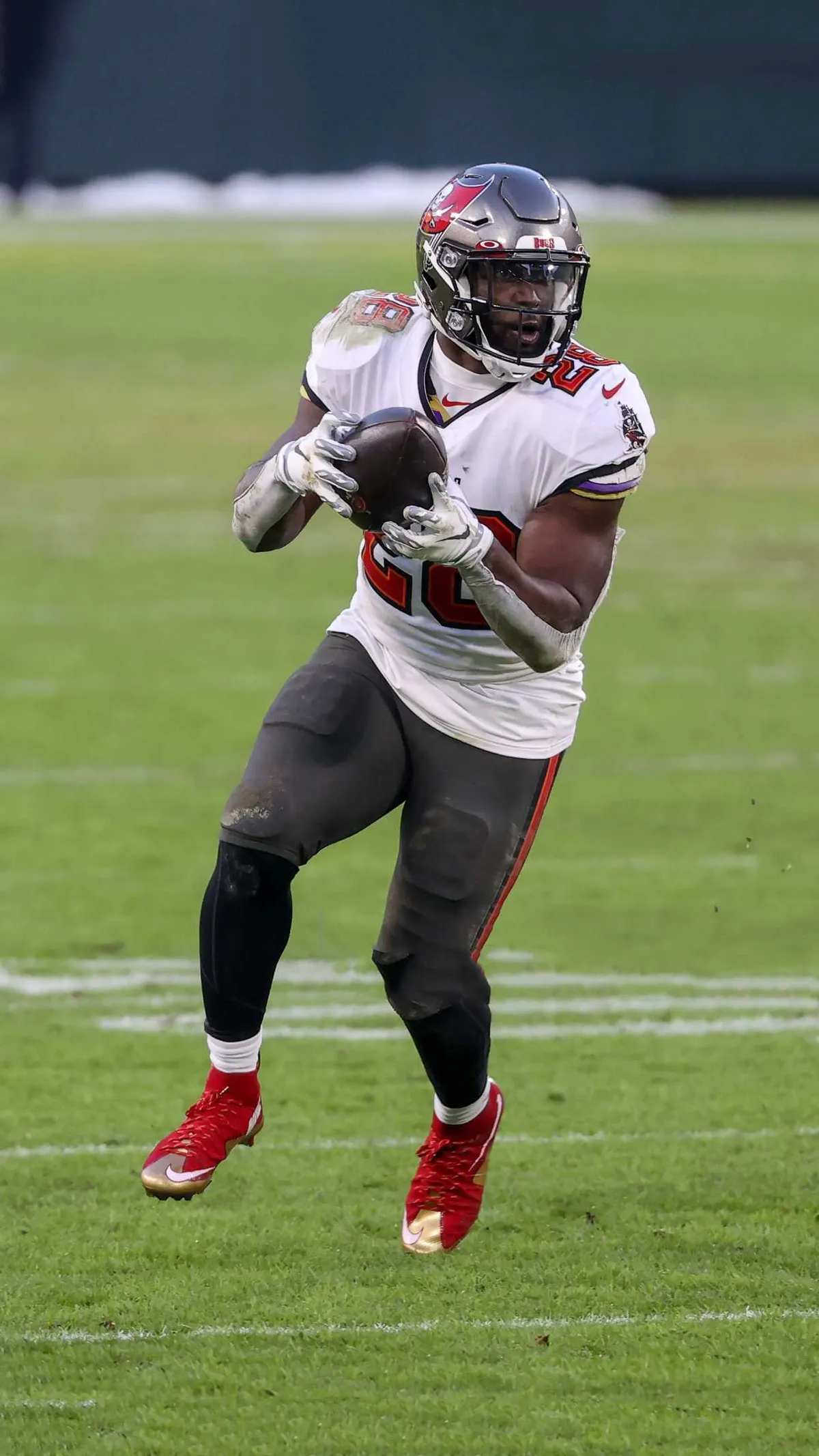
In a surprising turn of events on March 23, 2026, Leonard Fournette, the former fourth overall pick in the 2017 NFL Draft, publicly criticized sports commentator Emmanuel Acho for his lack of credentials in discussing football. This feud has sparked significant attention, particularly as it touches on the broader dynamics of player commentary and analysis in the NFL.
Fournette’s remarks came during an episode of his podcast, “4th and South,” where he took issue with Acho’s qualifications to critique players and coaches, specifically targeting the Cleveland Browns’ head coach, Kevin Stefanski. Fournette stated, “You remind me of that Boondocks character… Uncle Ruckus. It’s Uncle Ruckus all over again,” indicating his disdain for Acho’s commentary style and approach.
The immediate backdrop of this feud is rooted in Acho’s previous comments regarding the Browns’ performance, particularly their disappointing average of 16.5 points per game in 2025, which ranked them 31st in the NFL. This statistic has been a point of contention, as it reflects not only on the team’s struggles but also on the scrutiny faced by its coaching staff. Acho questioned how Todd Monken could effectively lead the locker room, raising eyebrows among players and analysts alike.
Fournette’s defense of the Browns and their coaching staff highlights a growing divide between players and commentators. The former LSU star’s critique of Acho is not just a personal attack; it reflects a larger frustration among athletes regarding the narratives constructed by media figures who may not have extensive playing experience. While Acho played four seasons in the NFL, appearing in only 20 games and recording 33 tackles, Fournette’s pedigree as a top draft pick adds weight to his argument.
The feud has also drawn reactions from other players and commentators. Benjamin Watson, a former NFL tight end, responded to Acho’s comments by stating, “This is dumb. And loud. You listen to Todd Monken because he is your head coach. It’s your job.” This sentiment echoes a common frustration among players who feel that external critiques can undermine their efforts and the complexities of team dynamics.
Furthermore, Taylor Lewan, another NFL player, weighed in, remarking, “If you’re a young football player in the NFL, this is the worst possible mindset to have.” This highlights a growing concern within the league about the impact of public criticism on young athletes and their development. The tension between Fournette and Acho serves as a microcosm of the challenges faced by players in navigating media narratives.
As the feud continues to unfold, it raises questions about the role of commentators in sports and their responsibility to provide informed analysis. With Fournette’s strong stance against Acho, it is evident that players are increasingly willing to defend their coaches and teammates against perceived unjust criticism. Details remain unconfirmed about any potential resolution between the two, but the implications of this feud are likely to resonate throughout the NFL community.