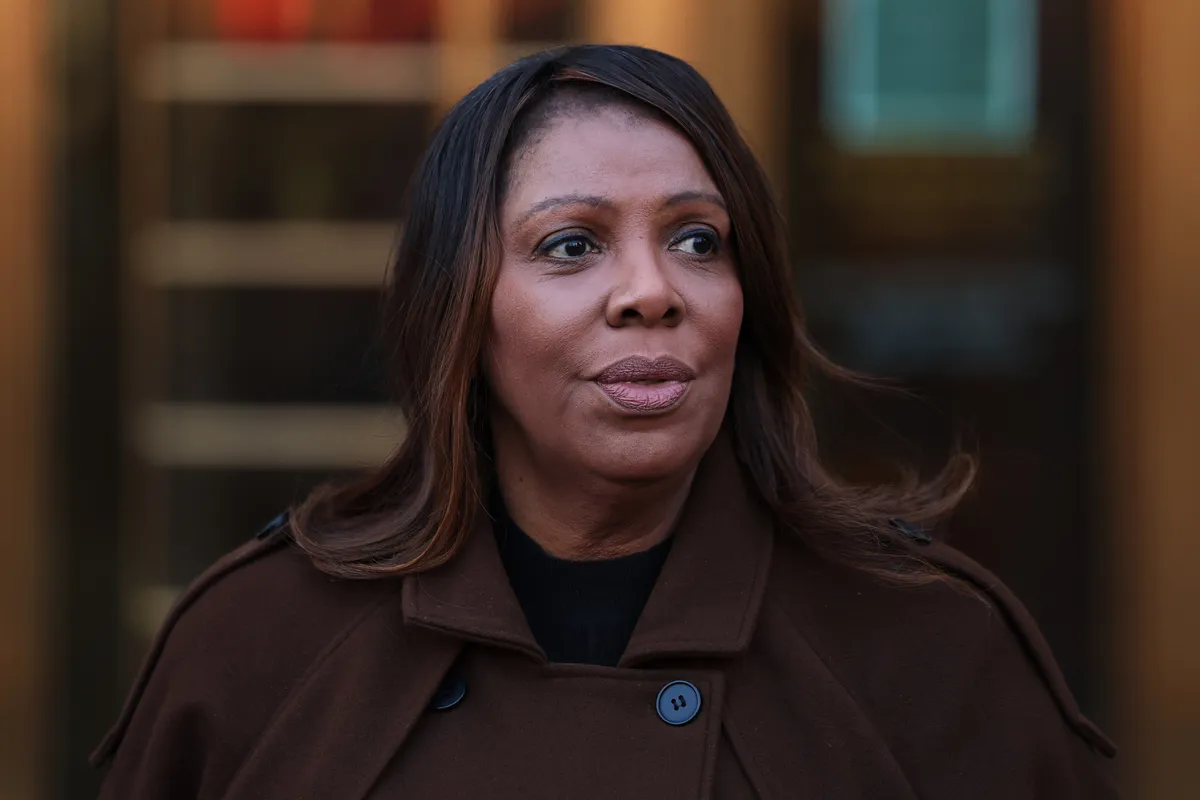
Who is involved
Letitia James, the New York Attorney General, has found herself embroiled in a new controversy as Bill Pulte, a businessman and activist, filed criminal referrals against her for alleged insurance fraud. This development marks a significant shift from a period where James was primarily known for her legal battles against former President Donald Trump, including a notable fraud lawsuit that resulted in a judgment against him. The prior expectation was that James would continue her political career largely unscathed, bolstered by her previous successes in high-profile cases.
However, the landscape has changed dramatically with Pulte’s recent actions. He has sent referrals to U.S. Attorneys in Florida and Illinois, claiming that James made misrepresentations in her home insurance filings. Specifically, Pulte alleges that James falsely represented the occupancy status of her properties in Virginia and Florida, stating that they would be unoccupied for significant portions of the year when, in fact, they were occupied year-round. This decisive moment has reignited scrutiny over James’s past, particularly her previous indictment on mortgage fraud charges, which were ultimately dismissed.
The implications of Pulte’s referrals are substantial. If the U.S. Attorneys choose to pursue these allegations, it could lead to renewed legal challenges for James, who has already faced unsuccessful prosecution attempts by the Justice Department on three separate occasions. Pulte’s claims are reportedly based on information disseminated through social media, particularly posts by attorney and media personality Mike Davis. This raises questions about the reliability of the sources fueling these allegations.
Experts in legal and political fields suggest that the timing of Pulte’s referrals may not be coincidental. James’s attorney, Abbe D. Lowell, has accused the Trump administration of pursuing a vendetta against her, framing these latest allegations as desperate tactics that will ultimately fail, just as previous attempts to charge her have. Lowell’s assertion underscores the contentious political environment surrounding James, who has positioned herself as a fierce opponent of Trump.
In a statement, Pulte articulated his concerns, saying, “It appears Ms. James made representations that the house would be occupied by a single adult, with no children. Instead, according to the post, she knew the house was actually occupied by four people — three children and her niece.” This quote encapsulates the crux of the allegations against James, highlighting the potential legal ramifications if these claims are substantiated.
Moreover, the referrals allege that James’s properties were occupied year-round, contrary to her claims that they would be unoccupied for five months out of the year. This contradiction, if proven true, could have serious implications for her credibility and legal standing. James’s attorney has pointed out that previous attempts to charge her have failed, suggesting that this latest round of allegations may also lack the necessary evidence to succeed.
As the situation unfolds, it remains to be seen how the Justice Department will respond to Pulte’s referrals. The political stakes are high, not only for James but also for Pulte, who has previously referred her for prosecution on mortgage fraud charges. The intertwining of legal and political narratives in this case illustrates the complexities of modern American politics, where personal vendettas and legal battles often collide.
Details remain unconfirmed, but the ongoing saga surrounding Letitia James continues to captivate public attention, raising questions about accountability and the intersection of law and politics in the United States.