Introduction
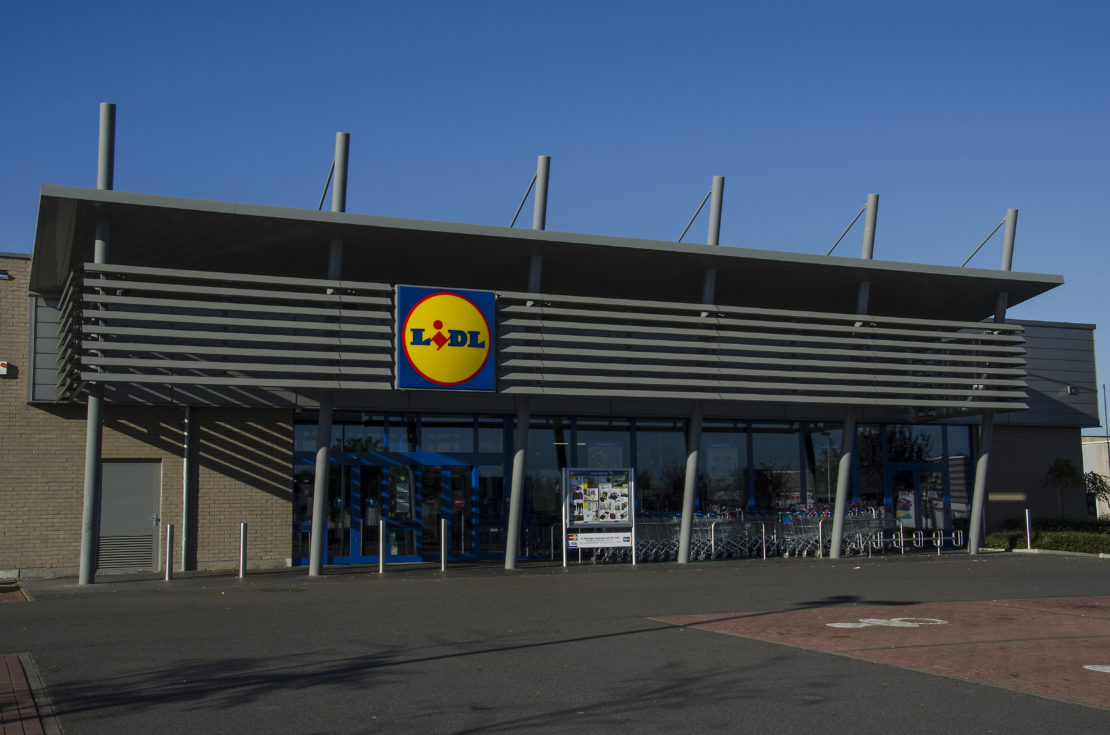
Lidl, the German discount supermarket chain, has been making waves in the UK grocery market with its aggressive expansion strategy and competitive pricing. Established in 1973, Lidl has grown to become one of the leading supermarket chains in Europe, and its rapid growth in the UK highlights the changing dynamics of grocery shopping, especially amidst the cost-of-living crisis impacting many households.
Lidl’s Expansion Strategy
According to reports, Lidl has committed to significantly increasing its presence in the UK, with plans to open 1,000 stores by 2025. As of October 2023, Lidl operates over 900 stores nationwide, providing consumers with an extensive range of products at lower prices compared to traditional supermarkets.
The supermarket chain’s formula of high-quality products at affordable prices has resonated well with British consumers, particularly in the wake of soaring inflation and increasing food costs. Lidl’s promotional strategies, including special weekly offers and an enhanced fresh food selection, have further solidified its position in the market.
Financial Performance
Lidl’s parent company, Schwarz Group, reported an impressive rise in turnover, with Lidl UK contributing significantly. Between 2022 and 2023, the company saw a 10% increase in sales, as customers increasingly turned to discount retailers in search of value. Analysts suggest that Lidl’s focus on sustainability, including reducing plastic waste and supporting local suppliers, has also enhanced its appeal.
Challenges and Competition
While Lidl is thriving, it faces stiff competition from rival chains such as Aldi, Tesco, and Sainsbury’s. The competitive grocery sector is characterised by price wars, loyalty schemes, and the ongoing shift toward online shopping. As Lidl continues to expand, it will need to adapt its strategies to maintain customer loyalty in this dynamic environment.
Conclusion
Lidl’s aggressive growth strategy and value-oriented approach are reshaping the grocery market in the UK. With the possibility of new store openings and an increasing focus on sustainability, Lidl may further solidify its market position over the next few years. As consumer behaviour evolves and competition ramps up, Lidl’s ability to innovate and meet customer needs will be crucial for its continued success. For shoppers, the rise of Lidl represents an important positive shift towards more affordable grocery options amid challenging economic conditions.