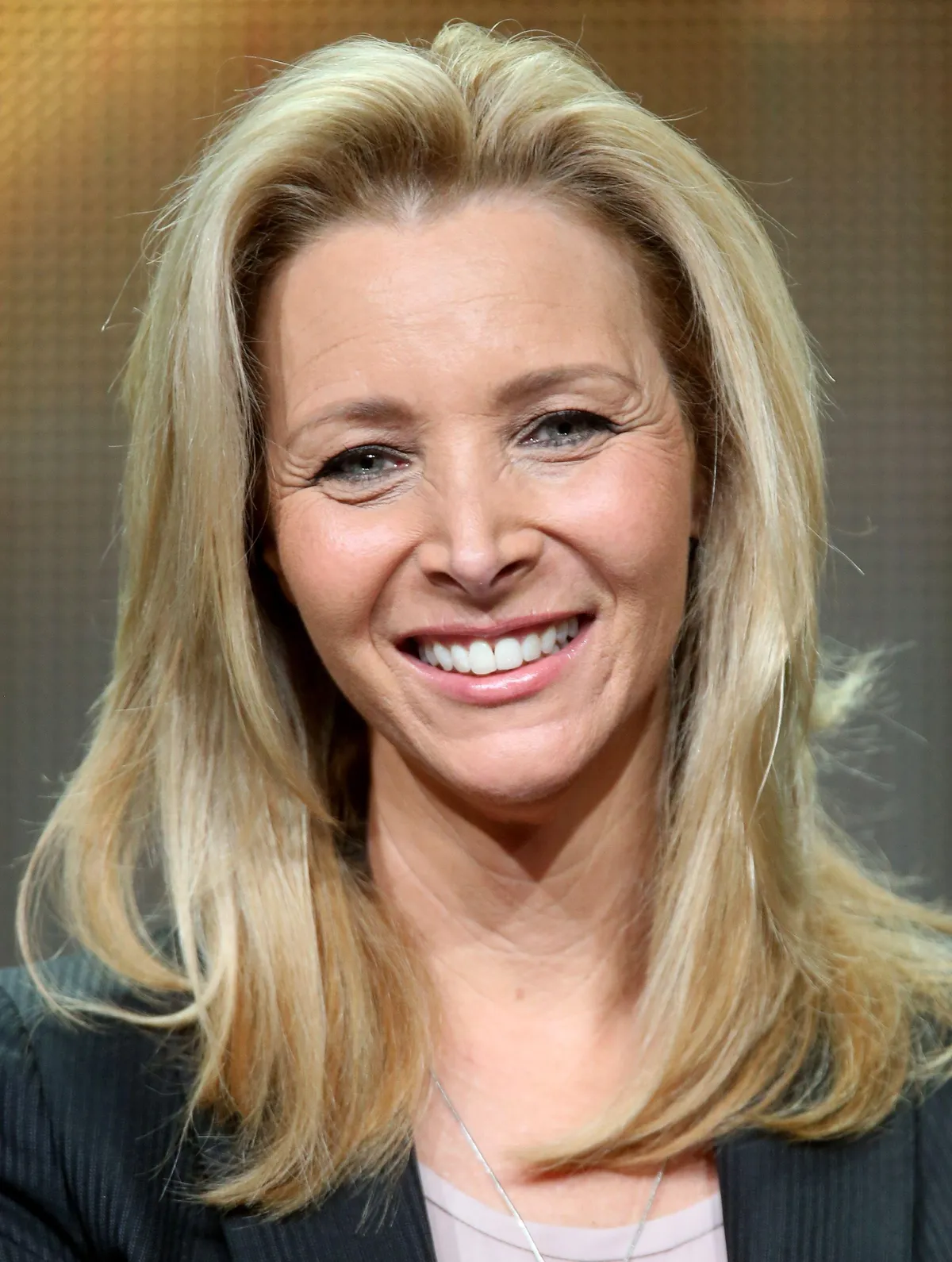
Who is involved
Before the resurgence of Lisa Kudrow’s career with her role in The Comeback, expectations were firmly rooted in her iconic portrayal of Phoebe Buffay on the beloved sitcom Friends. The show, which aired from 1994 to 2004, solidified Kudrow’s status as a comedic talent and a household name. At just 30 years old, when Friends concluded, Kudrow was already a defining figure in television comedy, celebrated for her quirky and endearing character. However, the landscape of television was shifting, and many wondered how Kudrow would navigate this new terrain.
The decisive moment came in 2005 when Kudrow co-created and starred in The Comeback. This show, which debuted on June 5, 2005, marked a significant departure from her previous work. It was a satirical take on the entertainment industry, showcasing Kudrow as Valerie Cherish, a washed-up TV actress attempting to revive her career. The show initially struggled, but after a nine-year hiatus, it was renewed for a third season, demonstrating a remarkable change in audience perception and the industry’s embrace of more complex, self-referential comedy.
The immediate effects of this shift were profound for Kudrow. She transitioned from being primarily recognized for her role in Friends to being acknowledged as a versatile performer capable of leading a show that critiqued the very industry that had made her famous. Her portrayal of Valerie Cherish, characterized by chaotic catchphrases and earnestness, resonated with audiences and critics alike. Jennifer Aniston, Kudrow’s co-star from Friends, remarked, “She breaks my heart. She also makes me laugh. She is relatable, lovable and adored,” highlighting the depth and appeal of Kudrow’s performance.
Experts have noted that Kudrow’s work in The Comeback reflects major shifts in the entertainment industry, particularly the rise of meta-comedy and the acceptance of flawed characters. Courteney Cox, another Friends alum, commented, “Lisa Kudrow as Valerie is so funny because she is so earnest,” underscoring how Kudrow’s ability to blend humor with vulnerability has set her apart in a crowded field of comedic performers.
Moreover, Kudrow’s evolution can be seen as emblematic of broader trends in television. The success of shows like The Comeback has paved the way for more nuanced storytelling and character development, allowing actors to explore roles that challenge traditional archetypes. This shift has not only benefited Kudrow but has also influenced a new generation of performers who seek to break free from the constraints of typecasting.
As Kudrow continues to navigate her career, her ability to adapt and reinvent herself remains a focal point of discussion among industry insiders. Michael Patrick King, co-creator of The Comeback, posed an intriguing question: “What if Valerie stars in a multicam written by AI?” This reflects the ongoing conversation about the future of comedy and the role of technology in shaping narratives.
In summary, Lisa Kudrow’s journey from Phoebe Buffay to Valerie Cherish illustrates a significant evolution in her career and the television landscape. Her ability to embrace change and challenge expectations has not only revitalized her own career but has also contributed to the ongoing transformation of the entertainment industry.