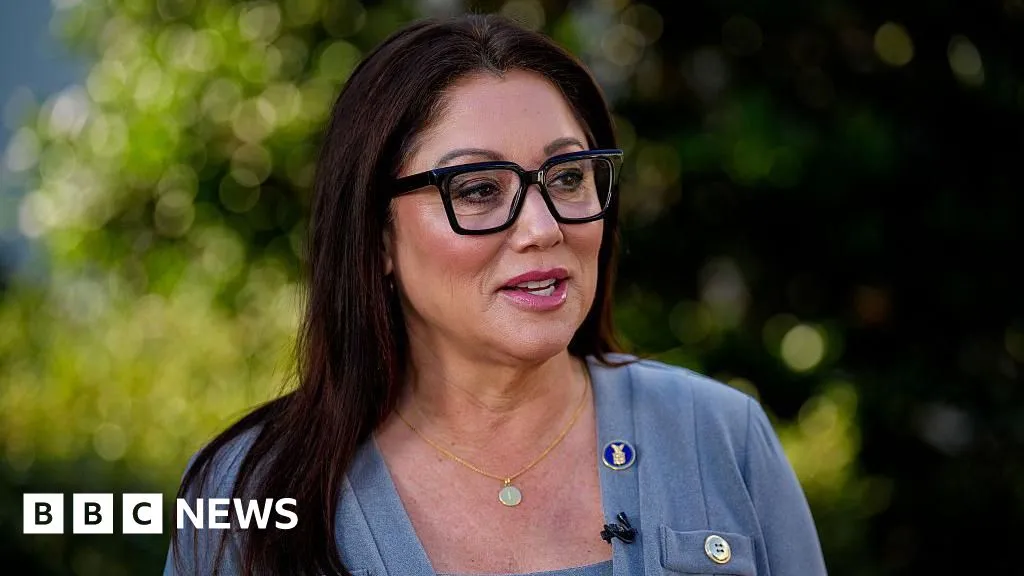
Lori Chavez-DeRemer resigned as Secretary of Labor on April 20, 2026. Her departure comes in the wake of multiple scandals and an internal investigation that raised serious questions about her conduct.
Chavez-DeRemer, who was confirmed in a 67-32 vote in March 2025, faced allegations of having an affair with a subordinate and consuming alcohol while on the job. Such accusations are not merely personal failings; they reflect broader issues within the administration.
Keith Sonderling has been announced as the acting Secretary of Labor following her resignation. This marks a significant shift, as Chavez-DeRemer is now the third Trump Cabinet member to leave their post in 2026 — a trend that raises eyebrows.
During her time in Congress, Chavez-DeRemer was known for supporting legislation aimed at making it easier for employees to unionize. Her father’s membership in the International Brotherhood of Teamsters may have influenced her stance on labor issues.
The White House had viewed her as an effective spokesperson for President Trump’s economic message — a role she filled with vigor until recent events overshadowed her achievements.
Steven Cheung stated that “Labor Secretary Lori Chavez-DeRemer will be leaving the Administration to take a position in the private sector.” He also praised her efforts, claiming she had done a phenomenal job protecting American workers and enacting fair labor practices.
But how does one reconcile such praise with the circumstances surrounding her exit? The public is left to ponder whether these accolades were genuine or merely damage control.
Chavez-DeRemer’s husband, Shawn DeRemer, was banned from Labor Department headquarters after allegations of inappropriate behavior surfaced. This familial connection adds another layer to the already complex narrative.
As reactions pour in, it remains clear that this resignation is emblematic of deeper fractures within the administration. It raises questions about accountability and leadership during tumultuous times.
Details remain unconfirmed regarding any further implications for the Labor Department or potential successors. The landscape continues to shift as we await further developments.
The fallout from this resignation will likely extend beyond individual careers; it could influence public perception of labor policies under this administration.