The sadness of Lionel Messi’s last tango - The Athletic - The New York Times
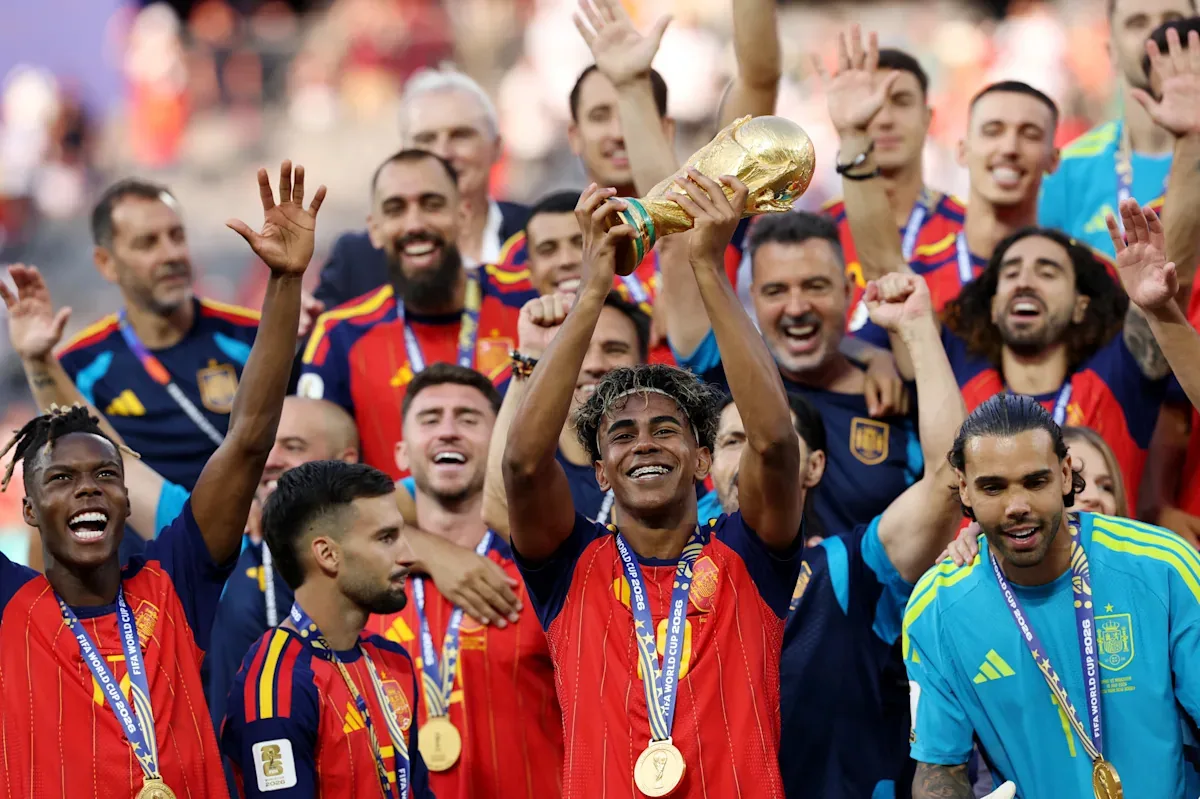
Spain secures World Cup title
Spain claimed the World Cup title after defeating Argentina 1-0 in the final held in New Jersey. The decisive goal came in the 106th minute from Ferran Torres, securing Spain‘s second men’s World Cup victory. This win follows their triumph against the Netherlands in 2010.
The match was a hard-fought contest, extending to 120 minutes. Spain‘s coach, Luis de la Fuente, emphasized maintaining focus until the final moments. Rodri, Spain‘s captain, was awarded the Golden Ball as the tournament’s MVP, while Unai Simon earned the Golden Glove as the best goalkeeper.
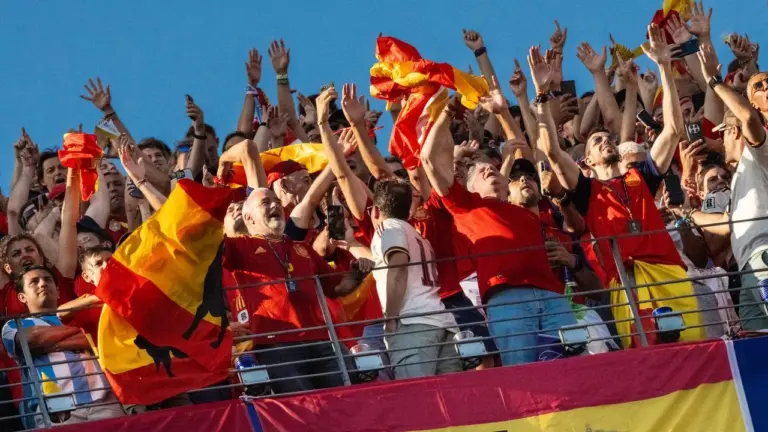
Upon their return to Madrid, La Roja received a hero’s welcome at Barajas airport. More than a million people were anticipated to gather in central Madrid for the celebrations. The team’s itinerary included visits to King Felipe and Queen Letizia at the Zarzuela palace, and a meeting with Prime Minister Pedro Sánchez at the Moncloa palace.
Messi’s final World Cup appearance
The final marked what is likely Lionel Messi‘s last appearance in a World Cup. Following the final whistle, Messi was seen surrounded by fans and photographers, appearing dejected. He later led his team to receive their runners-up medals from U.S. President Donald Trump, and was observed weeping as Spain lifted the trophy.
Argentina‘s coach, Lionel Scaloni, acknowledged Spain‘s superiority, stating, “We couldn’t compete head-to-head today when it comes to football.” Messi had limited involvement in the game, touching the ball only once in the initial 15 minutes, and his expected goals (xG) was recorded at 0.03.
The match echoed the 1990 final, where Argentina, then champions, faced West Germany. In that game, Argentina did not register a shot on target and conceded a penalty in the 85th minute. Similarly, in the recent final, Argentina did not produce a shot on goal. Despite the loss, Messi had expressed a sense of accomplishment before the final, noting that he had already “completed the game at the last World Cup in Qatar.”
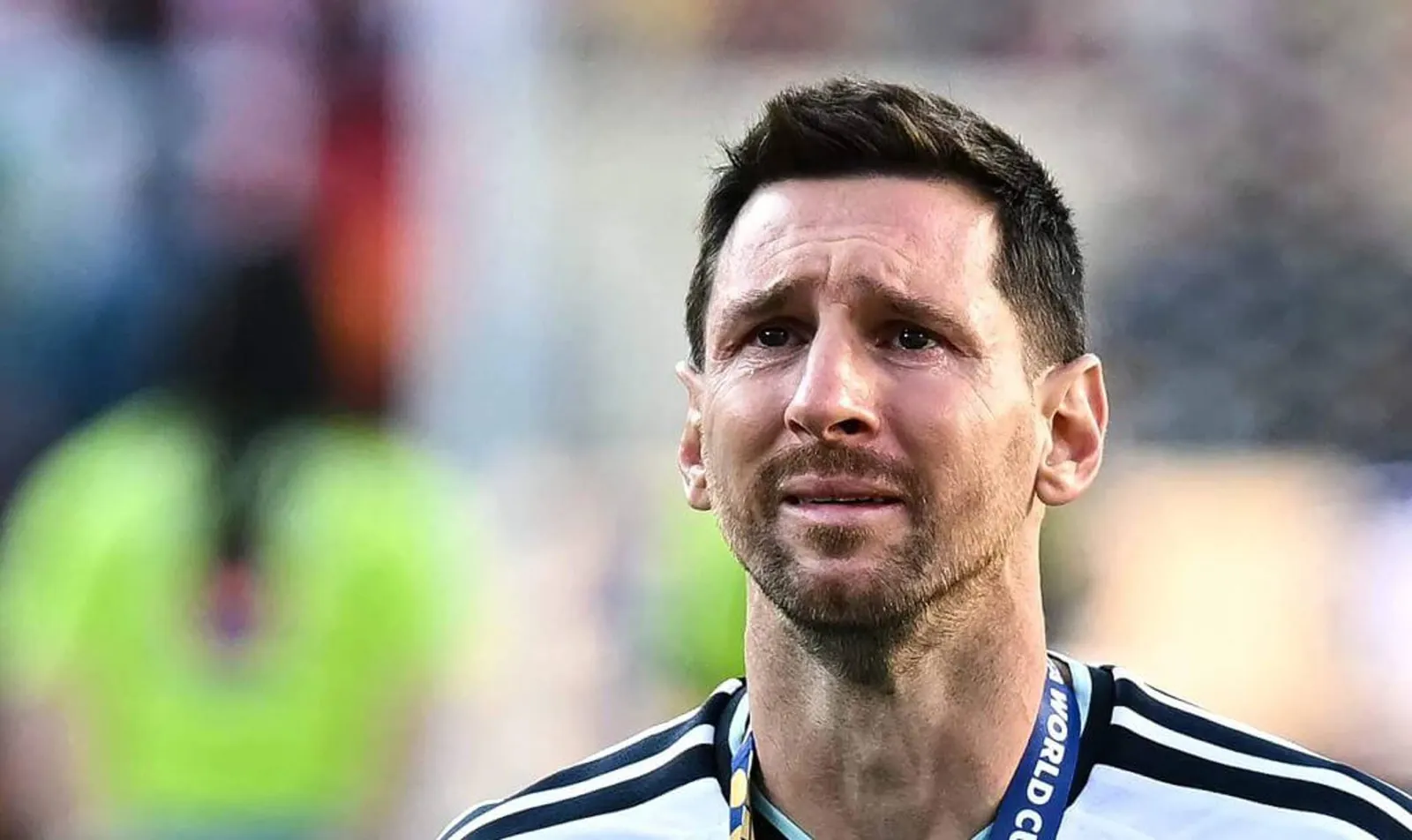
The emotional conclusion for Messi occurred on the biggest stage in America, mirroring where Diego Maradona‘s World Cup career also ended. Messi‘s departure from the tournament was marked by expressions of love and gratitude from fans, rather than exasperation.
Celebrations and future outlook
The victory celebrations for Spain were extensive, with musical events and a parade planned for Madrid. The mayor of Madrid, José Luis Martínez Almeida, highlighted the peaceful nature of the celebrations despite large crowds. The Spanish postal service, Correos, announced a special stamp to commemorate the achievement, featuring the word CAMPEONES and two stars, representing their two World Cup victories.
Spain‘s triumph is seen as a testament to a young and diverse team. Coach Luis de la Fuente remarked that the team has a long way to go, indicating a bright future. The squad included two teenagers, winger Lamine Yamal and center-back Pau Cubarsí, who was named the best young player of the tournament. Spain‘s success extends beyond the men’s team, as their women’s team also secured their first World Cup crown in 2023.
The World Cup final was watched by hundreds of thousands of Spaniards in various public venues across Madrid. The win was enthusiastically received by the country’s political figures, including Prime Minister Pedro Sánchez and opposition leaders, who praised the team’s values and hard work. The special commemorative stamp from Correos will be red and feature two stars.
Source: nytimes.com