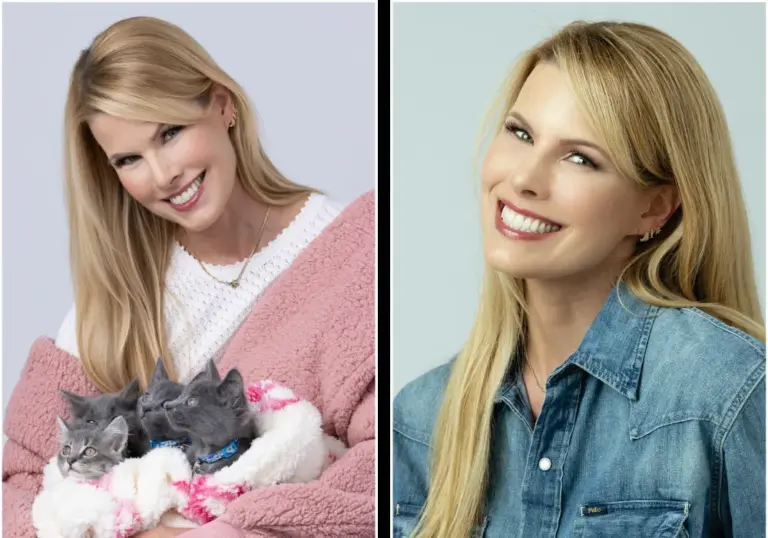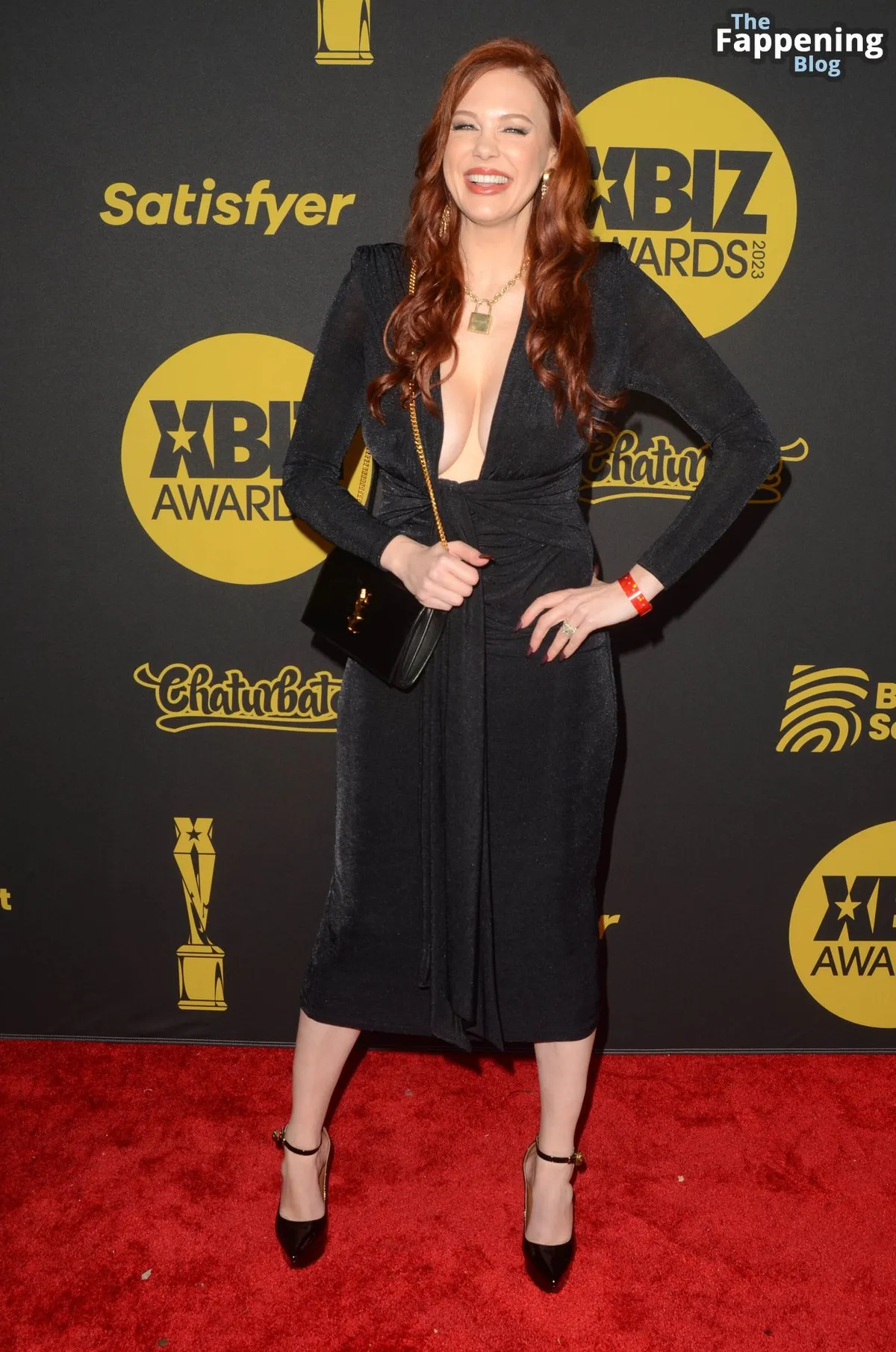
Maitland Ward reveals the unsettling truth about being treated as a ‘product’ in Hollywood during her childhood. Her experiences underscore a troubling reality: young actors often navigate a world designed to exploit rather than nurture. In her own words, Ward describes it as a “factory kind of environment” — where individuality gets lost in the relentless grind of the Hollywood machine.
Ward, now 49, played Rachel McGuire on the beloved 90s show Boy Meets World from 1998 to 2000. Before that, she was known for her role as Jessica Forrester on The Bold and the Beautiful from 1994 to 1996. Yet, behind the scenes, the pressure was immense. Young actors faced expectations to conform and suppress any discomfort they felt.
She recalls feeling ill at ease in her own body during those formative years. “I didn’t think anything was wrong at the time… but I thought that was just me being stupid,” Ward reflects. This sentiment resonates with many who have traversed similar paths in an industry rife with exploitation.
In her memoir, published in 2022, titled Rated X: How Porn Liberated Me from Hollywood, Ward articulates how the industry’s sexualization of young women contributed to a toxic atmosphere. She draws parallels between her experience and that of pop icon Britney Spears, emphasizing the pervasive “twisted male gaze” that defines so much of Hollywood’s landscape.
Ward believes many young actors faced similar treatment — cast aside when they no longer fit the mold or were deemed marketable. This cycle of disposability raises questions about how we value talent versus image in entertainment. The narrative is not just one of individual struggle; it reflects broader societal issues regarding female empowerment and representation.
Looking ahead, Ward’s upcoming show Hollywood Demons: Child Stars Gone Wild, set to premiere on April 27, 2026, aims to shine a light on these very issues. Her story resonates not only with those who experienced similar challenges but also with women grappling with societal pressures today.
As she continues to share her journey, it becomes clear that these conversations are necessary — not just for healing but for creating a more equitable industry for future generations. The stakes are high; change is overdue.