Introduction
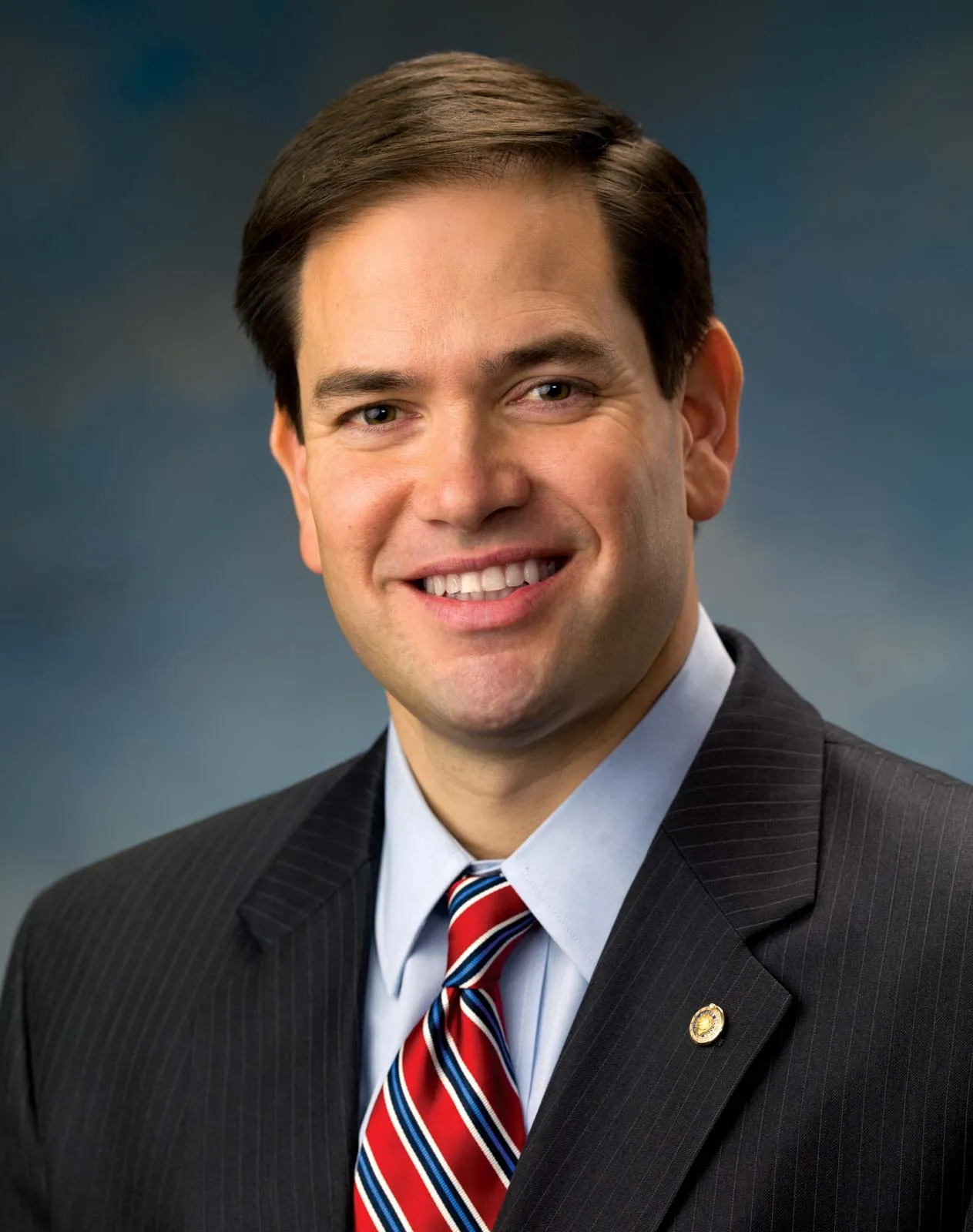
Marco Rubio, the junior United States Senator from Florida, continues to play a significant role in American politics. Since his election to the Senate in 2010, Rubio has been a prominent figure both in the state of Florida and on the national stage. His perspectives on immigration, foreign policy, and healthcare have made him a key player in shaping the political landscape. As the 2024 election approaches, Rubio’s activities and stances are more relevant than ever.
Political Journey
Marco Rubio was born on May 28, 1971, to Cuban immigrant parents in Miami, Florida. He served in the Florida House of Representatives before being elected to the U.S. Senate. Over the years, Rubio has been known for his advocacy of conservative principles, with a focus on free enterprise and national security. His tenure has included significant involvement in the Senate’s Foreign Relations Committee, where he has consistently pushed for a strong U.S. presence globally.
Current Issues
In recent months, Rubio has focused on several crucial issues. Notably, he has taken a strong stance on immigration reform, advocating for securing the southern border while presenting a path to citizenship for certain undocumented immigrants. Additionally, with tensions rising in various parts of the world, Rubio has called for a robust U.S. foreign policy that addresses threats from China and Russia.
During the COVID-19 pandemic, he supported economic relief measures and has been vocal about reopening the economy, highlighting the importance of balancing public health with economic prosperity. His position on vaccines and public health strategies has sparked various debates, which continue to be relevant as the nation navigates post-pandemic recovery.
Conclusion
Marco Rubio’s influence in American politics remains significant, shaped by his extensive experience and passionate advocacy on key issues. As he prepares for the upcoming election cycle, it will be interesting to observe how his positions evolve and the impact he will have on voters in Florida and nationwide. For constituents and political observers alike, Rubio’s actions and decisions will be critical as they reflect ongoing national discussions about immigration, healthcare, and foreign policy. His narrative as a politician provides a window into the complexities of contemporary American governance and the challenges faced by leaders today.