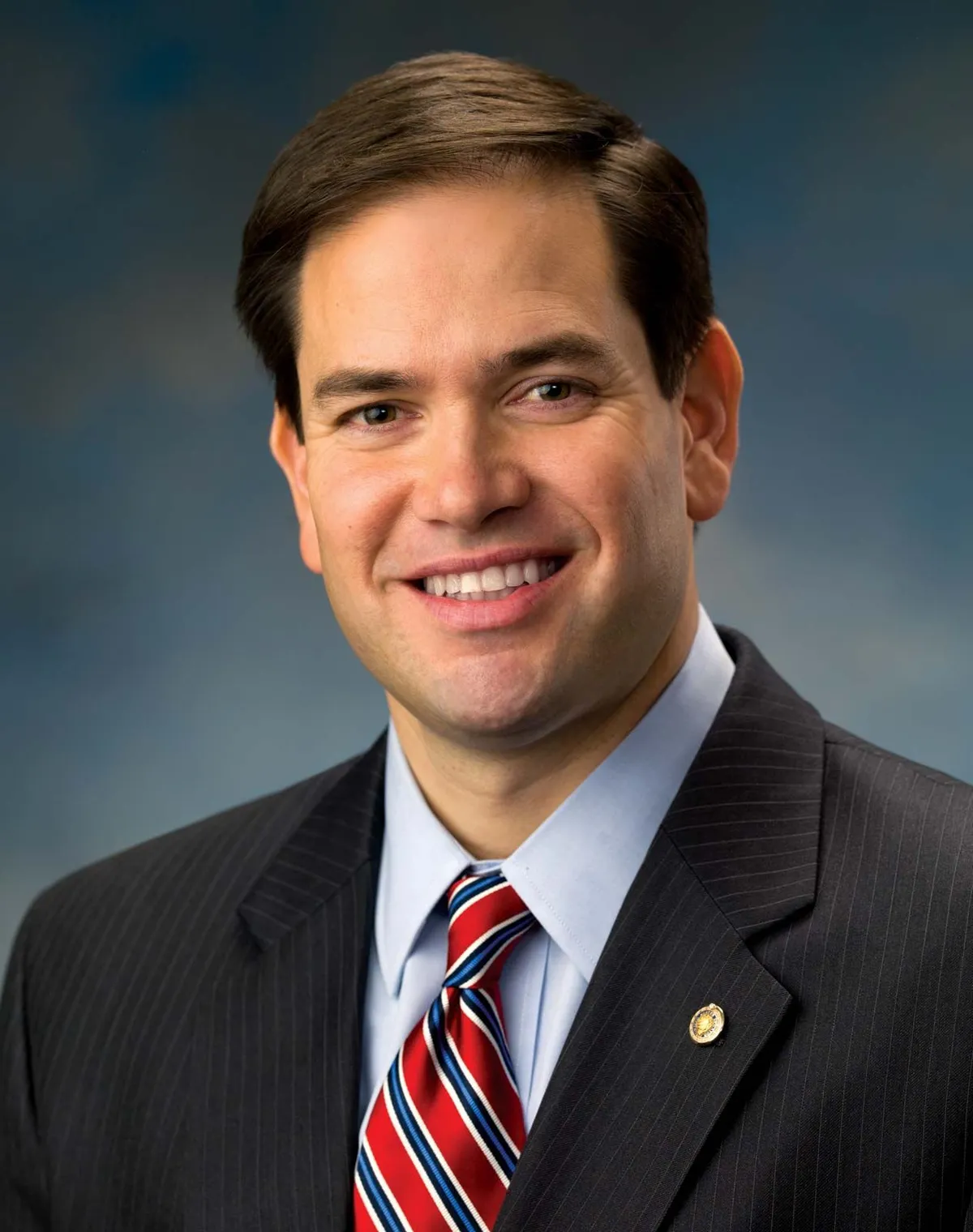
“The church’s mission is to preach the Gospel and peace,” stated Pope Leo, setting a solemn tone for Marco Rubio’s upcoming meeting. This private audience on May 7, 2026, comes at a time when tensions between the Trump administration and the Vatican are palpable—particularly regarding foreign policy matters.
Rubio, currently serving as U.S. Secretary of State, has downplayed the rift between President Trump and Pope Leo over contentious issues like Iran’s nuclear ambitions. Recently, Trump publicly accused Pope Leo of supporting Iran’s nuclear weapons program, a claim that has stirred significant backlash.
In light of these accusations, Rubio emphasized that “most people cannot understand why anyone would think that it’s a good idea for Iran to ever have a nuclear weapon.” His comments reflect a cautious tone regarding negotiations with Iran, which he is expected to address during his visit.
Key discussion points for Rubio’s meeting:
- Advancing bilateral relations between the U.S. and the Vatican
- Addressing Middle East policy concerns
- Discussing strategies against Iran’s nuclear ambitions
The backdrop of this meeting is particularly significant. Average fuel prices in the U.S. have risen sharply, now standing at $4.48 per gallon—up from just under $3.17 last year. Rubio pointed out that despite these increases, the U.S. remains fortunate as a net exporter of oil.
As this diplomatic engagement unfolds, Cardinal Pietro Parolin remarked, “We understand that not everyone is on the same page; but let’s say that this is the pope’s response.” The dialogue between these powerful figures may shape future U.S.-Vatican relations as they navigate complex geopolitical landscapes.
Rubio’s visit will not only be about addressing immediate concerns but also about fostering long-term cooperation on shared values—especially in light of Pope Leo’s commitment to peace amidst global unrest.