Introduction
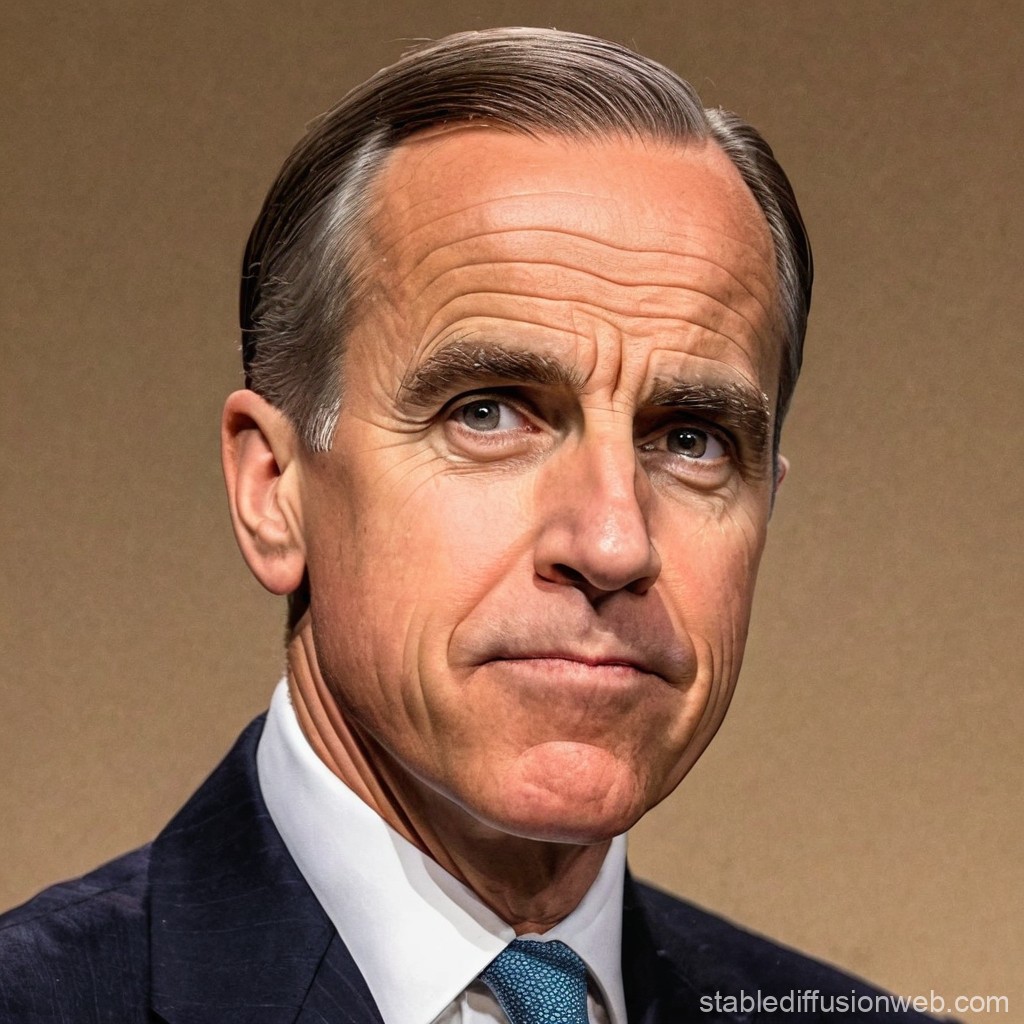
Mark Carney, a Canadian economist and banker, has played a pivotal role in shaping global finance and promoting sustainable economic practices. As the former Governor of the Bank of Canada and the Bank of England, Carney’s influence extends beyond traditional banking, making him a central figure in discussions about climate change, financial regulation, and the future of the global economy. Understanding his contributions offers insights into the evolving financial landscape and the pressing need for sustainable development.
Career Highlights
Mark Carney’s career began at Goldman Sachs in 1988, where he worked for over a decade before transitioning into public service. In 2008, he was appointed Governor of the Bank of Canada amidst the global financial crisis, where he earned a reputation for his strong leadership. Later, in 2013, Carney took up the role of Governor of the Bank of England, making history as the first non-British citizen to hold this position.
During his time at the Bank of England, Carney implemented several key reforms. He played a key role in executive measures that enhanced financial stability, introduced the UK’s first stress tests for banks, and was a vocal advocate for responsible banking practices. His stewardship was vital during Brexit negotiations, where he worked to mitigate economic uncertainty faced by the UK.
Sustainability Initiatives
Beyond traditional banking, Carney has emerged as a leading advocate for sustainable finance. He initiated the Task Force on Climate-related Financial Disclosures (TCFD) in 2015, which encourages companies to disclose climate-related risks. This initiative has gained momentum in the financial community, helping investors make informed decisions regarding sustainability.
In 2020, after leaving the Bank of England, Carney became the UN Special Envoy on Climate Action and Finance, highlighting his commitment to integrating climate change into the financial system. His focus centres on ensuring that financial institutions consider sustainability as a core component of their operations.
Conclusion
Mark Carney’s extensive influence on both global finance and sustainability initiatives shapes the current dialogue on economic resilience in the face of climate change. As nations grapple with the dual challenges of economic recovery and environmental sustainability, his efforts emphasise the importance of integrating climate considerations into financial practices. For readers, understanding Carney’s work reveals not just the importance of effective financial governance, but also the critical role that sustainable practices must play in future economic policies. Looking ahead, Carney’s initiatives could serve as a blueprint for other nations striving to balance economic growth with environmental stewardship.