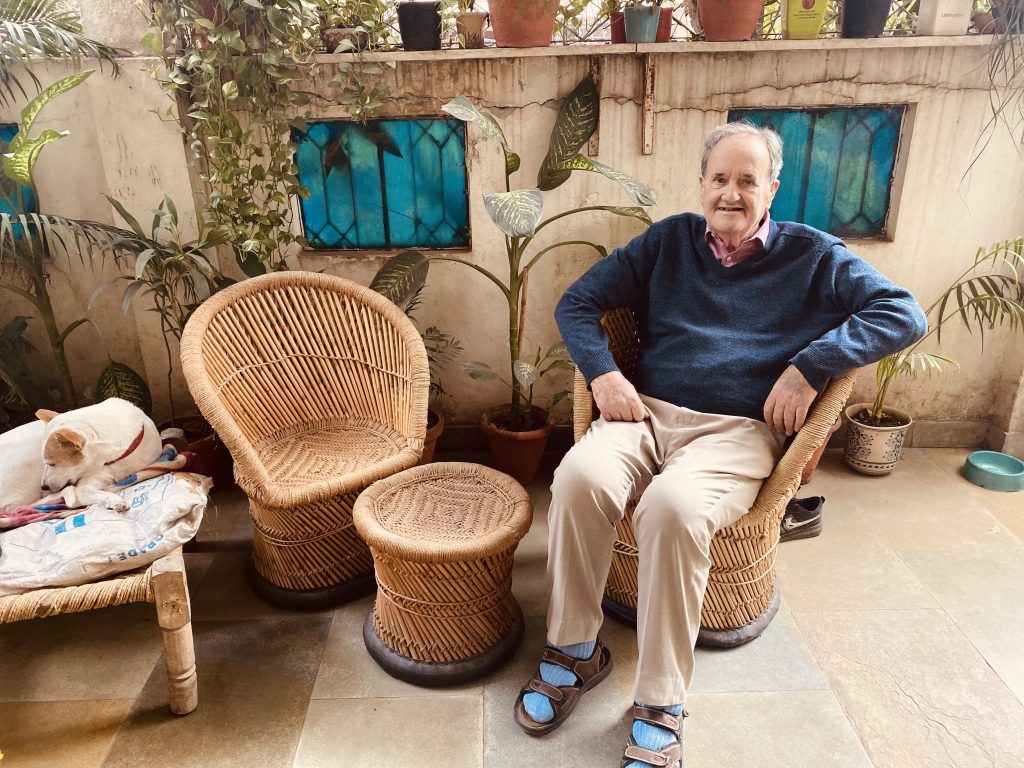
Introduction
Mark Tully, a prominent journalist and author, is best known for his extensive work in broadcasting with the BBC. His reporting, particularly from India, has made him a significant figure in the field of journalism. Tully’s voice resonates in the realm of news and literature, offering audiences unique insights into the complexities of Indian society. As the world continues to grapple with changing narratives in media, Tully’s contributions remain particularly relevant.
Career Highlights
Tully began his career with the BBC in 1965, covering various stories in India. His deep understanding of the country, gained through years of living there, allowed him to report not just on events but the cultural undercurrents shaping them. His reporting brought attention to issues such as the Bhopal disaster and the ongoing conflicts in Kashmir, showcasing his ability to engage with difficult subjects.
In the 1990s, Tully transitioned from journalist to author, publishing several books that depict his experiences and reflections on life in India. His works, such as No Full Stops in India and India in Slow Motion, have been well received, providing readers with a nuanced portrait of Indian culture and struggles. Tully’s eloquence and storytelling have garnered a devoted readership, interested in insights not frequently presented in mainstream media.
Recent Developments
As of 2023, Mark Tully continues to be a relevant voice in journalism. He features on various platforms discussing current affairs, political dynamics, and the evolving media landscape. His recent commentary on the impact of social media on journalism has raised questions about credibility and narrative framing in news reporting. Tully argues that while social media provides a platform for diverse voices, it also poses challenges regarding misinformation and the dilution of factual reporting.
Conclusion
Mark Tully’s lifelong dedication to journalism is a testament to the vital role reporters play in shaping public discourse. As he continues to navigate the complexities of modern media, his insights will undoubtedly influence both seasoned journalists and aspiring writers alike. For readers, Tully’s works not only offer historical and cultural context but also serve as a reminder of the importance of integrity and depth in reporting. Looking forward, Tully’s legacy is secure as he remains an enduring figure in the ever-evolving narrative of global journalism.