How it unfolded
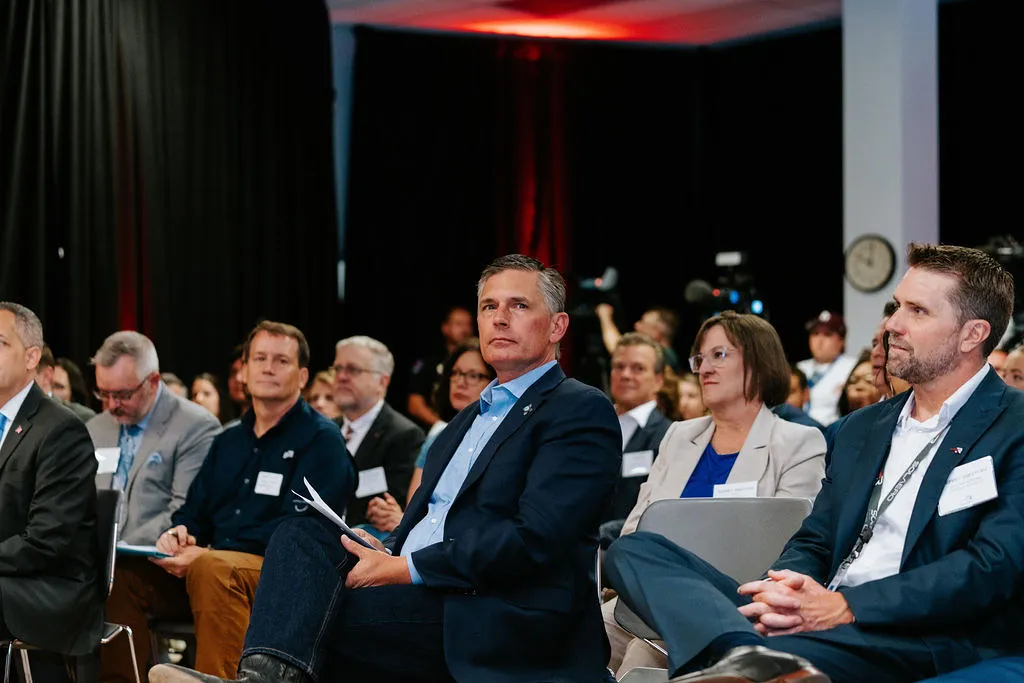
On March 23, 2026, in Washington, D.C., Senator Martin Heinrich made headlines with his decision to support the confirmation of Markwayne Mullin as Secretary of Homeland Security. This move comes amidst a backdrop of intense political maneuvering and ongoing debates about voting rights, particularly concerning the controversial SAVE Act.
Heinrich’s support for Mullin is notable given their history of collaboration. The senator has previously worked alongside Mullin on various legislative initiatives, indicating a level of trust and camaraderie that may surprise some observers. “This is going to surprise some people, but I consider Markwayne Mullin a friend,” Heinrich stated, emphasizing the personal rapport that underpins their professional relationship.
However, Heinrich’s political stance is not without its contradictions. While he supports Mullin, he has been vocally critical of the SAVE Act, which aims to require proof of citizenship for voter registration. Heinrich has labeled the legislation as a form of voter suppression, arguing that it disproportionately disenfranchises rural voters, veterans, and women who may have taken their husband’s last names. “The SAVE Act does not save anyone from anything. It does not protect our freedoms,” he asserted, highlighting the potential negative impact of such legislation on democratic participation.
In a roundtable discussion focused on the threats to voting rights posed by the Trump administration, Heinrich reiterated his commitment to ensuring equitable access to the ballot box. He argued, “All American citizens should have the same right to vote as the Senators in this room,” reinforcing his belief in universal voting rights.
As the confirmation vote approaches, the political landscape continues to shift. Notably, Senator Ben Ray Luján has announced his intention to vote against Mullin’s confirmation, signaling a divide among Democrats regarding the nomination. This division underscores the complexities of party dynamics and the varying perspectives on key issues such as voting rights and immigration policy.
Heinrich’s previous votes also reflect his nuanced approach to political alliances. In January 2025, he supported Doug Burgum’s nomination to lead the Interior Department, showcasing his willingness to collaborate across party lines when he believes it serves the greater good. This pattern of behavior suggests that Heinrich is strategically positioning himself as a bipartisan player, capable of navigating the intricacies of Senate politics.
As the situation develops, the implications of Heinrich’s support for Mullin and his opposition to the SAVE Act will be closely monitored. His actions could influence the broader conversation around voting rights and the future of the Democratic Party’s stance on such critical issues. The outcome of Mullin’s confirmation could also set a precedent for how future nominations are handled amidst a polarized political climate.
In summary, Martin Heinrich’s recent political maneuvers reflect a complex interplay of friendship, legislative collaboration, and a staunch defense of voting rights. As the Senate prepares to vote on Mullin’s confirmation, the stakes are high, and the implications of these decisions will resonate well beyond the halls of Congress.