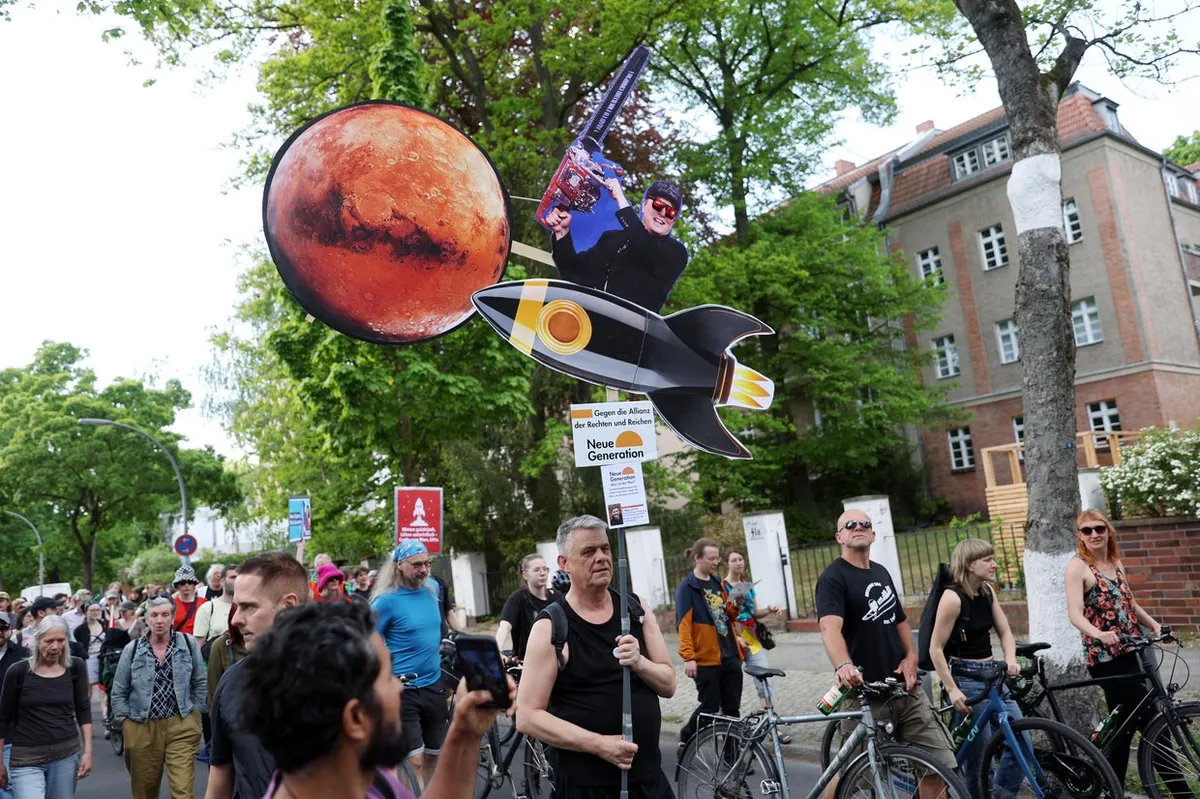
On May 1, 2026, thousands are expected to join an economic blackout across the United States for International Workers’ Day, demanding ‘no school, no work, no shopping.’ This year’s protests aim to address rising living costs exacerbated by the ongoing Iran war and highlight issues surrounding workers’ rights.
May Day, or International Workers’ Day, traces back more than a century to a pivotal period in U.S. labor history. It has evolved into a significant platform for various movements—particularly since 2006, when immigration policies took center stage. Activists now unite under the May Day Strong coalition, which includes labor unions and immigrant rights groups.
Key facts about the protests:
- Protests are planned across the United States, including 35 events in Michigan.
- The May Day Strong coalition is organizing around 3,500 events nationwide.
- Teachers’ unions in North Carolina have given educators the day off to participate in these protests.
Statements from key figures reflect the urgency of this movement. The European Trade Union Confederation stated, “Working people refuse to pay the price for Donald Trump’s war in the Middle East.” Leah Greenberg of Indivisible emphasized empowerment by saying, “We are asking people to take a step into further exerting their power in all aspects of their lives – as workers, as students…”
As May Day approaches, observers note that the focus on economic justice aligns with broader themes of social equity. Stacy Davis Gates, president of the Chicago Teachers Union, remarked on educators’ responsibilities: “As educators, we feel a very real accountability to the young people in the families that we serve.” With rising inflation and ongoing conflicts impacting daily lives, this year’s protests resonate deeply.
The next few days will be crucial as activists prepare for their demonstrations. While specific outcomes remain uncertain—what policies might emerge or how public sentiment may shift—one thing is clear: May Day continues to be a vital moment for collective action.