Introduction
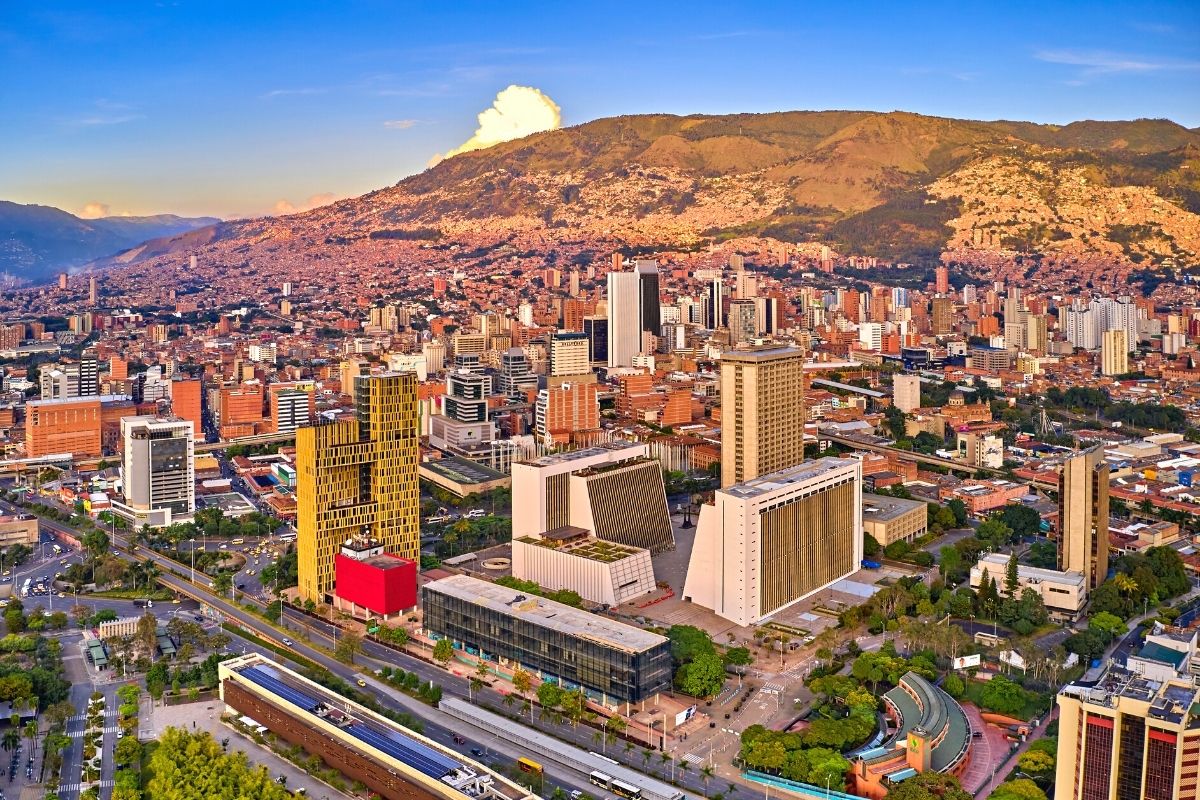
Medellín, the second-largest city in Colombia, has undergone a remarkable transformation over the past few decades. Once notorious for its association with drug cartels and violence, the city has become a symbol of innovation and resilience. Today, Medellín is celebrated for its commitment to social progress, urban development, and cultural richness, making it a captivating destination for both tourists and scholars alike.
The Transformation of Medellín
In the early 1990s, Medellín gained worldwide notoriety due to the activities of Pablo Escobar and the Medellín Cartel. However, in the years that followed Escobar’s death in 1993, the city initiated significant efforts to rehabilitate its public image. Government initiatives focused on improving education, infrastructure, and public spaces, catalysing a positive shift in the city’s fortunes.
One of the standout projects is the Metrocable, a cable car system that connects the city with its peripheral slums, providing residents with better access to city services and employment opportunities. This project has been pivotal in integrating marginalized communities into the urban fabric, and it has even garnered international attention as a model for urban transportation.
Cultural Richness
Beyond its urban renewal, Medellín boasts a rich cultural scene. The city is renowned for its vibrant festivals, such as the Feria de las Flores, which showcases the region’s floral heritage and has become an important event in Colombia’s cultural calendar. Additionally, Medellín is home to various museums, including the Museum of Antioquia, which houses works by the famous Colombian artist Fernando Botero, known for his distinctive style and curvaceous figures.
Furthermore, the city’s annual International Festival of Poetry draws poets and literature lovers from around the world, reinforcing Medellín’s status as a cultural hub.
Challenges Ahead
Despite its progress, Medellín faces challenges. Issues such as inequality and violence persist in certain areas, requiring ongoing efforts to foster social equity. The local government continues to implement policies aimed at addressing these challenges, ensuring that the gains made in urban development are accessible to all citizens.
Conclusion
Medellín serves as a powerful testimony to the potential for transformation in urban environments marked by adversity. By investing in social programs and infrastructure, the city has turned its narrative from one of despair to hope and progress. For visitors and citizens alike, Medellín represents not just a destination but a beacon of resilience and ingenuity.