Introduction
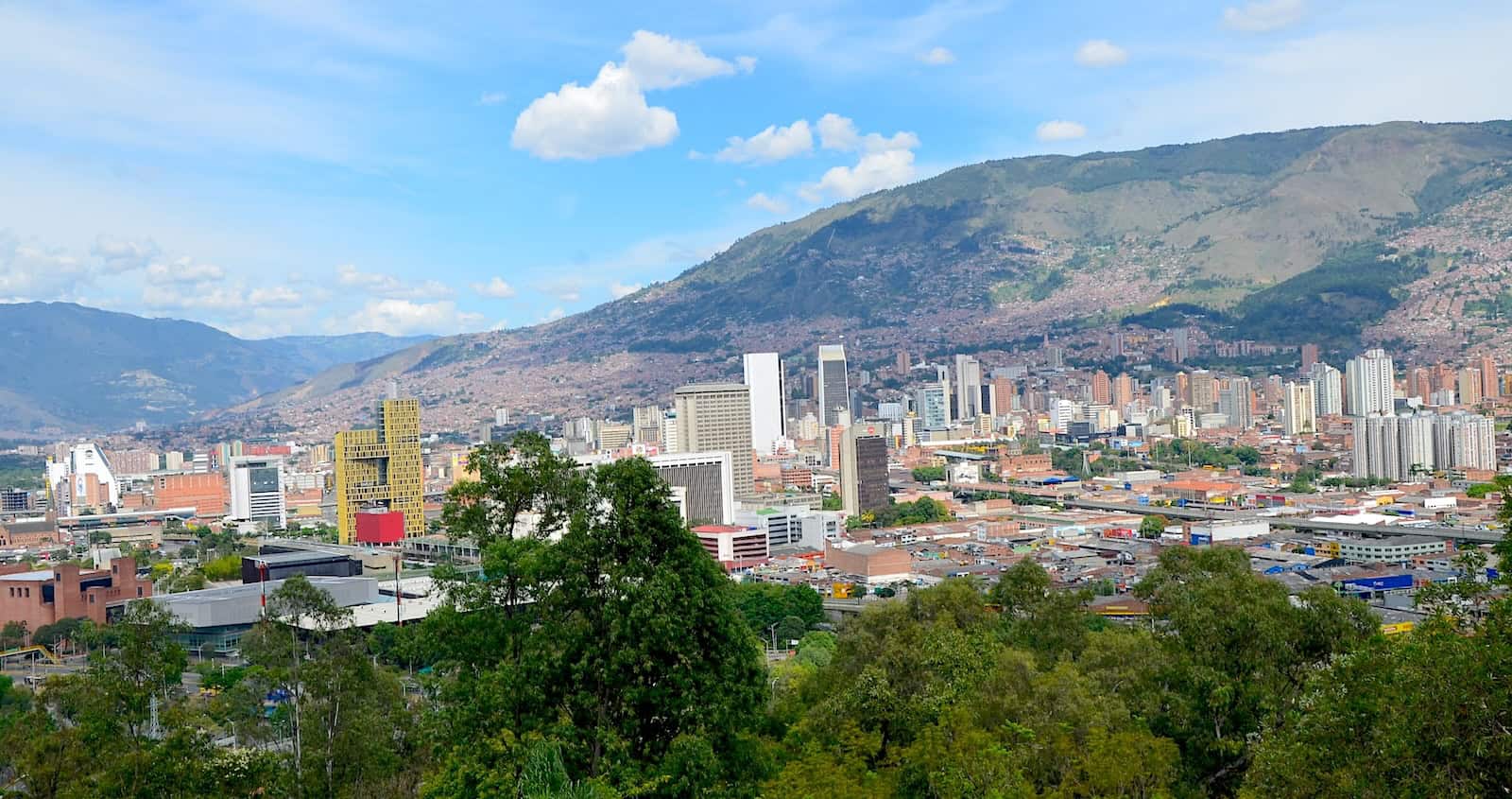
Medellín, once notorious for its drug violence and poverty, has undergone a remarkable transformation over the past few decades. Known as the “City of Eternal Spring,” it is now celebrated for its innovative urban development and thriving cultural scene. This metamorphosis not only alters its image but also enhances the quality of life for its inhabitants, making the topic relevant for urban development enthusiasts and global citizens alike.
The Transformation Story
In the 1980s and early 1990s, Medellín was the epicentre of drug cartels and violence, which led to a drastic decline in safety and quality of life. However, in the years following the demise of Pablo Escobar, the city, supported by local government initiatives and community engagement, embarked on an ambitious mission to reinvent itself.
The introduction of innovative infrastructure projects like the Metrocable, an aerial cable car system, has connected disadvantaged hillside communities to the city centre, significantly enhancing public transport accessibility. Schools have been built in areas previously neglected, and social programmes have been implemented to promote education and public safety. For instance, the “Medellín Innovation District” focuses on fostering technology and innovation, drawing in start-ups and tech companies.
Cultural Resurgence
Alongside urban improvements, Medellín has also blossomed culturally. The city now hosts numerous festivals throughout the year, including the famed Feria de las Flores (Flower Festival), celebrating its rich natural beauty and cultural identity. Additionally, the establishment of cultural centres like the House of Memory embraces the city’s history while fostering a spirit of reconciliation and peace among its citizens.
Art and creativity thrive within the cityscape, with street art embellishing walls and communities actively engaging in artistic expression. Museums such as the Museum of Modern Art and the Botanical Garden offer locals and visitors alike a chance to appreciate the city’s artistic growth.
Conclusion
Medellín’s transformation from a symbol of narco-violence to a model of innovation and resilience illustrates the power of community action and urban planning. As other cities worldwide grapple with similar issues, Medellín serves as a case study in successful recovery and growth. The ongoing efforts to promote inclusive growth, safety, and culture signify that the city aims to not only retain its identity but also to position itself as a beacon of hope and redevelopment. The future appears bright for Medellín, encouraging other urban centres to pursue their own paths of reinvention.