How it unfolded
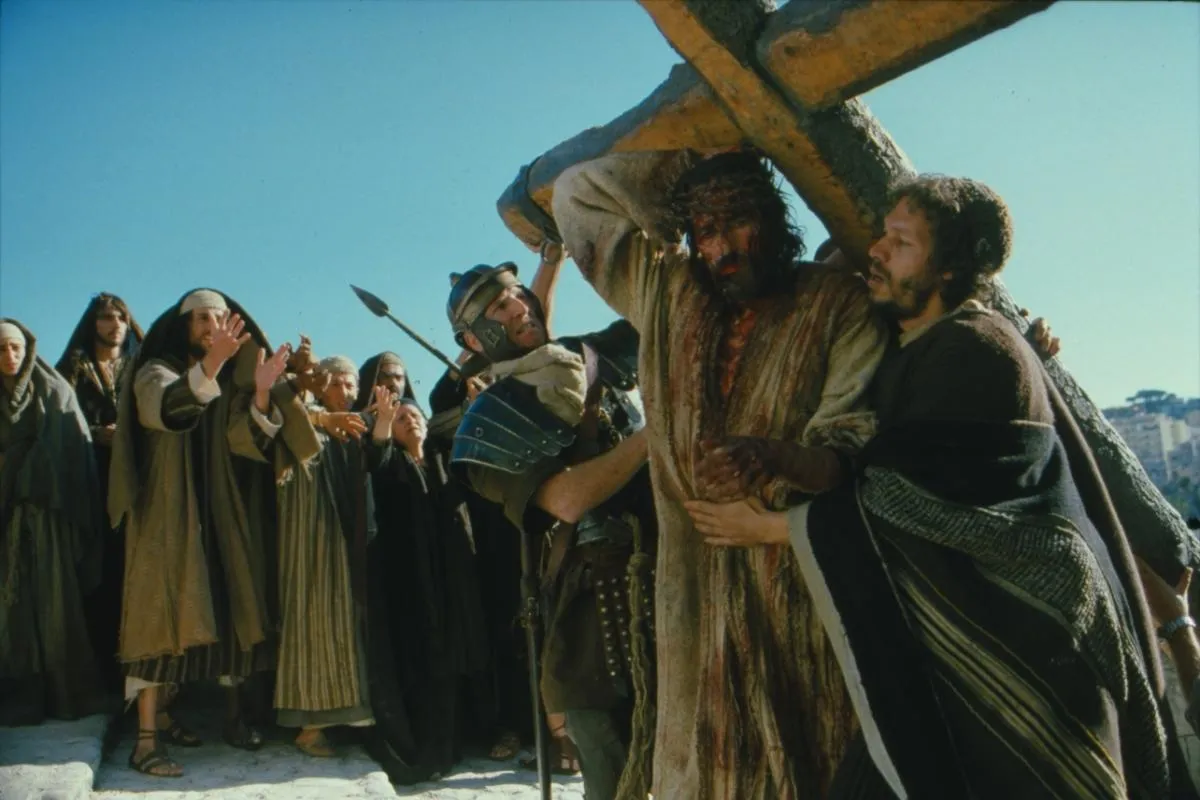
As the film industry continues to evolve, few projects have generated as much anticipation as Mel Gibson’s upcoming films, The Resurrection of the Christ. Following the monumental success of The Passion of the Christ, which earned over $610 million globally since its release in 2004, Gibson is poised to make a significant return to the director’s chair. The announcement that this sequel will be split into two films has only heightened interest among audiences and critics alike.
On October 6, 2025, principal photography commenced at Cinecittà Studios in Rome, marking the beginning of a new chapter in Gibson’s cinematic journey. The films are set to be released in quick succession, with Part One hitting theaters on March 26, 2027, and Part Two following just 40 days later on May 6, 2027. This ambitious timeline reflects Gibson’s commitment to delivering a powerful narrative that resonates with viewers.
In a notable casting shift, Jaakko Ohtonen will portray Jesus, taking over the role from Jim Caviezel, who became synonymous with the character in the original film. Mariela Garriga steps in as Mary Magdalene, replacing Monica Bellucci, while Kasia Smutniak will portray Mary, the mother of Jesus. Riccardo Scamarcio is cast as Pontius Pilate, and Rupert Everett joins the ensemble in an undisclosed role. This fresh cast brings a new dynamic to the story, which is expected to delve deeper into the themes of sacrifice and redemption.
The budget for The Resurrection of the Christ is set at a staggering $100 million, indicating Lionsgate’s confidence in the project. This financial backing suggests that the film will not only aim for box office success but also strive for artistic integrity. Gibson himself has stated that the violence depicted in the film is intended to show the “enormity of that sacrifice” of Christ, a sentiment that echoes the emotional weight of the original film.
As the production progresses, the screenplay is reported to incorporate Aramaic, Hebrew, and Latin, enhancing the historical authenticity that Gibson is known for. This attention to detail is crucial, as it reflects a commitment to portraying the story with the respect and gravity it deserves. Adam Fogelson, a key figure in the project, remarked, “For many, many people across the globe, The Resurrection of the Christ is the most anticipated theatrical event in a generation,” underscoring the cultural significance of this endeavor.
Currently, the film’s trajectory appears promising, with significant buzz surrounding its release. The anticipation is palpable, as audiences eagerly await a narrative that not only revisits a pivotal moment in history but also seeks to explore the deeper implications of faith and sacrifice. The dual release strategy may also serve to keep the momentum alive, allowing viewers to engage with the story in a more profound way.
As we look ahead, the implications of Gibson’s return to religious filmmaking are profound. The original The Passion of the Christ revolutionized the genre, and there is a palpable sense of expectation that The Resurrection of the Christ could do the same. The success of these films could potentially reshape the landscape of religious cinema, influencing future projects and how stories of faith are told on screen. Details remain unconfirmed, but the stakes are undeniably high for all involved.