What observers say
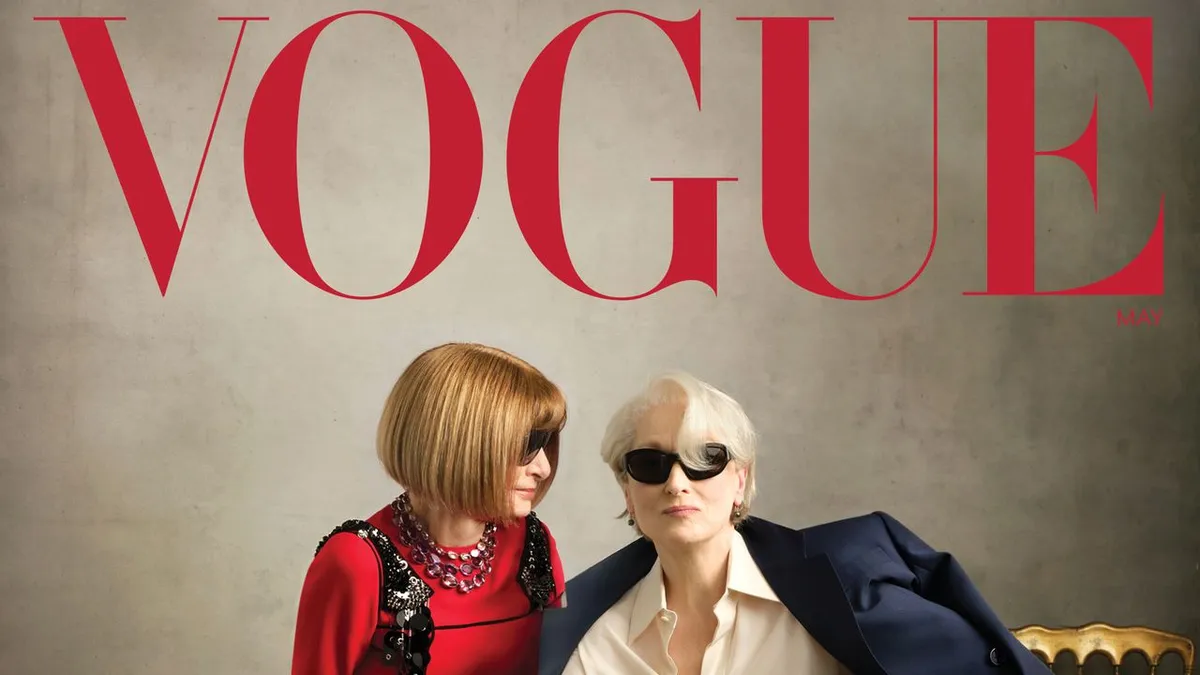
“I think the most…powerful message that our current first lady sent was in the coat that said ‘I Really Don’t Care, Do U?’ when she was going to see migrant children who were incarcerated,” stated Meryl Streep during a recent Vogue interview. This comment, which critiques Melania Trump’s choice of attire during a highly sensitive visit, has reignited discussions about the intersection of fashion and political messaging.
The infamous jacket, worn by Melania Trump in 2018, became a symbol of controversy as she visited a children’s shelter. Critics argued that the message on the jacket was tone-deaf given the circumstances, while supporters claimed it was a statement of independence. Streep’s remarks underscore the significant implications of such fashion choices, especially for public figures.
Streep elaborated on the expectations placed on women in power, saying, “I’m stunned at how women in power have to have bare arms on television while men are covered in shirts and ties or a suit.” This observation highlights a persistent double standard in how male and female leaders are perceived and judged based on their attire. Streep’s comments resonate particularly in an era where women’s fashion choices are often scrutinized more heavily than those of their male counterparts.
In the same interview, Anna Wintour, the former editor-in-chief of American Vogue, offered a more nuanced perspective, stating, “To be fair, Melania Trump also always looks like herself when she dresses.” Wintour’s comments suggest that while Trump’s fashion choices may be controversial, they are also a reflection of her personal style. This raises questions about authenticity and the role of personal branding in the public eye.
Wintour, who held her position at Vogue from 1988 to 2025, has seen firsthand how fashion can influence public perception. She cited Michelle Obama and Rama Duwaji as examples of women who dress powerfully without conforming to traditional expectations, suggesting that there are multiple ways for women to express their identity and authority through fashion.
As Streep prepares for her return to the big screen in “The Devil Wears Prada 2,” set to be released on May 1, 2026, her insights into the fashion industry and its societal implications are particularly timely. Streep reprises her role as Miranda Priestly, a character that has become synonymous with the fashion world and its complexities.
Filmmaker Greta Gerwig, who moderated the interview, remarked, “I can definitely say that from being on set with Meryl, everybody sits up a little straighter when you’re there.” This statement reflects Streep’s commanding presence and the respect she commands in both the film industry and beyond. As discussions about women’s roles in power continue, Streep’s comments serve as a reminder of the ongoing challenges and expectations that female leaders face.
As the conversation around Melania Trump’s fashion choices evolves, it remains to be seen how these discussions will influence public perception of women in power. The interplay between fashion and politics is complex, and Streep’s remarks highlight the importance of understanding the messages conveyed through clothing choices in the public sphere.