Introduction
Michael Carrick is one of the most respected figures in modern football, known for his intelligence on the pitch and his tactical acumen off it. The former professional footballer, who dedicated a significant portion of his career to Manchester United, has transitioned into management and continues to make headlines in the world of football. Understanding Carrick’s journey provides insights into the evolving landscape of professional football, both as a player and a coach.
Playing Career
Born on July 28, 1981, in Wallsend, England, Carrick began his youth career at West Ham United before breaking into their first team in 1999. His performances quickly caught the attention of larger clubs, leading to a transfer to Tottenham Hotspur in 2004. However, it was his move to Manchester United in 2006 that catapulted him into the spotlight. Over a decade with the Red Devils, Carrick won numerous accolades, including five Premier League titles and the UEFA Champions League in 2008. His playing style, characterised by precise passing and a commanding presence in midfield, earned him cap recognition and respect from teammates and opponents alike.
Transition to Management
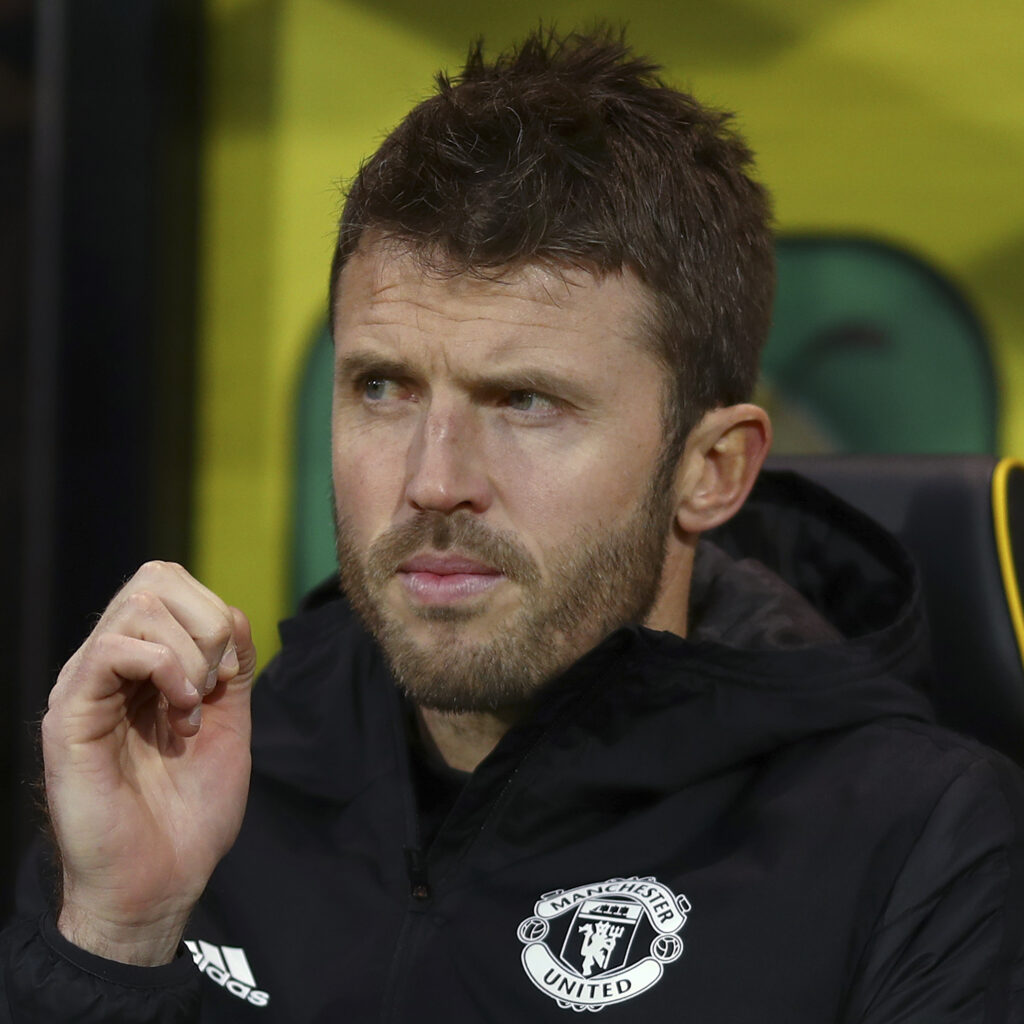
After retiring from professional play in 2018, Carrick took on coaching roles, starting as an assistant manager at Manchester United. His notable breakthrough came in November 2021, when he was appointed as the caretaker manager following the sacking of Ole Gunnar Solskjaer. In his brief stint, he made an immediate impact, working to instil discipline and a sense of unity within the squad, which had been underperforming significantly.
Current Developments
As of now, Carrick has been appointed as the head coach of Middlesbrough FC, taking charge in October 2022. His challenge is to lead the team to success in the EFL Championship, indicating a new chapter in his management career. Early indicators show that his style continues to reflect the principles he adhered to as a player, focusing on teamwork, strategic thinking, and player development.
Conclusion
Michael Carrick’s contributions to football extend beyond his remarkable playing career. As he embraces his role as a manager, his journey is emblematic of the growth and evolution of traditional roles within the sport. For fans and aspiring footballers alike, Carrick represents the prospect of a successful transition from player to coach. As he continues to navigate the managerial landscape, individuals can look forward to witnessing his growth and achievements within the football community.