Introduction
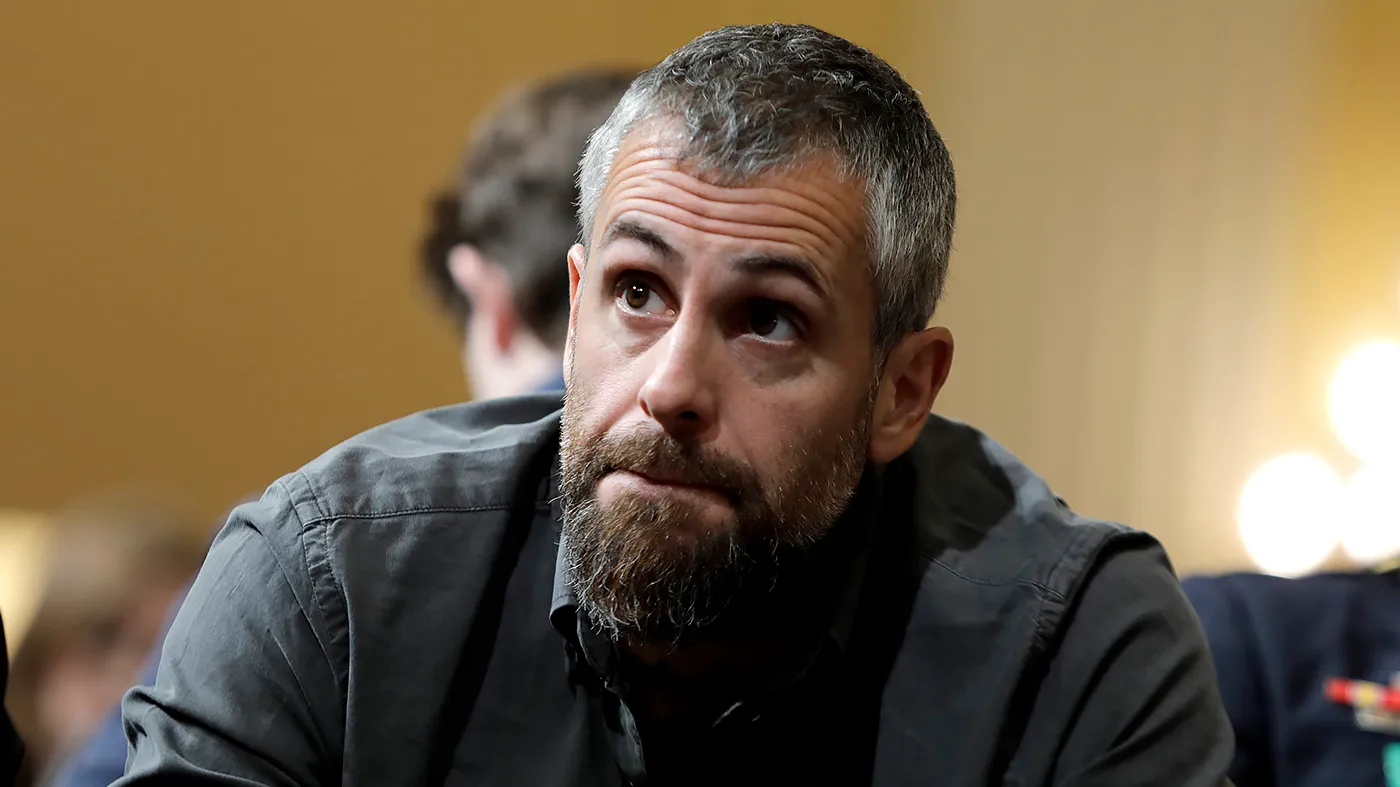
Michael Fanone, a former Washington D.C. police officer, has become a prominent figure following the January 6 Capitol riots. His emotional testimony before Congress captivated the nation, highlighting the harsh realities faced by law enforcement during the violent insurrection. As discussions around police reform and accountability continue, Fanone’s experiences have become increasingly relevant, drawing attention to the challenges and dangers faced by officers in a politically charged environment.
The Capitol Riot and Fanone’s Experience
On January 6, 2021, Michael Fanone was among the officers who responded to the Capitol as rioters attempted to overturn the results of the 2020 presidential election. Fanone suffered serious injuries during the confrontation, including a traumatic brain injury and a dislocated shoulder. His harrowing account of being dragged into the mob and pleading for his life has become a focal point in discussions regarding the event. Through his testimony, Fanone brought to light not just his personal ordeal but also the broader implications of violent extremism faced by law enforcement officials.
Congressional Testimony and Public Reaction
Fanone testified before the House Select Committee investigating the January 6 events, calling on Congress to unite against political violence. His plea for increased support for officers and the urgent need for accountability resonated with many, prompting discussions on the need for reform not only in law enforcement but also in how political rhetoric affects public safety. His unique perspective as a police officer who faced the mob head-on established him as a credible voice in the ongoing debate over policing in America.
Future Significance and Conclusion
As the nation grapples with multiple high-profile cases of police violence and the push for reform, Michael Fanone’s story underscores the need for dialogue and understanding between law enforcement and the communities they serve. His willingness to speak out continues to influence public discourse on safety, accountability, and the impact of political division on law enforcement. Looking ahead, Fanone’s narrative may serve as a catalyst for change, motivating both lawmakers and citizens to address the complexities of policing in today’s America.