The recent nomination of Eli Savit as the Democratic candidate for Michigan Attorney General raises a critical question: What does this mean for the future of Michigan’s legal landscape? The answer is multifaceted.
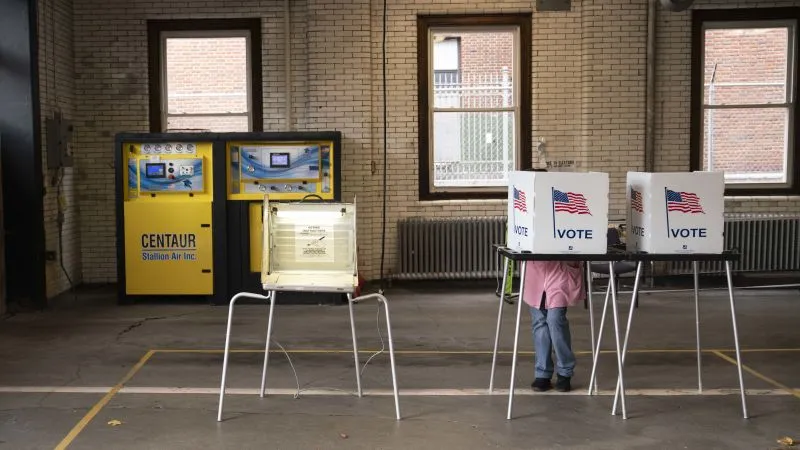
Savit, who emerged from a competitive endorsement convention in Detroit, will face off against Republican nominee Doug Lloyd. This election marks a pivotal moment, particularly given the backdrop of ongoing controversies surrounding election integrity.
Current Attorney General Dana Nessel has been at the forefront of these debates. She recently rejected a request from the U.S. Justice Department for ballots from the 2024 election—citing baseless claims of widespread voter fraud. “Free and fair elections are the cornerstone of our democracy,” Nessel emphasized, underscoring her commitment to safeguarding electoral processes.
Her assertion that there is no evidence of widespread fraud in Michigan is backed by various analyses and reports. Yet, the DOJ’s interest in allegations stemming from Wayne County complicates matters, suggesting deeper tensions within electoral politics.
Interestingly, Karen McDonald was also considered for the Democratic nomination, reflecting a dynamic political landscape within the party. Her absence from the final candidacy underscores Savit’s rising influence.
As the campaign unfolds, questions linger about how Savit will position himself against Lloyd—who represents a contrasting approach to law and order. Will he align closely with Nessel’s policies or carve out his own path?
Still, uncertainties abound regarding voter sentiment. With both candidates mobilizing their bases, turnout will be crucial in determining who prevails in November.
In this charged atmosphere, every statement carries weight. For instance, Nessel’s dismissal of speculative evidence of election fraud reflects not only her legal stance but also her political strategy—aiming to rally support around transparency.
The implications of this election extend beyond mere party lines; they touch on fundamental issues about democracy and justice in Michigan. As voters prepare to make their choice, they must consider what kind of leadership they desire.
What comes next? The campaign trail promises more debates and discussions about these pressing issues—details remain unconfirmed regarding specific strategies each candidate will employ.