Who is involved
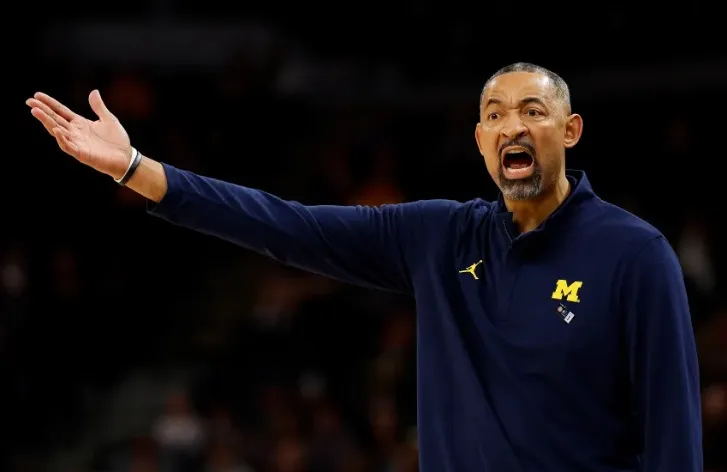
Before Dusty May took the helm as the Michigan basketball coach, expectations were high but tempered by the program’s recent struggles. The Wolverines had a storied history in college basketball, yet they faced challenges in maintaining their elite status. Fans and analysts alike were eager for a turnaround, and May’s hiring in February 2025 was seen as a pivotal moment. With a five-year contract worth $4.6 million for the 2026 season, the stakes were set for a significant transformation.
May’s arrival marked a decisive shift in the program’s trajectory. Just a few years prior, he had led Florida Atlantic University to the Final Four in 2023, showcasing his ability to elevate teams to new heights. This background not only instilled confidence in Michigan’s administration but also in the players who were eager to embrace a new era under his guidance. The immediate impact was evident as the Wolverines made a remarkable run to the Final Four in 2026, a feat that solidified May’s reputation as a top-tier coach.
The effects of this change were profound for all parties involved. For the Michigan Wolverines, reaching the Final Four was a monumental achievement that reignited fan enthusiasm and brought national attention back to the program. Players thrived under May’s leadership, with his unique approach to recruiting and player development. As Roddy Gayle Jr. noted, “I don’t think he really recruits, like, basketball players. He recruits people, humans.” This philosophy fostered a strong team culture, allowing players to flourish both on and off the court.
For Dusty May, the success at Michigan not only validated his coaching methods but also positioned him as a rising star in college basketball. His accolades continued to accumulate, culminating in being named the USBWA National Coach of the Year in 2026. This recognition further solidified his status and opened doors for future opportunities, including lucrative bonuses tied to the team’s performance. May’s contract included a retention bonus structure that rewarded him for continued success, with figures like $250,000 for leading Michigan to an outright Big Ten championship and an additional $300,000 for a national championship berth.
However, the path to success was not without its challenges. May himself expressed moments of self-doubt, stating, “I walk in the room and I started crying and said, ‘I just committed career suicide. I’m not good enough. I can’t do this.’” Such candid reflections highlight the pressures that come with high-profile coaching positions, especially in a program with the legacy of Michigan basketball.
As the Wolverines look to build on their recent success, the future appears bright under May’s leadership. His ability to connect with players and foster a supportive environment has already begun to pay dividends. The presence of his family, including his wife Anna and their three sons, adds a personal touch to his coaching journey, with Anna being a fan of the Ann Arbor community and the University of Michigan.
In a landscape where coaching changes can often lead to instability, Dusty May’s tenure at Michigan represents a refreshing contrast. His approach to building a cohesive team and prioritizing player development sets him apart from many of his contemporaries. As he continues to navigate the pressures of high-stakes college basketball, the Michigan Wolverines are poised to become a formidable force in the coming years.
With a buyout clause of $7 million if he leaves before April 30, 2026, it is clear that both May and the university are committed to a long-term partnership. As they embark on this journey together, the college basketball world will be watching closely to see how Dusty May continues to shape the future of the Michigan Wolverines.