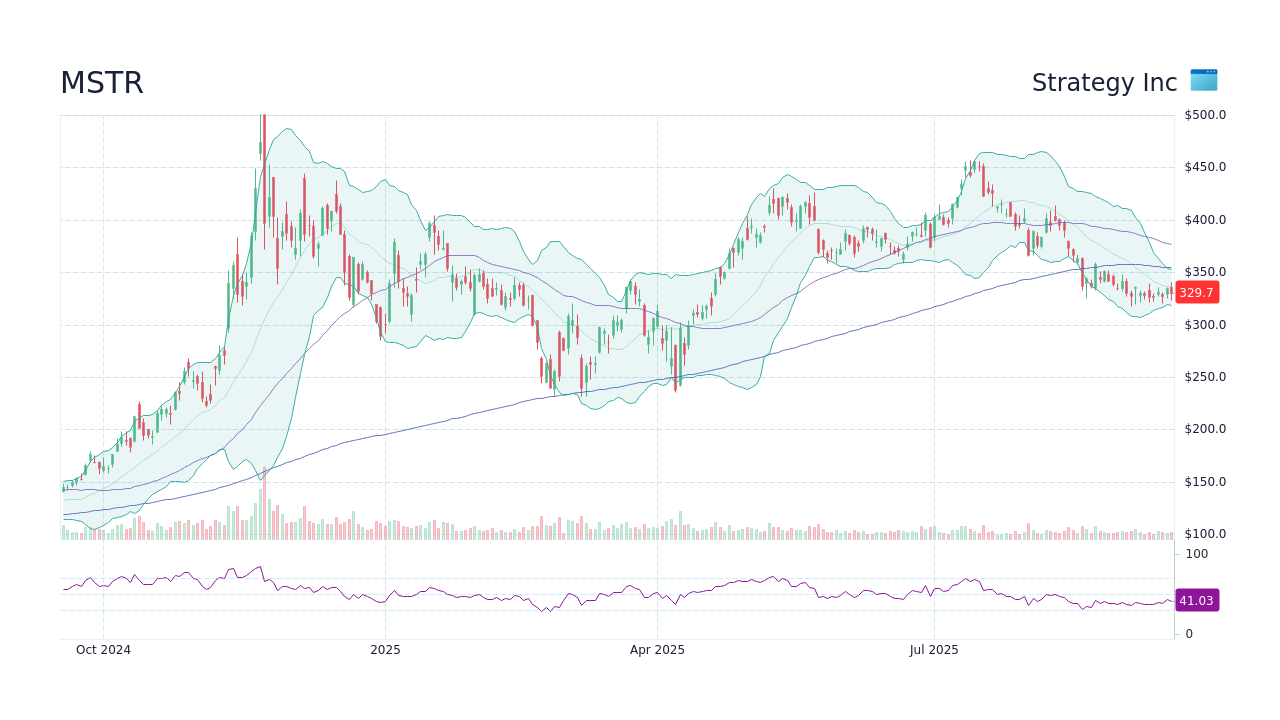
Introduction
MicroStrategy Incorporated (MSTR), a prominent business intelligence firm, has made headlines recently due to its aggressive strategy surrounding Bitcoin investments. Since 2020, MicroStrategy has been on a journey to become a significant player in the cryptocurrency space, largely by adopting Bitcoin as its primary treasury reserve asset. This move has not only reshaped its financial outlook but has also sparked widespread conversations regarding the future of corporate investments in cryptocurrency.
MicroStrategy’s Bitcoin Holdings
As of late 2023, MicroStrategy holds over 150,000 Bitcoin, making it one of the largest corporate holders of the cryptocurrency. The company’s commitment to Bitcoin as an asset class is notable; MicroStrategy has consistently purchased Bitcoin using proceeds from equity offerings and loans. This bold strategy has positioned MicroStrategy uniquely in the market, starkly distinguishing it from traditional companies that shy away from cryptocurrencies. Co-founder and executive chairman Michael Saylor has been a vocal proponent, stating that Bitcoin is a superior store of value compared to cash.
Market Implications
MicroStrategy’s embrace of Bitcoin has broader implications for businesses and the cryptocurrency market. The company’s strategy has encouraged other firms to consider Bitcoin as an alternative treasury asset. In 2023, several publicly traded companies have begun revealing their own Bitcoin holdings, inspired by MicroStrategy’s pioneering efforts. This trend underscores a gradual shift in corporate treasury strategies toward incorporating cryptocurrency as a viable investment.
Challenges and Considerations
Despite the positives, MicroStrategy’s aggressive Bitcoin strategy has not been without challenges. The volatility of Bitcoin’s price poses a risk, potentially impacting the company’s balance sheet and stock performance. Furthermore, the regulatory landscape surrounding cryptocurrencies continues to evolve, creating uncertainty for businesses such as MicroStrategy that are heavily invested in digital assets. However, the firm has managed to navigate these challenges so far, adapting its strategy while advocating for the acceptance of cryptocurrency in traditional finance.
Conclusion
MicroStrategy’s commitment to Bitcoin through its MSTR brand signifies a pivotal moment in the intersection of traditional finance and the emerging cryptocurrency economy. While risks remain, the company’s proactive approach may set a precedent for other corporations contemplating similar investments. As we move further into 2024, it will be interesting to observe how the company’s strategy plays out and whether it will lead to a more widespread acceptance of Bitcoin in corporate treasury management. Investors and industry watchers alike should keep a close eye on MSTR, as its actions could significantly influence market sentiments in the cryptocurrency landscape.