Introduction
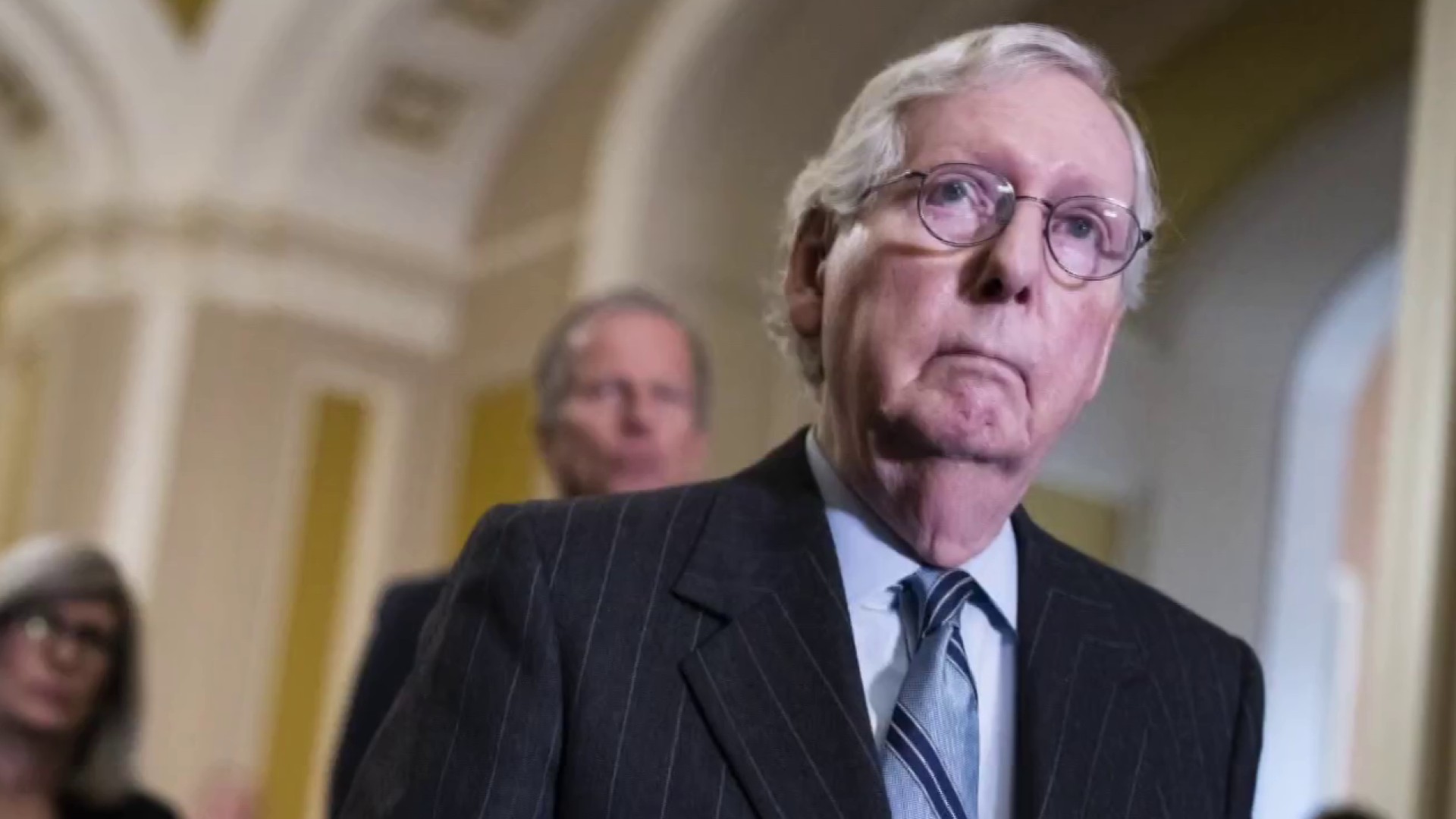
Mitch McConnell, the long-serving Senate Minority Leader, has been a cornerstone of Republican politics for decades. His strategies and decisions have significant implications, not only for the Republican Party but for the entirety of American governance. With the current political climate in flux, understanding his role is crucial for anyone following political developments in the United States.
Key Events in McConnell’s Political Journey
Mitch McConnell has represented Kentucky in the U.S. Senate since 1985, quickly establishing himself as a powerful figure. As the Senate Majority Leader from 2015 to 2021, he was instrumental in shaping and pushing through key legislation, including the tax cuts of 2017 and the confirmation of three Supreme Court justices. His adeptness at party unity and legislative maneuvering has often been credited with maintaining Republican strength despite internal party divisions.
Recent Developments
As of 2023, McConnell remains a pivotal player in Congress, especially as Republicans aim to regain control in upcoming elections. However, his recent health concerns have raised questions about his future in leadership. Following a few public incidents in recent months, there is speculation about his ability to continue fulfilling his duties effectively. During a press briefing this past October, McConnell emphasised his commitment to his role, stating, “I intend to continue leading my party as long as I can serve effectively and represent Kentucky’s interests.”
The Significance of His Leadership
McConnell’s legislative style often contrasts with more progressive elements within his party and the broader Congress. His focus on maintaining a conservative agenda has made him a target for criticism, particularly from Democrats who view his strategies as obstructionist. However, his supporters argue that his actions are critical for providing checks on presidential power, maintaining fiscal conservatism, and advocating for state rights.
Looking Forward
As we approach the 2024 election cycle, McConnell’s influence will undoubtedly continue to shape the Republican Party’s direction. The dynamics within the Senate and the party will be tested. Should McConnell choose to step back or face additional health challenges, it could lead to a significant power shift. Regardless, his legacy in American politics remains substantial. For political analysts and constituents alike, understanding Mitch McConnell’s actions and strategies will be key to navigating the complexities of U.S. governance in the years ahead.