Introduction
The ambitious projects of Neom and Al-Riyadh represent a pivotal stage in Saudi Arabia’s vision for urban transformation and economic diversification. As part of the Kingdom’s Vision 2030 initiative, both locations aim to redefine urban living and boost investment, but they possess distinct characteristics and goals. Understanding their differences is crucial for stakeholders, investors, and citizens as these projects develop in the coming years.
Overview of Neom
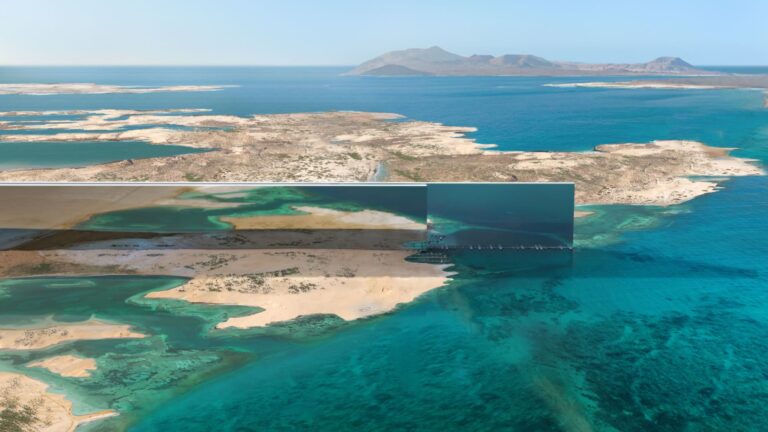
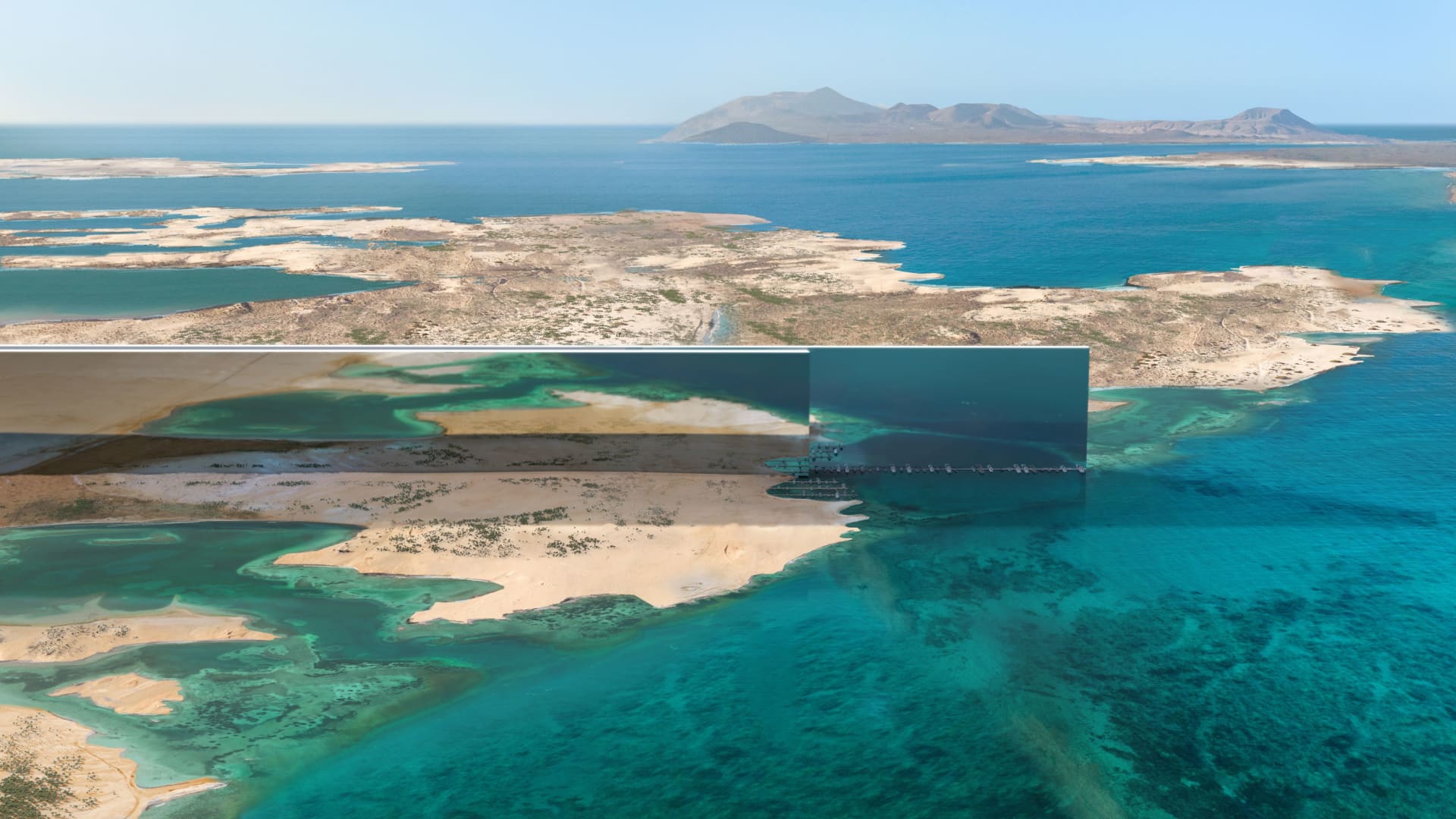
Neom is an ambitious $500 billion mega-city project located in the Tabuk Province along the Red Sea coast. Launched in 2017, it aims to create a technologically advanced and eco-friendly urban ecosystem spanning 26,500 square kilometres. Neom is envisioned as a hub for innovation, featuring smart city technologies, biotechnology, food, and entertainment industries, alongside renewable energy sources. The project emphasizes sustainability and aims to attract global talent and investment with its futuristic amenities and infrastructure.
Al-Riyadh’s Development
In contrast, Al-Riyadh, the capital city of Saudi Arabia, has been undergoing substantial development as part of the Riyadh Development Strategy initiated in 2019. This strategy focuses on expanding the urban landscape of Al-Riyadh, improving infrastructure, and enhancing the quality of life for its residents. Various projects are aimed at transforming Al-Riyadh into a vibrant metropolis with improved transportation, green spaces, and cultural attractions, aiming for a more dynamic urban experience.
Key Comparisons
While both Neom and Al-Riyadh are significant for the Kingdom’s development agenda, they differ in scope and projected impact. Neom is a greenfield project with a focus on high-tech and sustainability, primarily attracting foreign investment. Meanwhile, Al-Riyadh serves as a redevelopment of an existing urban area, concentrating on enhancing civic facilities and amenities for its current population. Furthermore, Neom aims to introduce cutting-edge technologies and lifestyle approaches, while Al-Riyadh evolves from a traditional city into a more modern, accessible urban space.
Conclusion
Investors and stakeholders must consider the unique attributes of Neom and Al-Riyadh as Saudi Arabia continues to navigate its transformation. As both projects progress, they exemplify the Kingdom’s ambition to diversify its economy and create sustainable urban environments. By 2030, both Neom and Al-Riyadh are poised to play vital roles in Saudi Arabia’s positioning on the global stage. Understanding their differences allows observers to appreciate the strategic vision driving these transformative efforts in the region.